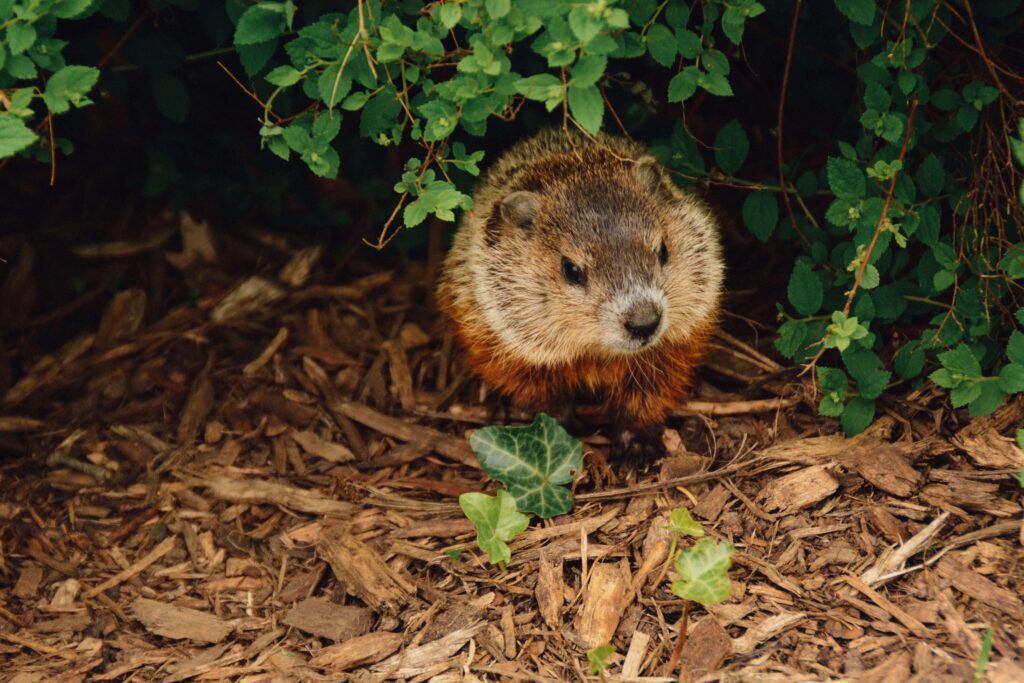
In New Jersey, groundhogs can be a real threat to gardens. Though they look cute, their digging and munching habits can quickly ruin a beautiful yard. Homeowners across the Garden State often find their hard work damaged by these burrowing animals. Here, we’ll look at ways to protect your garden and explore humane, effective removal options.
Groundhogs are particularly active in the spring and summer, when they’re busy feeding and building their burrows. They dig extensive tunnel systems that not only disrupt the landscape but can also weaken soil around foundations, patios, and walkways. For gardeners, the sight of half-eaten vegetables, chewed plants, and overturned soil can be disheartening. Understanding these animals’ behaviors and taking preventive steps can help protect your garden, keeping it lush and healthy despite nearby wildlife.
Key Takeaways
- Their diet and burrowing habits can quickly devastate a garden, consuming plants and destabilizing soil, paths, and even foundations.
- Using buried fences, natural repellents, and keeping your garden free of attractants like food scraps are effective ways to keep groundhogs away.
- Live traps and professional Bergen County wildlife removal services offer safe, humane ways to handle problems in line with local regulations.
- Regularly check for fresh burrows, chewed plants, or loose soil piles, as catching these signs early helps limit damage.
- If groundhogs persist despite prevention efforts or if there’s structural damage, contacting a professional ensures effective and safe removal.
Why Groundhogs are a Problem for Gardens In New Jersey
Groundhogs are a notable problem for New Jersey gardens due to their diet, digging habits, and tendency to create extensive burrow networks. With a natural preference for vegetables, herbs, flowers, and even the roots of plants, a single one can quickly decimate an entire garden, undoing weeks or months of hard work. Beyond eating plants, they dig elaborate tunnel systems with multiple entrances and chambers, disrupting the ground’s stability and undermining garden beds, fences, and building foundations. This burrowing also makes it harder for other plants to take root and grow properly.
New Jersey’s dense residential and garden areas make groundhogs a particular concern, as they are drawn to the abundant food sources found in home gardens and landscapes. Since they are often active during daylight hours, they’re more likely to encounter people and pets, increasing the risk of disease transmission from parasites such as ticks and fleas. For homeowners across the state, groundhog removal is essential to maintaining both property safety and garden health.
Effective Groundhog Removal and Prevention
Protecting your garden from groundhogs doesn’t have to be complicated. Here are some practical ways to keep them at bay:
- Natural Deterrents: Certain plants, such as lavender, mint, and garlic, naturally repel groundhogs. Planting these around your garden can help create a less attractive environment for them.
- Physical Barriers: Fencing is one of the most effective ways to keep groundhogs out of your garden. A sturdy, buried fence can discourage digging underneath. Mesh or wire barriers can also be used around specific plants or garden beds.
- Safe Trapping and Relocation: For those who prefer DIY removal, live traps are an option. Using bait such as vegetables or fruit, these traps can safely capture animals for relocation. However, it’s essential to check New Jersey’s wildlife relocation laws, as regulations vary.
- Routine Inspections: Regularly check for signs of activity, such as burrows, gnaw marks, or droppings. Catching these early makes it easier to address problems before they escalate.
Garden Maintenance and Quick Responses
Keeping your garden safe requires a combination of preventive measures and quick action when they appear. Regular garden inspections help you notice signs of activity early, such as fresh burrows, gnawed plants, or droppings, so you can act before they cause extensive damage. Installing barriers, such as buried wire-mesh fencing several inches underground, can prevent groundhogs from tunneling into your garden. Natural repellents, such as castor oil sprays, garlic, and hot pepper solutions, can also be effective in discouraging them from lingering around your plants. For professional assistance with groundhog issues, consider wildlife removal in Bergen County, NJ.
Removing attractants is equally important. Secure your compost bins and clear away any leftover food, fallen fruit, or rotting vegetables that might tempt groundhogs to stay. Heavy mulching in certain areas can also make digging less appealing to them. By combining these strategies, you can create a garden environment that’s far less attractive, allowing your plants to thrive without constant disturbance. For professional assistance, contact Bergen County wildlife control to safely manage groundhog issues.
When to Call a Professional
If your issue persists, or if you prefer expert help, consider reaching out to a professional service. For residents in New Jersey, Kritter Catchers offers humane and reliable groundhog removal solutions. Contact us for tailored assistance.
With a few proactive steps, New Jersey gardeners can keep their spaces beautiful and groundhog-free. Taking responsible action ensures a balanced relationship between our gardens and the state’s natural wildlife. For expert assistance with removal, contact Kritter Catchers NJ today!
FAQs
Why are groundhogs a problem for gardens in New Jersey?
Their damage gardens by eating a wide range of plants and creating extensive burrows that can destabilize garden beds, sidewalks, and even building foundations. They may also carry parasites harmful to people and pets, making them a significant nuisance.
What are the best methods to prevent groundhogs from entering my garden?
Effective prevention includes installing buried wire fences, using natural repellents like garlic or castor oil sprays, and removing attractants such as fallen fruits or unsecured compost. These steps make gardens less appealing.
Are there humane ways to remove groundhogs from my property?
Yes, humane options include using live traps for relocation or hiring professional wildlife removal services. Just be sure to check New Jersey regulations on relocating captured animals.
How can I tell if a groundhog is active in my garden?
Signs include chewed plants, fresh burrows, dirt mounds, and droppings. Large circular holes surrounded by loose soil usually mark burrow entrances, indicating activity.
When should I call a professional for groundhog removal?
If DIY methods don’t work or if they are causing significant damage, it’s best to call us. We have the expertise to safely remove and prevent them from returning.
Other related blogs:
Groundhog Control 101: Trapping Tips for NJ Homeowners