Are Repellents Effective, or Is Professional Snake Control More Reliable
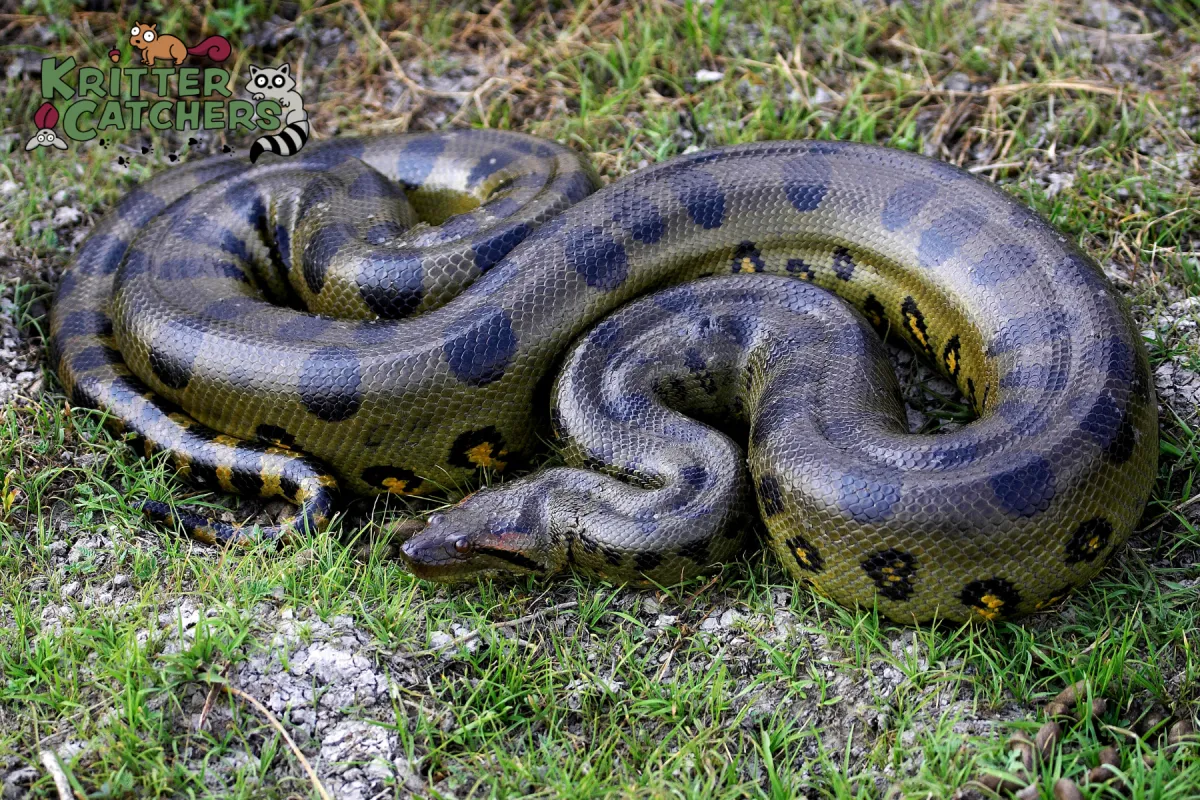
Snake repellents may discourage some snake activity, but their effectiveness can vary by product and situation. Professional snake control is often a more reliable choice
Why Do Opossums Keep Returning to the Same Property After Removal
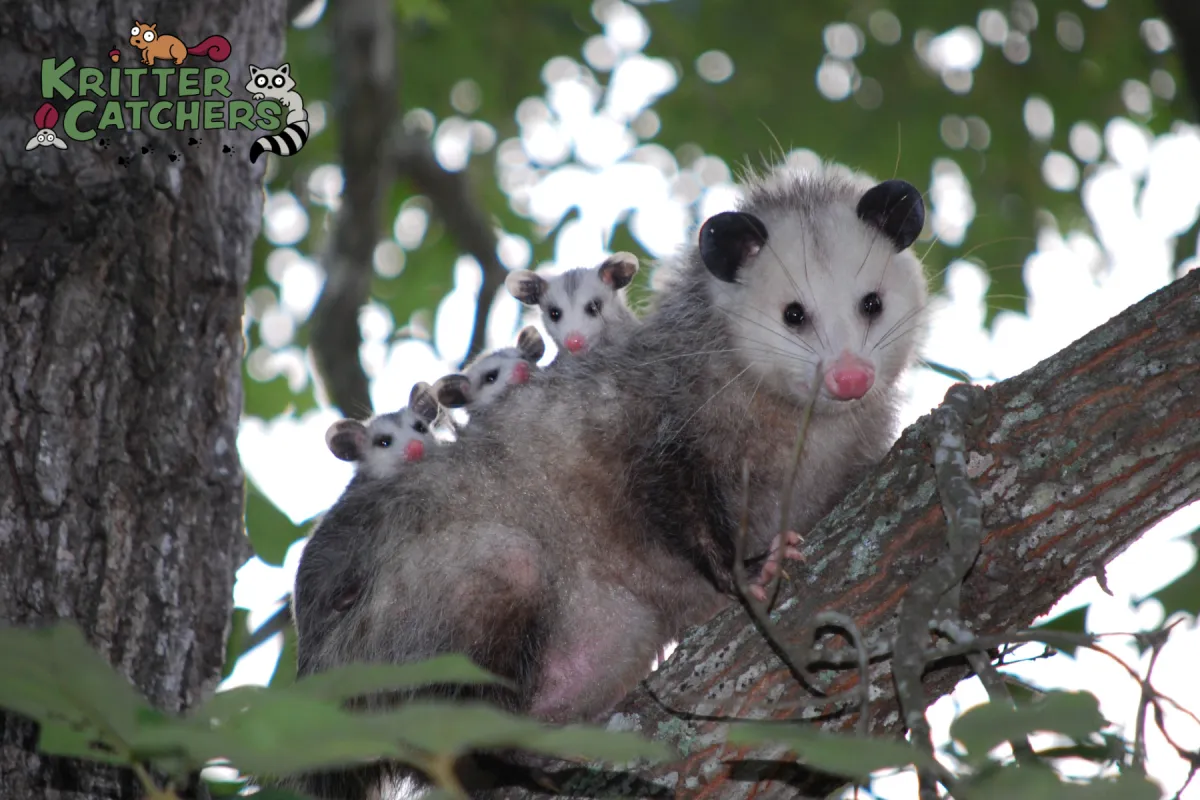
Opossums often return to the same property after removal because food, water, shelter, or easy access remains available. Removing an animal addresses the immediate problem,
How Does Humane Groundhog Removal Work From Trapping to Relocation
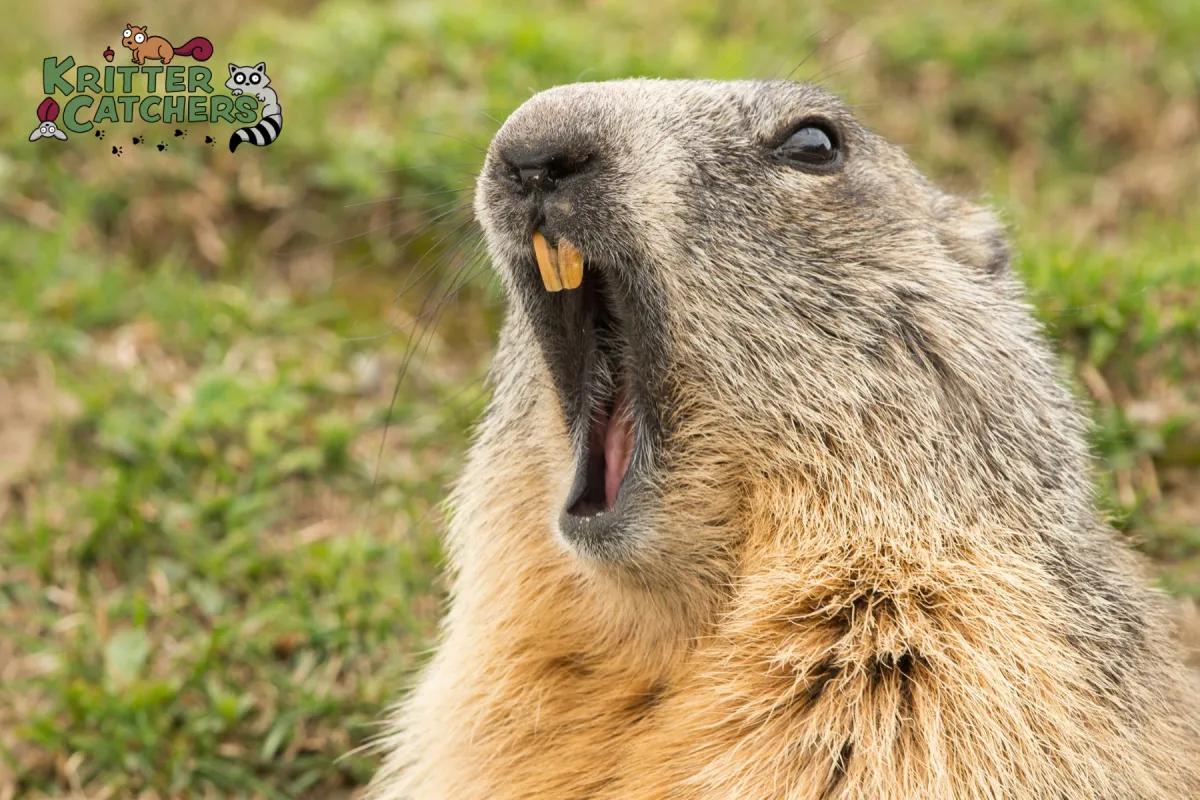
Humane groundhog removal works by conducting a thorough burrow inspection, placing gravity-triggered live wire-cage traps along active travel paths, and utilizing double-door traps or one-way
How Does Bird Control Keep Birds Away Without Harming Them
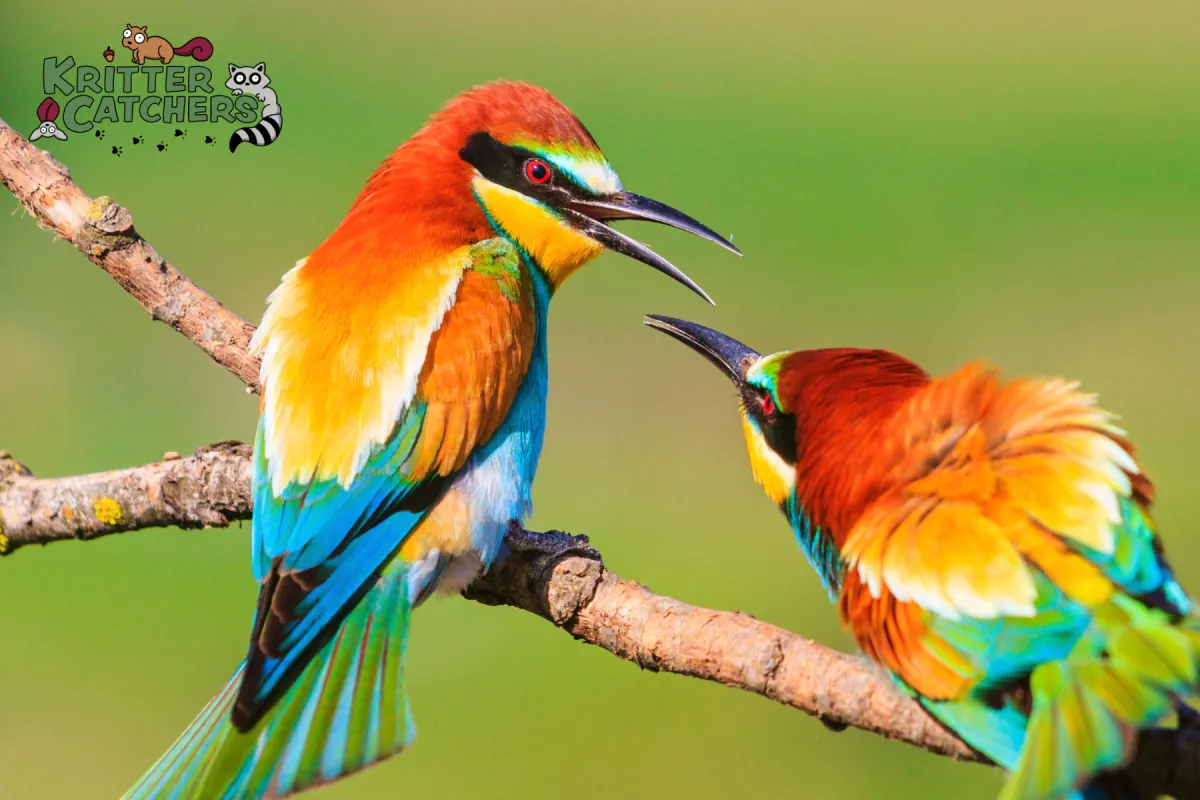
Humane bird control keeps pest birds away without harming them by installing physical barriers, optical deterrents, and acoustic exclusion devices. Systems such as stainless steel
Does Homeowners Insurance Cover Raccoon Damage
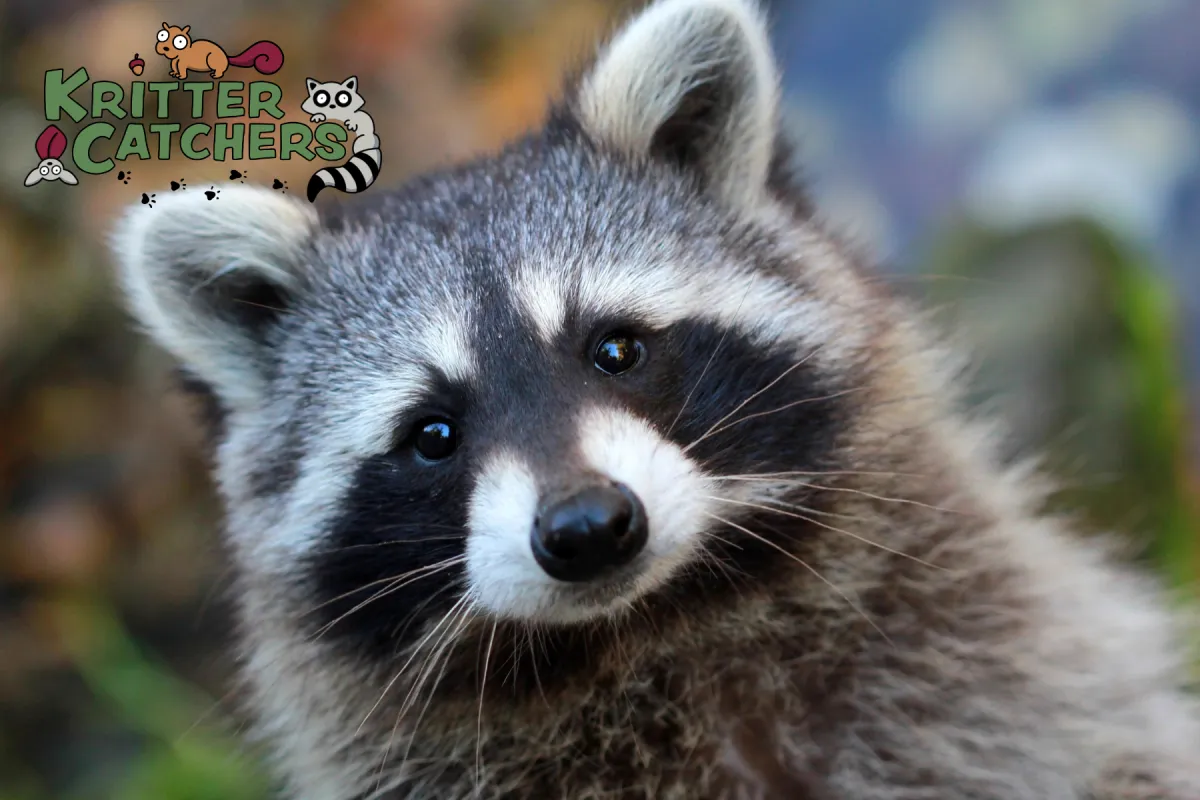
Homeowners insurance in New Jersey generally covers sudden, accidental damage caused by raccoons, such as destroyed attic insulation, chewed electrical wiring, or broken soffits, provided
What a Chimney Cap Replacement Costs (And Why We Look at the Flue First)
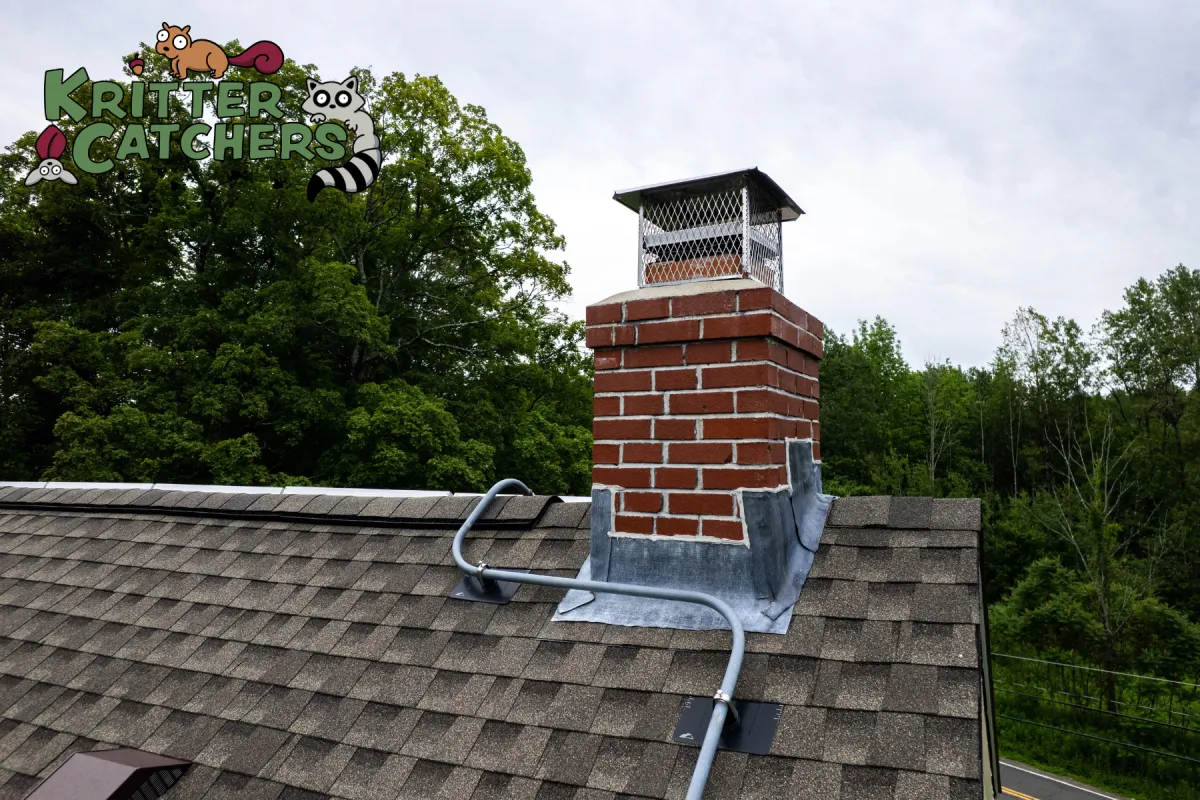
In North Jersey, the cost of chimney cap replacement depends on the type of cap, the size and configuration of the chimney, and how accessible
How Do I Safely Remove a Groundhog From My Yard Without Harming It
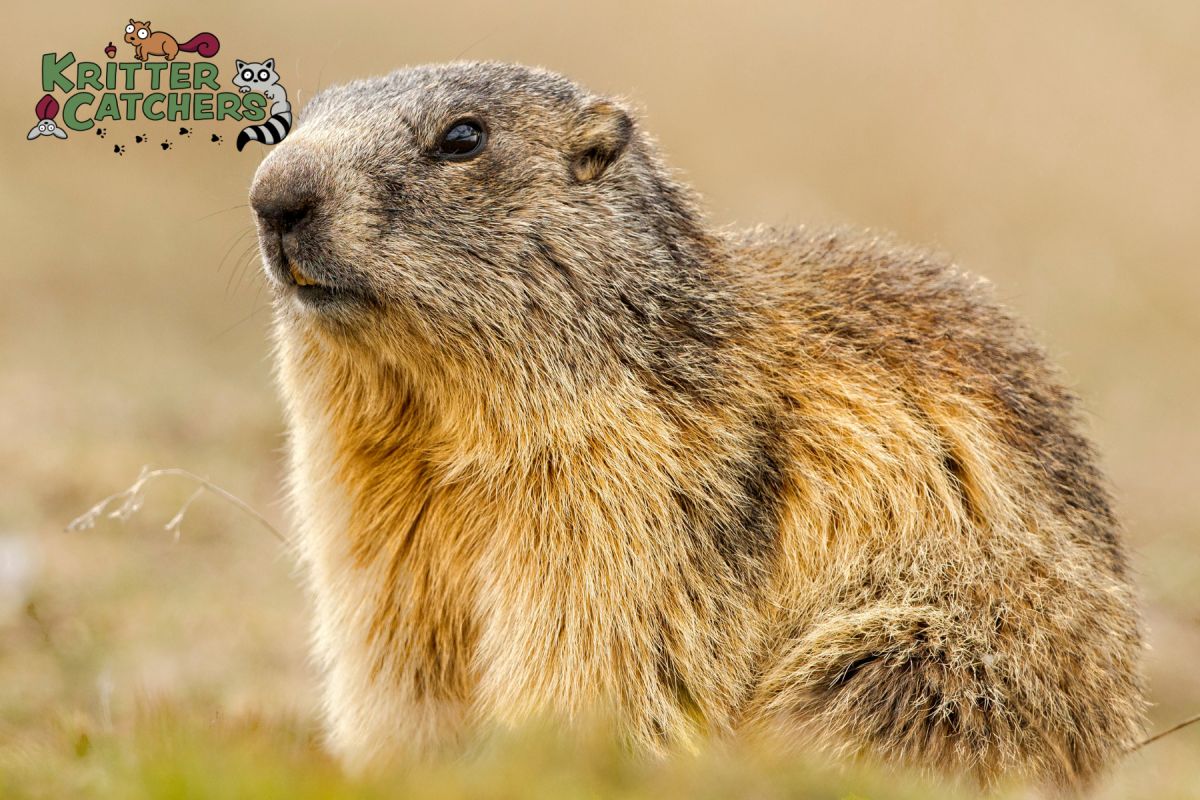
To safely remove a groundhog without harming it, deploy a live-capture cage trap baited with fresh greens, place it near an active burrow entry, and
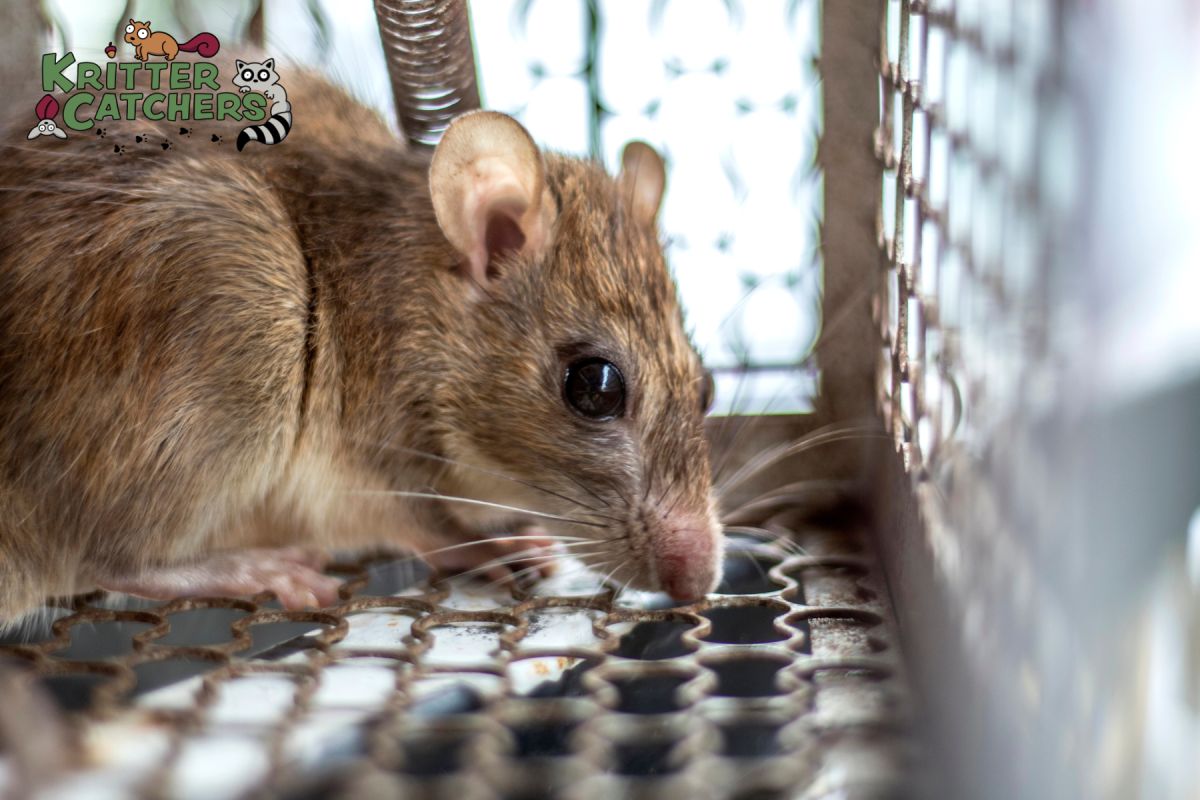
Why Do Rodents Keep Returning Even After Traps and Bait Have Been Used
Rodents keep returning because traditional traps and baits only eliminate individual pests rather than addressing the root cause of the infestation. If structural entry points
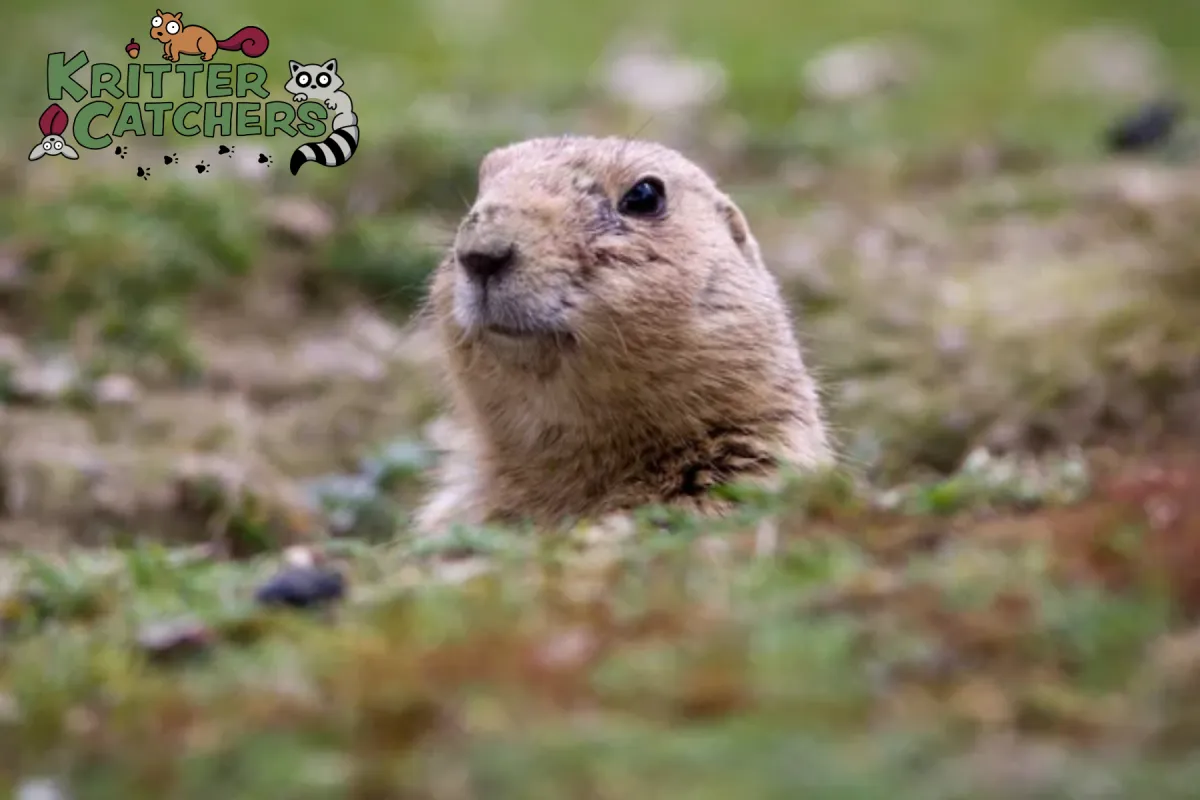
How Can Property Owners Make Their Yard Less Attractive to Groundhogs Long-Term
Property owners can make their yard less attractive to groundhogs in the long term by removing low-hanging food sources, clearing brush piles, and installing deep
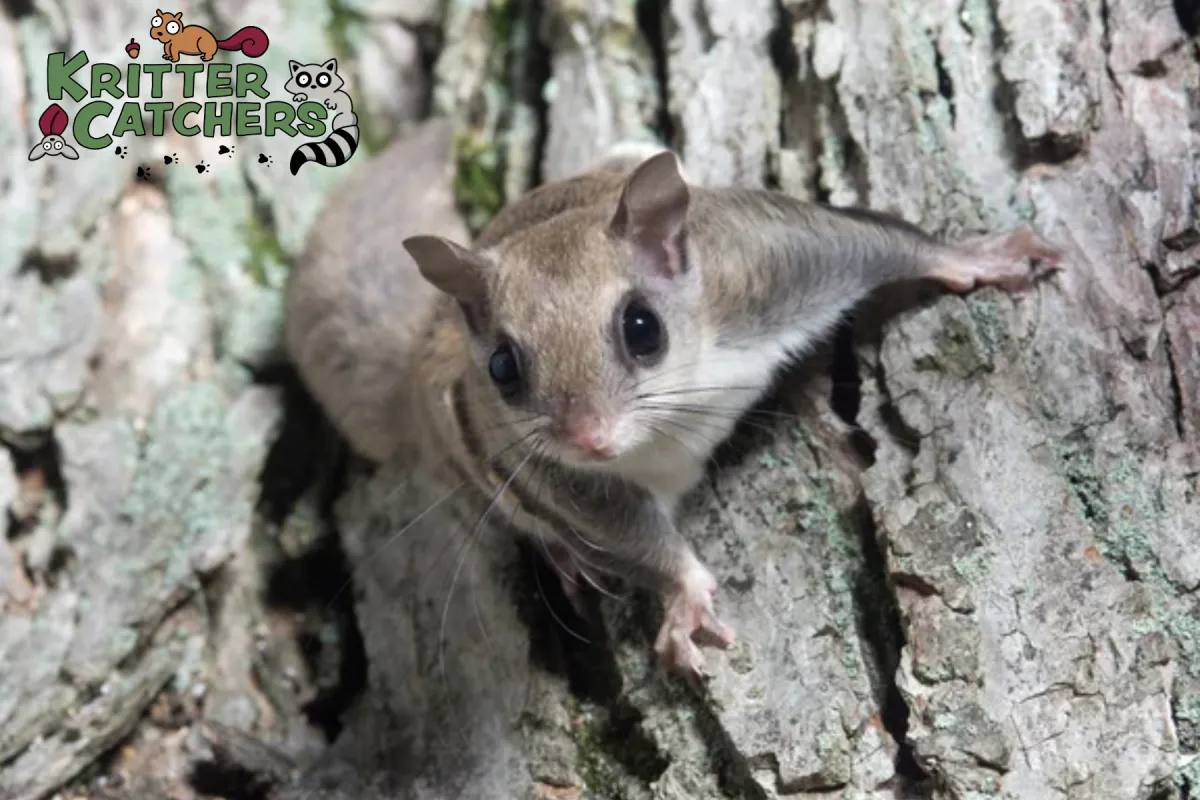
Why Sealing Entry Points Helps Prevent Flying Squirrels From Returning After Removal
Sealing entry points prevents flying squirrels from returning after removal because these rodents utilize persistent olfactory pheromone trails that guide entire colonies back to established
Why You Must Clean Up Scent Trails After Moving Wildlife Out of Your Home
You must clean up scent trails after moving wildlife because pheromones and biological markers act as a permanent “GPS” for other animals. Even if an
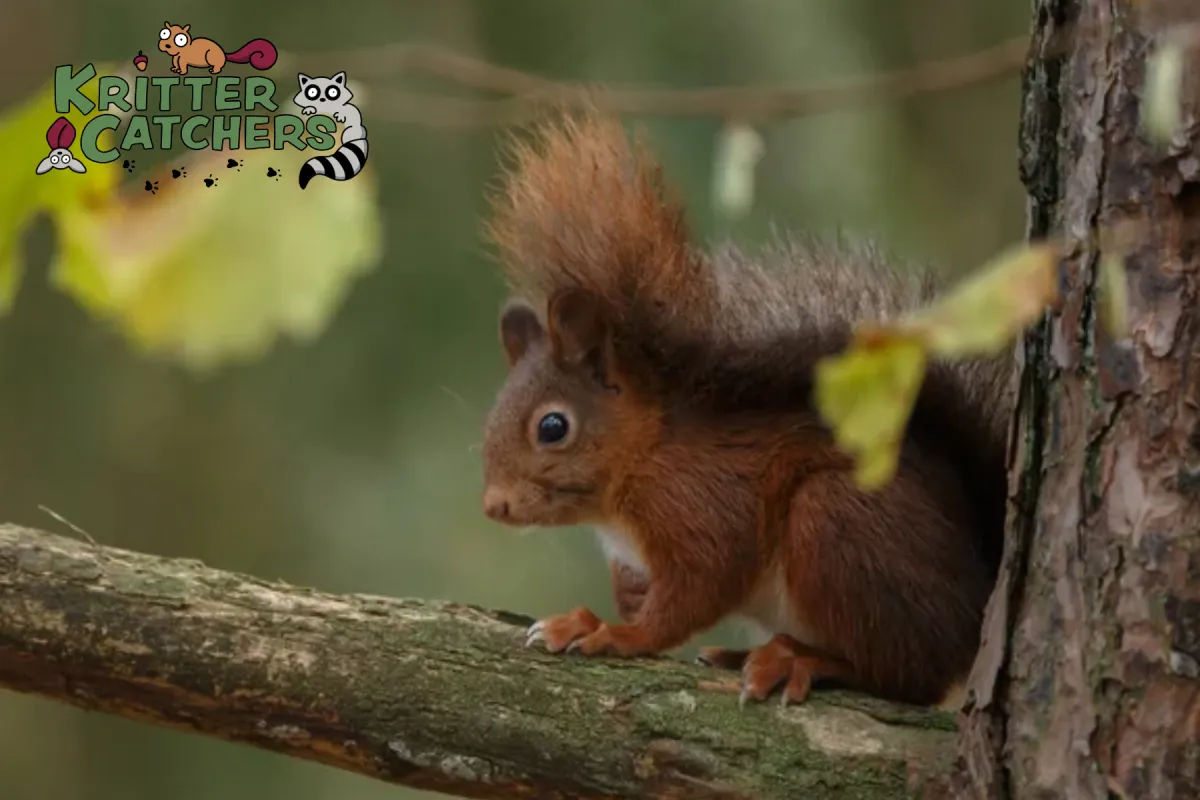
Why You Should Never Seal a Squirrel Hole Before Checking for Babies Inside
You should never seal a squirrel entry hole before checking for babies, because trapping offspring inside can lead to secondary pest infestations, structural damage, and