In New Jersey’s scenic landscapes, wildlife is common, and among the creatures that inhabit these areas, opossums are a prevalent concern for homeowners. This introduction examines the critical issue of removal and highlights the importance of safeguarding homes from these nocturnal visitors. As residents strive for peaceful coexistence with nature, effective opossum removal is paramount to ensure a pest-free, secure living environment.
Opossums, known for their adaptability and nocturnal habits, often enter residential spaces, posing challenges for homeowners. The following exploration will examine opossum behavior, signs of their presence, and the risks associated with infestations. Understanding the intricacies of opossum behavior is key to implementing effective removal strategies, whether through DIY methods or by engaging professional opossum removal services. This article provides a comprehensive guide to help residents achieve a pest-free home, addressing both the practical aspects of removal and the legal considerations involved in managing opossums responsibly.
Key Takeaways
-
Swift identification of opossum droppings, tracks, and property damage is paramount for effective removal in New Jersey.
-
Implement preventive measures, such as securing trash bins and sealing entry points, to make the environment less appealing to opossums, supporting wildlife removal in Union County, NJ efforts.
-
Understand and adhere to New Jersey’s wildlife regulations, securing the necessary permits for legal removal in New Jersey, and ensuring ethical wildlife management.
-
Engage expert wildlife removal services for humane trapping, exclusion techniques, and comprehensive strategies tailored to persistent infestations.
-
Opt for humane trapping methods and responsible disposal, reflecting ethical standards and fostering a harmonious coexistence between residents and wildlife in New Jersey.
Understanding Opossum Behavior
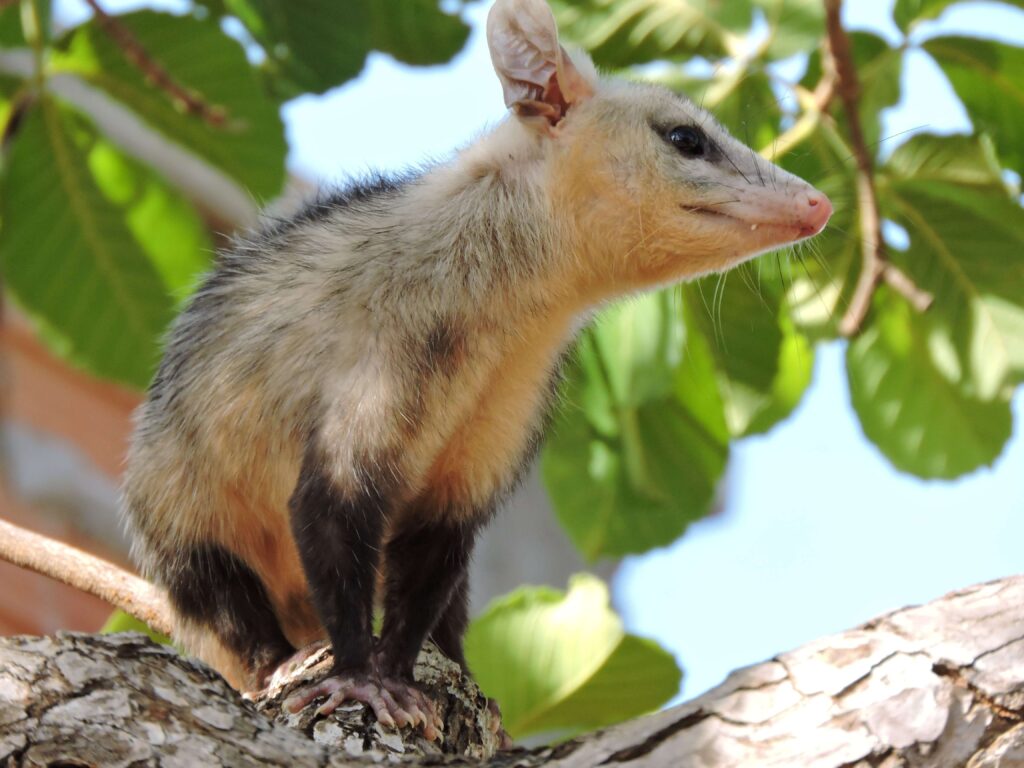
To effectively address the challenge of removal, it’s imperative to grasp the behavioral nuances of these adaptable creatures. Opossums, renowned for their nocturnal habits, are often drawn to residential areas in search of food and shelter. Understanding their behavior is a crucial first step in developing strategies to deter or remove them from homes.
Opossums are opportunistic feeders, often attracted to easily accessible food sources such as garbage cans and pet food left outdoors. Their adaptability allows them to thrive in diverse environments, including urban and suburban settings. Homeowners in New Jersey may find these creatures seeking refuge in attics, basements, or crawl spaces, utilizing any available entry points.
One distinctive aspect of opossum behavior is their tendency to play dead when threatened, a survival mechanism known as “playing possum.” This behavior can complicate removal efforts, requiring a nuanced approach. Additionally, opossums are skilled climbers, enabling them to access elevated areas around homes.
Identifying Opossum Infestations
Identifying the presence of opossums in and around your New Jersey home is a crucial aspect of initiating successful opossum control. Opossums, while often elusive, leave behind distinct signs that can alert homeowners to their infestation. Recognizing these indicators is essential for implementing timely and effective removal measures.
One primary clue of opossum activity is the discovery of their droppings and tracks. Opossum droppings are typically cylindrical and may contain undigested food particles. These can be found in areas where opossums frequent, such as near potential food sources or entry points. Additionally, their tracks, featuring five toes and a distinctive pattern, may be visible in soft soil or mud.
Opossums are also known to cause damage around homes. They may tear into garbage bags, damage attic insulation, or disturb outdoor areas in their search for food. Recognizing these signs of disruption can help pinpoint where opossums are active.
DIY Methods for Opossum Removal
Addressing opossum infestations at home often begins with adopting effective do-it-yourself (DIY) methods for removal. By taking proactive measures, homeowners can mitigate the attraction and access points that draw these creatures to residential areas in the Garden State.
Securing trash bins is a fundamental step in discouraging opossums from scavenging in residential neighborhoods. Opossums are opportunistic feeders, and easily accessible garbage can be a strong incentive for them to explore your property. By using tightly sealed bins and avoiding leaving trash uncovered, you reduce the likelihood of opossums finding readily available food.
Eliminating potential food sources from outdoor areas is another DIY approach. Pet food left outside can attract opossums, so bringing it indoors or storing it securely can deter these nocturnal visitors. Additionally, clearing fallen fruits or birdseed from the ground minimizes attractants.
Professional Opossum Removal Services in NJ
Engaging professional services in New Jersey is a prudent step for homeowners facing persistent opossum infestations. In the Garden State, where wildlife encounters are not uncommon, relying on experts ensures a thorough and humane approach to managing these nocturnal visitors.
Professional services for Union County critter control typically begin with a comprehensive evaluation and inspection of the property. Trained technicians assess the extent of the infestation, identify entry points, and develop a targeted removal strategy tailored to the specific needs of the homeowner.
Humane trapping methods are often used by professionals to safely capture and remove opossums. This ensures the creatures are relocated without causing harm, aligning with ethical and legal considerations surrounding wildlife management. Moreover, experts in Union County wildlife removal have the knowledge and experience to implement exclusion techniques that prevent re-entry and fortify vulnerable areas around the home.
Legal Considerations for Opossum Removal in New Jersey
Navigating the legal landscape is crucial to removal in New Jersey. Homeowners grappling with opossum infestations must be aware of and adhere to the state’s wildlife regulations to ensure effective removal and legal compliance.
Understanding wildlife regulations is the foundation of responsible removal. New Jersey has specific laws governing the management and removal of wildlife, including opossums. Homeowners should familiarize themselves with these regulations to avoid legal repercussions and contribute to the ethical treatment of wildlife.
Securing permits and licenses is often required for opossum removal in New Jersey. Professional removal services typically hold the necessary permits, ensuring their actions comply with legal standards. Homeowners undertaking DIY removal should verify applicable legal requirements and obtain any necessary permits before beginning work.
Preventative Measures for a Pest-Free Home
Implementing preventive measures is key to maintaining a pest-free home in New Jersey, where encounters with opossums are common. Residents seeking to mitigate the risk of infestations should adopt proactive strategies that discourage these nocturnal visitors from taking up residence on their property.
Regular maintenance and inspection are critical to preventing opossum infestations. Homeowners should conduct routine property checks to identify and address potential entry points and vulnerabilities. This proactive approach minimizes the likelihood of opossums finding shelter in attics, crawl spaces, or basements.
Landscaping choices can significantly affect a property’s attractiveness to opossums. Simple measures, such as keeping vegetation trimmed and removing overgrown shrubbery, reduce potential hiding spots and discourage opossums from frequenting the area.
Case Studies: Successful Opossum Removal in NJ
Exploring real-world cases of successful removal in New Jersey highlights effective strategies used by homeowners and professionals alike. These case studies offer valuable insights into the challenges faced, the approaches taken, and the outcomes achieved in the pursuit of a pest-free living environment in the Garden State.
In one case, a homeowner implemented a comprehensive approach that combined secure trash disposal, sealing entry points, and engaging professional services in NJ. This multifaceted strategy not only removed the existing opossum population but also fortified the property against future infestations.
Another case highlights the significance of community collaboration. Neighbors, recognizing the shared challenge of opossum presence, coordinated efforts to secure trash bins, eliminate food sources, and collectively address potential entry points. This collaborative approach not only resolved individual infestations but also created a unified defense against opossums in the neighborhood.
Conclusion
The legal considerations surrounding removal underscore the importance of responsible wildlife management and compliance with New Jersey regulations. Taking preventive measures, such as regular maintenance, landscaping choices, and community collaboration, helps protect against opossum infestations.
As we strive for a pest-free home, successful case studies illuminate effective strategies that homeowners can adapt to their unique situations. Whether through individual efforts or collective action within a community, New Jersey residents have the tools to mitigate the risks posed by opossums.
For immediate assistance with Opossum removal, contact Kritter Catcher. Our experts are ready to provide professional services tailored to your specific needs. Call us now to take the first step toward a pest-free living environment.

FAQ: People Also Ask
How can I tell if I have an opossum infestation in my home?
Look for signs such as droppings, tracks, and visible damage around your property. Unusual nighttime noises, such as scratching or scurrying, may also indicate their presence.
Are opossums dangerous to humans and pets?
Opossums are generally not aggressive but may defend themselves if threatened. While they are not known to carry rabies, they can transmit other diseases, and their presence may lead to confrontations with pets.
Can I use DIY methods to remove opossums from my property?
Yes, securing trash bins, eliminating food sources, and sealing entry points are effective DIY methods. However, professional assistance may be necessary for persistent infestations to ensure safe and humane removal.
Are there legal considerations for opossum removal in New Jersey?
Yes, New Jersey has specific wildlife regulations. It’s important to understand and comply with these laws, including obtaining any required permits for removal and ensuring humane handling.
How do I prevent opossums from entering my home?
Regular maintenance, sealing entry points, and keeping outdoor areas clean can deter opossums. Professional wildlife control services can also provide guidance on exclusion techniques and help prevent future infestations.
LEARN MORE HERE:
Opossum Troubles? Your Essential Guide to NJ’s Top Removal Techniques