In the bustling urban landscape of Jersey City, rodent control is a top priority for homeowners and tenants. The dense population and numerous hiding spots create the perfect environment for rodents to infiltrate homes, causing damage and posing health risks. Wildlife control is crucial in this environment, helping residents manage and prevent infestations while maintaining a clean, safe living space. Proactive prevention and swift eradication are essential to tackle this ongoing problem.
In this guide, we will explore effective rodent control methods in Jersey City, offering expert advice on handling infestations and preventing them. From identifying early signs of a rodent problem to effective eradication methods, we’ll provide you with the tools needed to keep your home pest-free.
Key Takeaways
-
Prevention First: Seal entry points and keep food in sealed containers to stop rodents before they enter.
-
Rodent Identification: Recognize the signs of infestation, including droppings, gnaw marks, and unusual sounds.
-
Humane Control Methods: Use traps, baits, and natural deterrents to address infestations.
- Professional Help: For persistent issues, call Kritter Catchers, your local Hudson County wildlife control expert.
Understanding Jersey City Rodent Control
To effectively manage rodent control in Jersey City, it’s important to understand the unique factors contributing to infestations in urban areas. Jersey City’s waterfront neighborhoods, older buildings, and dense population make it a hotspot for rodents, including rats, mice, and squirrels. These pests are constantly seeking food, shelter, and warmth, and often find their way inside through small cracks, gaps, or poorly maintained entry points.
Common rodent species in Jersey City include:
-
Norway Rats: Larger, burrowing rodents often found in basements and sewers.
-
House Mice: Smaller, adaptable pests that can enter through tiny openings.
-
Roof Rats: Typically found in attics or high places, these rodents can cause extensive damage.
Rodents pose health risks because they are known carriers of diseases such as salmonellosis, hantavirus, and leptospirosis. Their droppings and urine can contaminate surfaces, and their gnawing habits can damage structures, insulation, and electrical wiring.
By understanding the challenges posed by rodents in Jersey City, residents can better equip themselves with the knowledge and tools necessary to combat these persistent pests.
Prevention Measures for a Pest-Free Home
Effective rodent control starts with prevention. Here are the steps you can take to keep your home safe:
1. Secure Entry Points
-
Inspect the exterior of your home for cracks, holes, or gaps, especially around doors, windows, vents, and pipes.
-
Seal any openings using materials like steel wool or caulk to prevent rodents from sneaking in.
2. Proper Food Storage
-
Store food in sealed metal or glass containers to prevent rodents from accessing it.
-
Clean up any crumbs or spills immediately, especially in kitchens and dining areas.
3. Eliminate Rodent Hiding Spots
-
Declutter your home, especially in basements, attics, and storage areas. Rodents love to hide in piles of old newspapers, boxes, or furniture.
-
Keep areas like under sinks and behind appliances clear of food or waste.
Effective Rodent Control Methods
When prevention isn’t enough, here are some effective methods to address existing infestations:
1. Traps and Baits
-
Snap traps and live traps can help capture rodents. These traps should be placed in areas where you’ve noticed activity.
-
Baits like peanut butter or cheese attract rodents into traps, but be mindful of where you place them to avoid harming pets or children.
2. Natural Deterrents
-
Peppermint oil is a natural rodent repellent. Soak cotton balls and place them in areas where rodents are likely to enter.
-
Mothballs and bay leaves are also effective deterrents that rodents dislike.
3. Professional Wildlife Removal Services
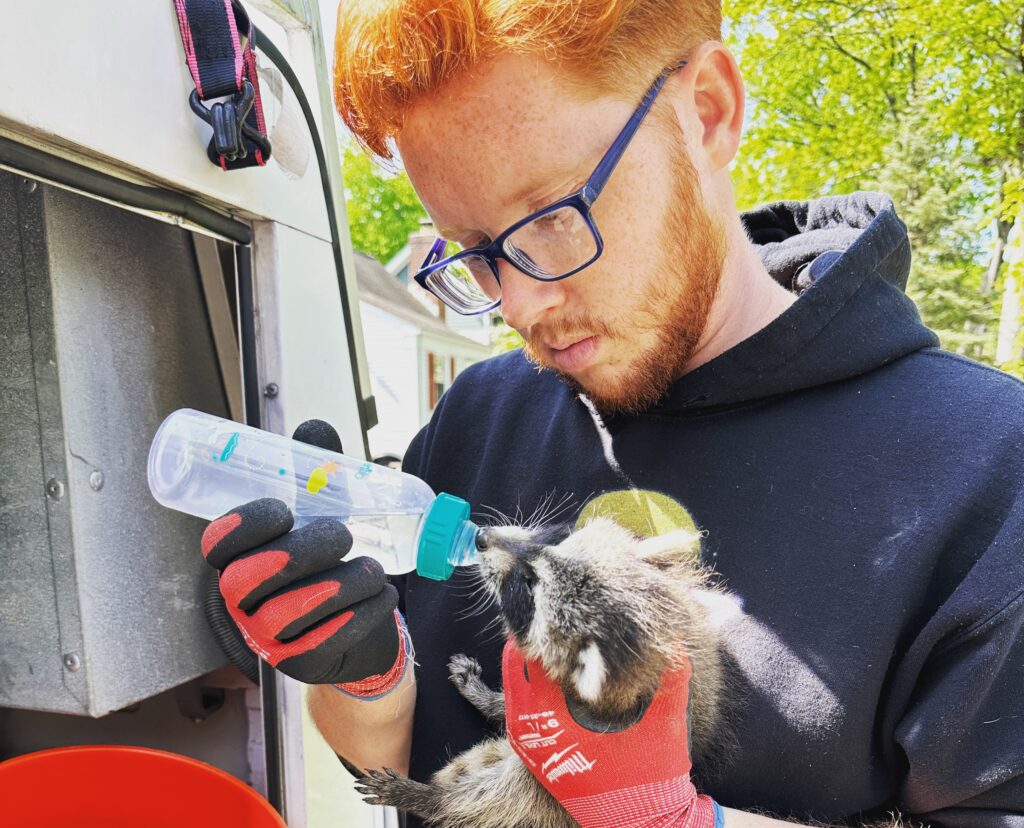
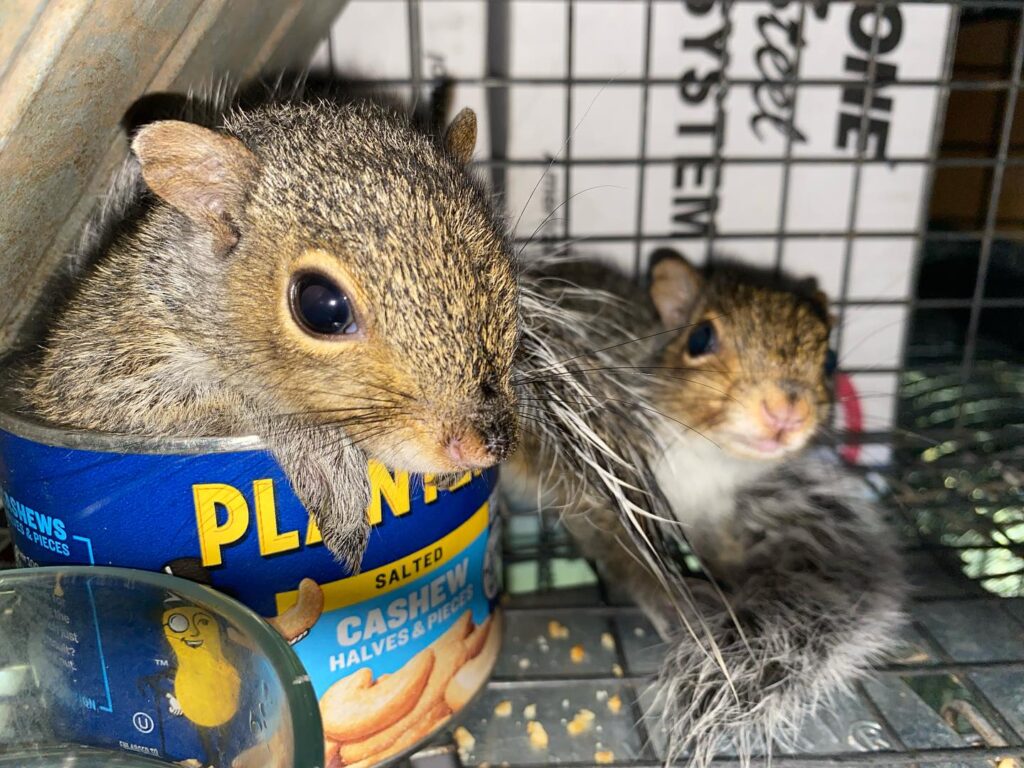
For larger infestations or those involving wildlife (like squirrels or raccoons), it’s best to call in the professionals. Hudson County wildlife removal services like Kritter Catchers have the tools and expertise to safely and effectively remove rodents from your property. Our team can also handle the humane removal of wildlife, ensuring compliance with local regulations and safety standards.
DIY vs. Professional Rodent Control
While DIY rodent control methods can be effective for minor issues, professional assistance is often necessary for larger infestations or those involving wildlife. If rodents are nesting in hard-to-reach areas like walls, attics, or basements, or if you’re dealing with a persistent problem, wildlife removal in Hudson County, NJ can help you safely and efficiently solve the issue.
Here’s when to call a professional:
-
If you suspect a significant infestation.
-
When rodents are causing extensive property damage.
-
If you’re unsure about the best way to handle the situation.
How to Prevent Future Rodent Infestations
Once you’ve dealt with a rodent issue, it’s important to implement steps to prevent future infestations:
-
Regular Inspections: Make it a habit to check for cracks, holes, and gaps in your home’s exterior every season.
-
Maintain Cleanliness: Regularly clean areas where food is stored and eaten, and dispose of garbage frequently.
-
Keep Landscaping in Check: Trim back trees and shrubs that could provide access to your roof or windows.
Frequently Asked Questions
1. What are the common signs of a rodent infestation?
Look for droppings, gnaw marks, nests, and signs of rodents, such as scratching noises or sightings of the pests.
2. How can I tell if I have rats or mice?
Rats are larger, have blunt noses, and tend to leave larger droppings. Mice are smaller, have pointed noses, and leave smaller droppings.
3. What should I do if I find rodent droppings?
Wear gloves, clean up the droppings with disinfectant, and then seal entry points to prevent further infestations.
4. How can I prevent rodents from accessing food?
Store food in sealed containers, clean up spills and crumbs immediately, and avoid leaving pet food out overnight.
5. How can I know if traps or baits are working?
Check traps regularly for catches, and replace baits as necessary. If there’s no activity, consider changing tactics or calling a professional.
Conclusion
Jersey City rodent control presents unique challenges, but with proactive prevention, effective control methods, and professional assistance when needed, homeowners and tenants can keep their living spaces pest-free. By sealing entry points, storing food properly, and using traps or natural deterrents, you can significantly reduce the risk of rodent infestations. For larger or more complex infestations, Kritter Catchers NJ is here to help with expert wildlife removal.
Don’t wait for the problem to escalate. Contact us today to schedule an inspection and ensure your home stays rodent-free.
Other related blogs:
Effective Rodent Control Methods: Keeping Your NJ Home Rodent-Free