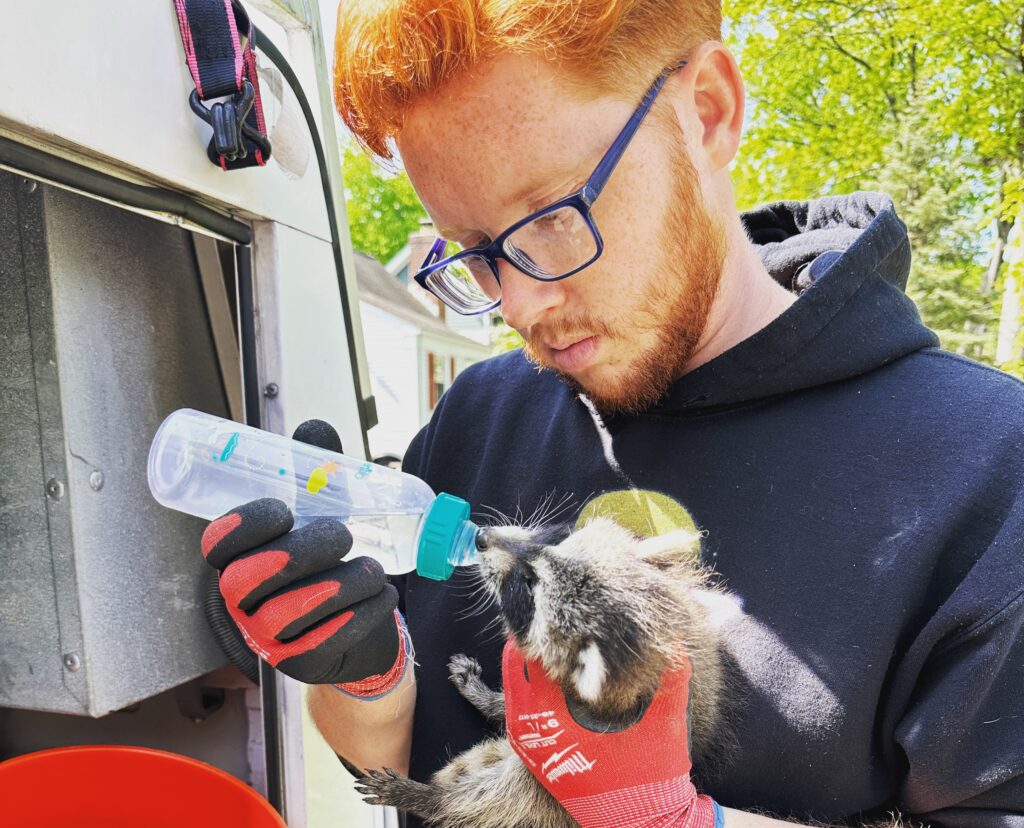
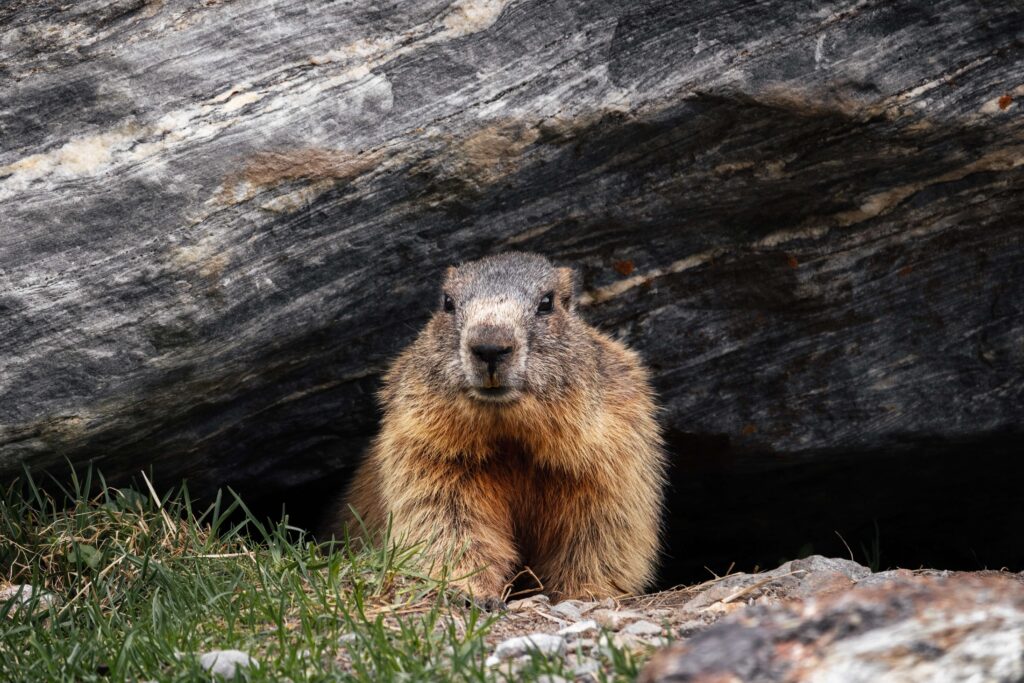
Groundhog removal is the process of eliminating or relocating groundhogs, also known as woodchucks, that have become a nuisance in residential areas. Groundhogs are burrowing rodents that can cause significant damage to yards, gardens, and the structural integrity of buildings through their tunneling activities.
Groundhog removal involves a variety of techniques, from humane trapping to habitat modification. By addressing the root causes of infestations and using the right removal strategies, homeowners can ensure their property remains safe and free of damage. For effective Union County wildlife removal, consider professional services to manage groundhog issues safely and humanely.
5 Key Methods for Effective Groundhog Removal:
- Humane Trapping and Relocation
- What it is: Using live traps to safely capture and relocate groundhogs to a suitable habitat.
- How it works:
- Choose the right live trap size (large enough for a groundhog).
- Use bait like fresh vegetables or peanut butter to attract them.
- Place traps near burrow entrances or paths.
- Once trapped, relocate the groundhog at least 5 miles away from your property.
- Fencing and Barriers
- What it is: Installing a fence or barrier to prevent groundhogs from entering your yard.
- How it works:
- Use heavy-duty wire mesh (e.g., hardware cloth).
- Bury the fence at least 12 inches deep and bend it outward to prevent digging.
- Extend the fence above ground to 3-4 feet and consider an outward-facing overhang to prevent climbing.
- Habitat Modification
- What it is: Making your yard less attractive to groundhogs by reducing food and shelter sources.
- How it works:
- Remove fallen fruits and secure garden beds.
- Eliminate brush piles, woodpiles, and tall grass that provide hiding spots.
- Secure compost bins to prevent easy access to food scraps.
- Repellents and Deterrents
- What it is: Using natural or chemical deterrents to make your yard unappealing to groundhogs.
- How it works:
- Use motion-activated sprinklers, lights, or noise makers to deter groundhogs.
- Install reflective objects, such as aluminum foil strips, around your yard.
- Apply commercial or homemade repellents (e.g., hot pepper spray or predator urine).
- Professional Groundhog Removal Services
- What it is: Hiring an expert to manage groundhog removal professionally and humanely. For reliable wildlife removal Union County NJ, our team ensures effective and humane solutions tailored to your needs.
- How it works:
- Professionals assess your property for groundhog activity.
- They use humane trapping and relocation methods.
- Experts install barriers, perform habitat modifications, and offer ongoing monitoring to prevent future infestations.
Conclusion: Ensure a Groundhog-Free Yard with the Right Approach
Groundhog removal requires a comprehensive approach, from humane trapping to fencing and habitat modification. Understanding groundhog behavior and implementing these effective methods help ensure your yard remains free of damage caused by these burrowing rodents. If you’re dealing with persistent groundhog problems, trust Kritter Catchers NJ for expert advice and humane removal services tailored to your needs.
For immediate help with groundhog removal, contact us today. Our professional services will ensure your yard remains safe and groundhog-free!

FAQ: People Also Ask
How can I tell if I have a groundhog problem in my yard?
Look for visible burrows with large openings near structures or in gardens. Damaged plants, vegetables, or fruits indicate groundhogs are foraging in your yard. Fresh mounds of dirt and daytime sightings of groundhogs also signal a problem.
Are groundhogs dangerous to humans or pets?
Groundhogs are generally not aggressive but can cause harm if they feel threatened. Their burrowing can undermine foundations, decks, and other structures, causing damage. While groundhogs aren’t known to be aggressive toward pets, they can become defensive if provoked.
How do I get rid of a groundhog in my backyard?
To get rid of a groundhog in your backyard, use humane trapping methods or install physical barriers like fencing. You can also modify your yard to eliminate food sources and shelter, making it less inviting for groundhogs.
Can I use household items to repel groundhogs?
Yes, some household items, such as hot pepper flakes, garlic, or ammonia-soaked rags, can deter groundhogs. However, these methods may need to be combined with long-term solutions such as habitat modification and barriers to achieve effective control.
How do professional pest control services ensure humane groundhog removal?
Kritter Catchers NJ uses live traps to humanely capture groundhogs and relocate them safely. Our experts also implement exclusion techniques and provide advice on preventing future infestations, ensuring that the process complies with local wildlife regulations.