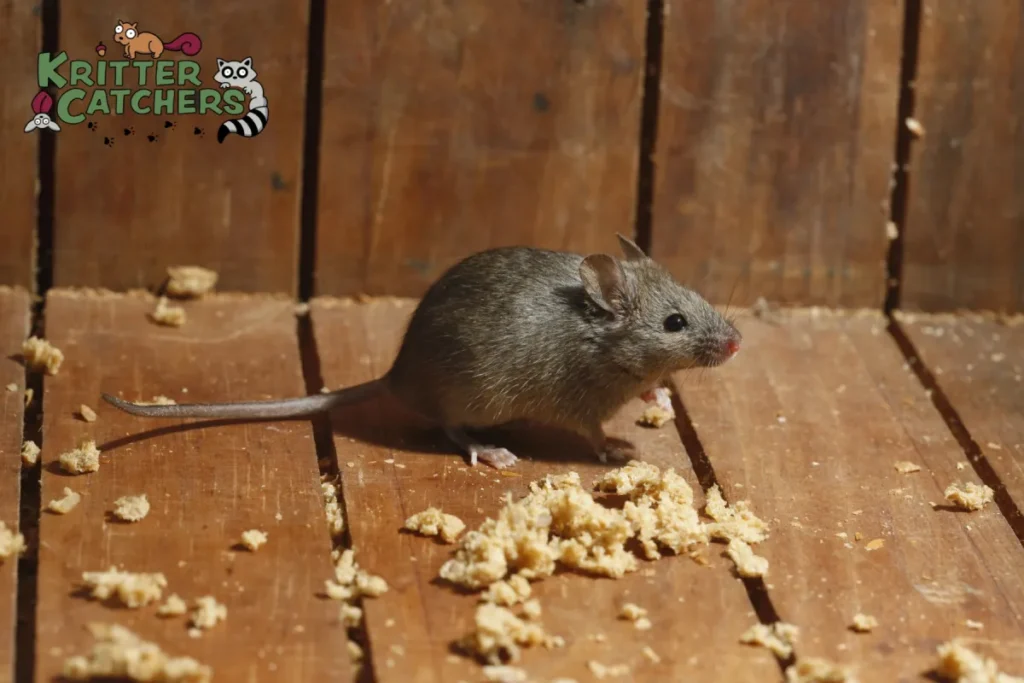
Rodent exclusion generally provides better long-term prevention because it blocks the gaps and openings mice and rats use to enter a property. Trapping removes rodents already inside, but it does not stop new ones from getting in. Combining both methods helps address existing rodent activity while reducing the chance of future entry.
What Is the Difference Between Rodent Trapping and Rodent Exclusion?
Trapping and exclusion solve different parts of a rodent problem. Trapping focuses on catching rodents inside a building, while exclusion focuses on closing the openings they use to get inside.
What Is Rodent Trapping?
Rodent trapping uses devices to catch mice and rats in areas where they are active. A technician looks for signs such as droppings, gnaw marks, nesting materials, and movement patterns to help determine where traps should be placed.
Common trapping options include:
- Snap traps: Mechanical devices designed to kill rodents when triggered.
- Electronic traps: Devices that use an electric charge to kill captured rodents.
- Live-catch traps: Devices that hold rodents without immediately killing them. Their use and handling should follow applicable rules and professional guidance.
- Advanced trapping mechanisms: Specialized devices selected based on the type of rodent and the conditions found during an inspection.
Trapping can reduce the number of rodents inside a property. However, it does not close the openings that allowed them to enter.
What Is Rodent Exclusion?
Rodent exclusion means finding and closing openings that mice and rats may use to enter a building. Since rodents can squeeze through small gaps, an inspection needs to cover more than obvious holes.
Common entry points include:
- Gaps beneath exterior and garage doors.
- Openings around pipes, cables, and utility lines.
- Damaged vents and screens.
- Cracks and gaps around the foundation.
- Roof edges, soffits, and other exterior openings.
- Spaces around windows and doors.
Depending on the opening, suitable materials may include metal mesh, hardware cloth, flashing, door sweeps, and durable sealants. The material should be strong enough to resist rodent damage.
Rodent Trapping vs. Exclusion: Which Method Works Better?
The better method depends on the condition of the property. If rodents are already inside, trapping may be needed. If there are openings that allow them to enter, exclusion is important. When both problems exist, combining the methods addresses more of the issue.
Comparing Trapping and Exclusion
| Comparison | Rodent Trapping | Rodent Exclusion |
| Main purpose | Removes rodents already inside | Blocks openings rodents use to enter |
| Immediate result | May catch active rodents | Closes identified access points |
| Long-term benefit | Helps reduce current activity | Helps prevent future entry |
| Best use | An active rodent problem | Recurring entry or visible gaps |
| Maintenance | Traps need checking and servicing | Seals and barriers need inspection |
| Main limitation | Does not automatically stop new rodents from entering | Does not remove rodents already inside |
When Does Rodent Trapping Work Best?
Trapping is useful when there are signs that rodents are already moving around inside a property. It may be recommended when:
- Droppings or gnaw marks appear in several areas.
- Scratching sounds suggest movement inside walls or ceilings.
- Rodents are seen near food storage, kitchens, or utility spaces.
- The property needs monitoring to check whether activity continues.
- Rodents need to be removed before all entry points can be addressed.
The type and placement of traps should depend on the signs found during the inspection. Traps also need regular checks so captured rodents can be handled properly.
When Does Rodent Exclusion Work Best?
Exclusion is especially useful when rodents keep entering through gaps or damaged parts of a building. It may be a priority when:
- Openings are visible around doors, pipes, vents, or foundations.
- Rodents repeatedly appear in the same parts of the property.
- Previous trapping has reduced activity, but new rodents keep showing up.
- A property owner wants to reduce the chance of future entry.
Sealing one visible hole may not be enough. Rodents can use several openings, so checking the full property helps prevent other access points from being overlooked.
Why Is Combining Rodent Trapping and Exclusion More Effective?
Trapping and exclusion address two different parts of a rodent problem. Trapping helps remove rodents that have already entered, while exclusion makes it harder for more to get inside. For homeowners seeking critter control in Montclair, combining both methods can help address current rodent activity and reduce the risk of future infestations.
4 Reasons to Use Both Methods Together
- Trapping addresses existing activity. It helps reduce the number of rodents in areas where they have been found.
- Exclusion blocks access points. Sealing suitable openings helps prevent rodents from using those routes again.
- Inspections reveal overlooked areas. A property check can identify signs of activity and openings that may be difficult to spot.
- Follow-up checks track progress. Monitoring can show whether activity continues or additional attention is needed.
What Happens When You Only Trap Rodents?
If entry points remain open, new rodents may enter after others have been caught. This can lead to repeated trap placements and continued activity around the property.
Trapping may reduce the number of rodents inside, but it does not address every way they can get in. An inspection for possible entry points should be part of the process.
What Happens When You Only Seal Entry Points?
Exclusion helps block access, but it does not automatically remove rodents already inside. Mice or rats may remain in attics, crawl spaces, wall voids, or storage areas.
A complete plan should consider both existing activity and the openings that may have allowed it to happen.
How Can You Tell Whether Your Property Needs Trapping, Exclusion, or Both?
Start by looking for signs of rodent activity and possible entry points. These findings can help determine whether the property needs trapping, exclusion, or both.
6 Signs That May Indicate a Rodent Problem
- Droppings: Small droppings near cabinets, food storage, walls, or other areas rodents visit.
- Gnaw marks: Damage to food packaging, wood, plastic, or other materials.
- Scratching sounds: Movement or scratching noises in walls, ceilings, or floors.
- Nesting materials: Shredded paper, fabric, insulation, or other materials gathered in hidden spaces.
- Rub marks: Dark marks along walls or pathways that rodents may use repeatedly.
- Repeated sightings: Seeing mice or rats, especially in the same areas, can point to ongoing activity.
How to Inspect Your Property for Rodent Entry Points
Use this checklist when checking your home or business:
- Look for gaps beneath exterior doors and garage doors.
- Inspect openings around plumbing, electrical lines, and other utility connections.
- Check roof edges, vents, and damaged screens.
- Examine foundation openings and cracks.
- Look around windows, door frames, and exterior walls.
- Check for gnaw marks or other signs near possible openings.
Avoid touching rodent droppings or nesting materials without proper precautions. If activity is widespread or located in hard-to-reach spaces, a professional inspection can help identify the problem.
For property owners looking into critter control in Montclair, NJ, checking both rodent activity and possible access points is an important first step. It helps determine whether the concern involves rodents already inside, openings that need attention, or both.
Common Rodent Control Myths That Can Make Infestations Worse
Some common beliefs can lead property owners to repeat the same steps without addressing why rodents keep returning.
Myth 1: Trapping Alone Solves a Rodent Problem
Reality: Trapping can catch rodents inside a building, but it does not close the openings that allow others to enter. If access points remain open, activity may continue.
Myth 2: Sealing One Visible Hole Is Enough
Reality: Rodents may use more than one opening. A thorough inspection should include doors, foundations, utility connections, vents, and roof areas.
Myth 3: No More Droppings Means Every Rodent Is Gone
Reality: A decrease in droppings is encouraging, but it does not always confirm that all activity has stopped. Monitoring and follow-up checks can help assess whether the problem has been addressed.
Myth 4: Rodents Only Enter Dirty Homes
Reality: Rodents can enter clean, well-maintained properties when they find access, food, water, or shelter. Good housekeeping helps reduce attractants, but it cannot replace proper exclusion.
Applying Our Proven Rodent Removal and Prevention Approach to Solve This
Kritter Catchers NJ combines over 10 years of pest removal experience with inspections, customized plans, humane removal methods, and follow-up care. The goal is to understand where rodents are active, choose suitable ways to address them, and help prevent further entry.
Step 1: Start With an In-Depth Inspection
An inspection helps identify the type of rodent, signs of activity, and possible entry points. Our team checks areas that may be missed during a quick look, including utility openings, roof edges, foundations, and hidden spaces.
The findings help determine where rodents are active and which parts of the property need attention. This information also guides the next steps instead of relying on guesswork.
Step 2: Create a Customized Treatment Plan
Every property has different needs. The right approach depends on the type and extent of rodent activity, the building layout, and the property owner’s concerns.
Kritter Catchers NJ uses the inspection findings to create a plan suited to the property. This may include trapping, exclusion, monitoring, or additional treatments when needed.
Step 3: Use Humane and Non-Toxic Approaches Where Appropriate
We prioritize humane rodent control methods and safe, non-toxic approaches wherever possible. The methods selected depend on the situation, the property, and the type of activity found.
Our team can explain the recommended approach before work begins, including what it involves and what property owners should expect.
Step 4: Use Advanced Technology and Trapping Equipment
Rodents may move through hidden areas that are difficult to inspect directly. Depending on the property, our approach may include tools such as:
- Infrared cameras: Help assess activity in areas that are difficult to view directly.
- Ultrasonic devices: Use sound frequencies as part of certain pest management approaches. Their suitability and expected results depend on the conditions.
- Advanced trapping mechanisms: Provide additional options for catching rodents based on their activity and location.
These tools serve different purposes. They are selected based on the inspection rather than used automatically on every property.
Step 5: Install Monitoring Devices and Schedule Regular Check-Ups
Removing rodents is only one part of the process. Monitoring devices can help track activity after the initial work, while regular check-ups allow the team to review whether the plan is working.
If signs of activity continue, additional treatments or adjustments may be recommended. Follow-up visits also provide an opportunity to check previously identified entry points and discuss further prevention steps.
Homeowners comparing Montclair critter control options should look for a provider that explains both removal and prevention. A clear plan should address current activity and the conditions that could allow rodents to return.
People Also Ask About Rodent Trapping and Exclusion
Is rodent exclusion better than trapping?
Rodent exclusion is generally better for long-term prevention because it blocks openings rodents use to enter. Trapping helps remove rodents already inside. Combining both methods can address current activity and help prevent future entry.
Can you get rid of mice without trapping them?
Exclusion can help prevent mice from entering, but it does not necessarily remove mice already inside. Existing activity may require trapping or another suitable removal method.
How long does rodent exclusion last?
The results depend on the materials used, the quality of the work, and the condition of the property. Sealed openings should be checked over time for damage or new gaps.
Where should rodent traps be placed?
Traps are commonly placed along walls and near signs of rodent movement, such as droppings or gnaw marks. Placement should follow the device instructions and account for children and pets.
Do rodents return after exclusion?
Rodents may find new or overlooked openings even after some gaps have been sealed. Regular property checks can help identify these areas before they become access points.
Choose a Long-Term Approach to Rodent Control
Trapping and exclusion work best when they are treated as parts of the same plan. Trapping helps remove rodents already inside, while exclusion helps stop new ones from entering. Using both methods addresses the current problem and reduces the chance of repeated entry.
Kritter Catchers NJ provides personalized services based on the property’s needs. Our approach includes in-depth inspections, customized plans, humane methods, monitoring, and follow-up care.
If you are finding droppings, hearing scratching sounds, or noticing damage around your property, contact us today for a consultation or inspection. Our team can discuss your concerns, explain the available options, and help you decide on the next step.