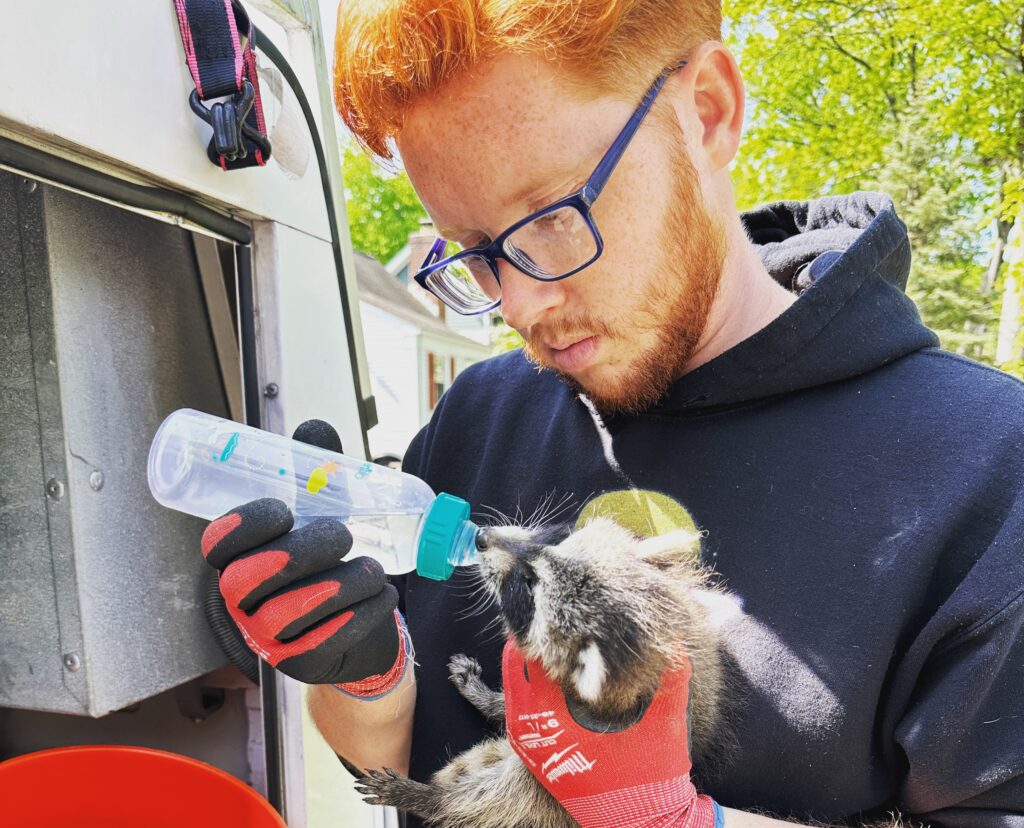

A groundhog in New Jersey is a burrowing rodent that can cause significant damage to properties, gardens, and lawns. Groundhog removal is essential to protect your property and maintain your home’s safety. These animals are known for digging extensive burrow systems, which can weaken foundations and cause erosion.
This guide covers the do’s and don’ts of humane groundhog removal, providing key steps to ensure a safe and effective approach for New Jersey homeowners.
5 Key Steps for Humane Groundhog Removal in New Jersey
To ensure that groundhog removal in New Jersey is both humane and effective, follow these essential steps:
1. Inspect Your Property for Groundhog Activity
The first step in addressing a groundhog in New Jersey is to inspect your property. Look for signs such as:
- Burrow entrances (usually about 10-12 inches in diameter)
- Mounds of dirt near foundation walls or garden beds
- Chewed vegetation or stripped tree bark
2. Use Humane Trapping Methods
Humane NJ groundhog removal focuses on safe relocation. Use live traps to capture the animal without harming it. Be sure to release the groundhog away from your property to prevent its return.
3. Seal Burrows and Entry Points
After removal, seal up any burrows and potential entry points. Groundhogs are excellent diggers, so make sure all holes and tunnels are properly sealed to prevent future infestations.
4. Remove Attractants from Your Yard
Groundhogs are attracted to food sources such as gardens, fruit, and vegetables. By removing these attractants, you can discourage groundhogs from returning. Also, keep your lawn and garden well-maintained to avoid attracting new pests.
5. Seek Professional Help
If you are unsure about the process, it’s best to seek professional assistance. Experts in humane groundhog removal are trained to handle the animals safely and ensure compliance with local wildlife laws.
The Do’s of Groundhog Removal in New Jersey
Following these do’s will help you handle groundhog removal in New Jersey efficiently and humanely:
1. Do you understand groundhog behavior
Groundhogs are burrowing creatures that create complex tunnel systems. Recognizing their behavior, such as feeding patterns and nesting areas, will help you identify the problem early and plan your removal strategy.
2. Do Comply with Local Regulations
It’s important to comply with local laws regarding wildlife removal. In New Jersey, it is illegal to use poisons or certain traps. Always ensure your methods comply with humane groundhog removal practices.
3. Do Use Preventative Measures
To prevent future infestations, seal off potential entry points and remove any food sources, such as fallen fruit or vegetable crops. You can also use fencing or other barriers to deter groundhogs from accessing your property.
4. Do Monitor for New Groundhog Activity
After completing the groundhog removal process, continue monitoring your property for any signs of new groundhog activity. Be vigilant and maintain preventative measures throughout the year.
The Don’ts of Groundhog Removal in New Jersey
Avoid these common mistakes when attempting groundhog removal in New Jersey:
1. Don’t Use Poison or Harmful Chemicals
Never use poisons or chemicals to remove groundhogs. These methods are not only inhumane but can also be harmful to other wildlife, pets, and the environment.
2. Don’t Neglect Legal Requirements
In New Jersey, there are strict regulations regarding wildlife removal. Failing to comply with local laws can lead to legal complications. Always seek professional assistance if you are unsure about the legal aspects of humane groundhog removal.
3. Don’t Ignore Disease Risks
Groundhogs can carry diseases such as rabies and leptospirosis, and ticks that transmit Lyme disease. Always wear protective gloves and take safety precautions when handling groundhogs or their burrows.
4. Don’t Underestimate the Complexity
Groundhog removal can be more complicated than it seems. The process involves more than just trapping; it requires a comprehensive understanding of groundhog behavior and habitat. Professional help is often the best option.
Common Mistakes in Groundhog Removal
Homeowners often make mistakes when trying to handle a groundhog New Jersey infestation. Here are the most common errors to avoid:
- Not considering long-term prevention: Simply removing groundhogs without addressing the root cause can lead to recurring infestations. Prevention measures, like sealing holes and eliminating food sources, are crucial.
- DIY attempts: While DIY methods can seem cost-effective, groundhogs are tricky to remove. They can return if their burrows are not sealed properly. Professional groundhog removal ensures a thorough solution.
Contact Kritter Catchers for Humane Groundhog Removal in New Jersey
If you’re dealing with a groundhog in New Jersey, humane groundhog removal is the safest solution. Contact Kritter Catchers for expert groundhog removal NJ services. Our team ensures safe, effective, and legal removal of groundhogs from your property. Call us today for an inspection and to restore peace to your yard!

FAQs About Groundhog Removal in New Jersey
Q: Can I use poison to get rid of groundhogs in New Jersey?
A: No, poisons are harmful to the environment and other wildlife. Humane groundhog removal through trapping and relocation is always the best option.
Q: How can I prevent groundhogs from returning to my property?
A: Seal any burrows, remove food sources, and install barriers like fences to discourage groundhog NJ from re-entering.
Q: What signs indicate I have a groundhog infestation in New Jersey?
A: Look for burrow entrances, mounds of dirt, chewed vegetation, and sightings of groundhogs during the day. These are all signs that you have a groundhog in New Jersey.
Q: Is groundhog removal legal in New Jersey?
A: Yes, groundhog removal in NJ is legal, but it’s essential to follow local wildlife laws to ensure compliance with humane practices.
Q: Are there health risks associated with handling groundhogs?
A: Yes, groundhogs can carry diseases like rabies and leptospirosis. It’s advisable to seek professional help to minimize health risks during groundhog removal in NJ.