Humane groundhog removal works by conducting a thorough burrow inspection, placing gravity-triggered live wire-cage traps along active travel paths, and utilizing double-door traps or one-way exclusion devices. Once captured safely, technicians transfer the groundhog in stress-reducing covered cages for legal, state-compliant relocation or exclusion, followed by permanent burrow barrier installation.
Field Investigation: Identifying Active Burrow Vulnerabilities
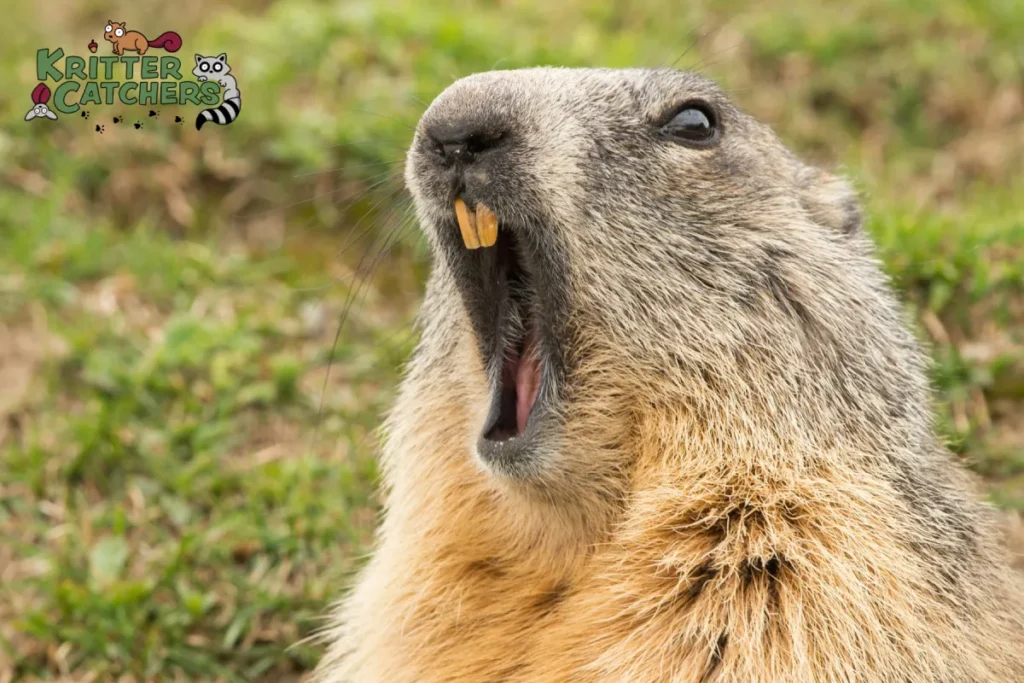
Groundhogs (also known as woodchucks) are master excavators capable of moving hundreds of pounds of dirt to create complex underground networks. Before setting any equipment, a proper assessment maps out the scope of the subterranean system:
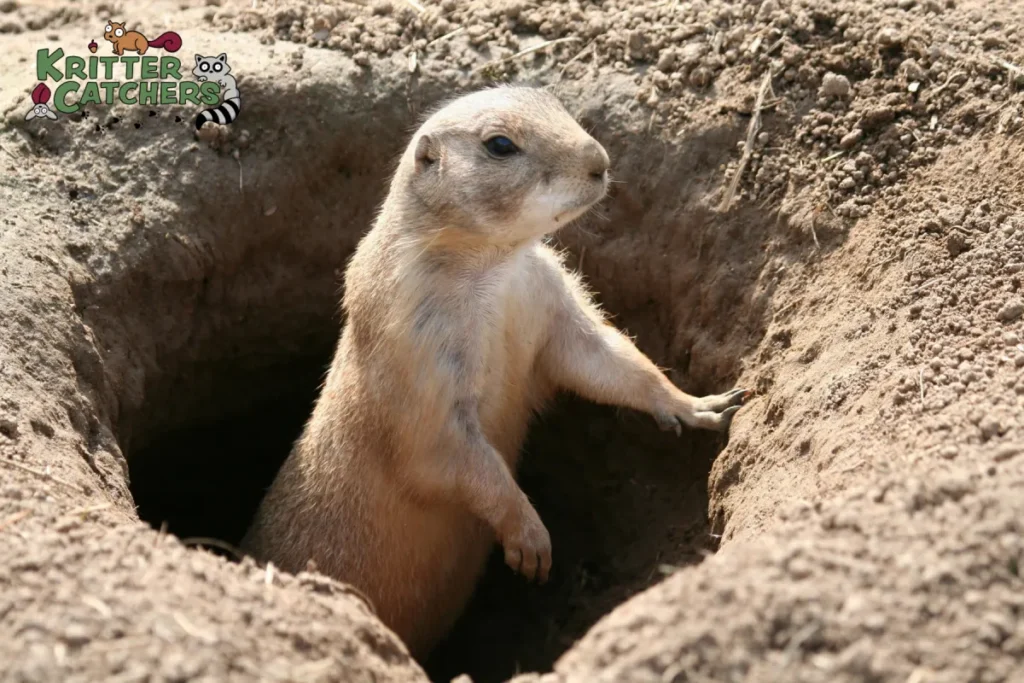
- Primary Entrance Mounds: Large dirt piles located near deck footings, shed bases, or garden borders indicate active digging zones.
- Secondary Escape Pockets: Almost every burrow system includes a concealed secondary exit hole hidden in tall grass or brush without an obvious dirt mound.
- Structural Undermining: Soil settling beneath concrete slabs, walkways, or porch steps shows that underground chambers are compromising structural support.
- Active Travel Corridors: Worn paths along fence lines and trampled garden vegetation point to primary feeding routes.
During a recent inspection for a property in Bloomfield, our team traced an extensive burrow system running beneath a wooden deck and rear patio slab. Identifying all entry points ensured that trapping efforts targeted the active pathways without leaving hidden escape routes unmanaged.
Method Comparison: Professional Humane Exclusion vs. Risky DIY Tactics
| Solution Parameter | Professional Exclusion Protocols | DIY Trapping & Fumigation Attempts |
| Wildlife Safety Profile | Stress-free capture using canvas-covered live cages | High risk of animal injury, dehydration, or trap panic |
| Structural Protection | Subterranean steel screening prevents future digging | Temporary; leaves open burrows available for new animals |
| Legal & Environmental Status | 100% compliant with state wildlife relocation laws | High risk of illegal dumping or non-target pet harm |
| Offspring Verification | Inspects burrows for dependent kits before sealing | High risk of trapping mothers and leaving young behind |
| Long-Term Success | Permanent structural exclusion via physical barriers | Low; animals dig around simple surface fill-ins |
The 4-Step Blueprint: From Initial Assessment to Permanent Protection
1. Burrow Network Mapping:
Technicians inspect foundation lines, deck skirts, and garden perimeters to locate all active openings. Motion cameras or tracking dust verify whether the burrow is actively occupied before deployment begins.
2. Targeted Live Capture:
Heavy-duty live wire-cage traps or double-door traps are placed directly along fence lines and travel runs. Traps are baited with fresh produce like cantaloupe or leafy greens to ensure quick, stress-free capture.
3. Stress-Reduced Transport:
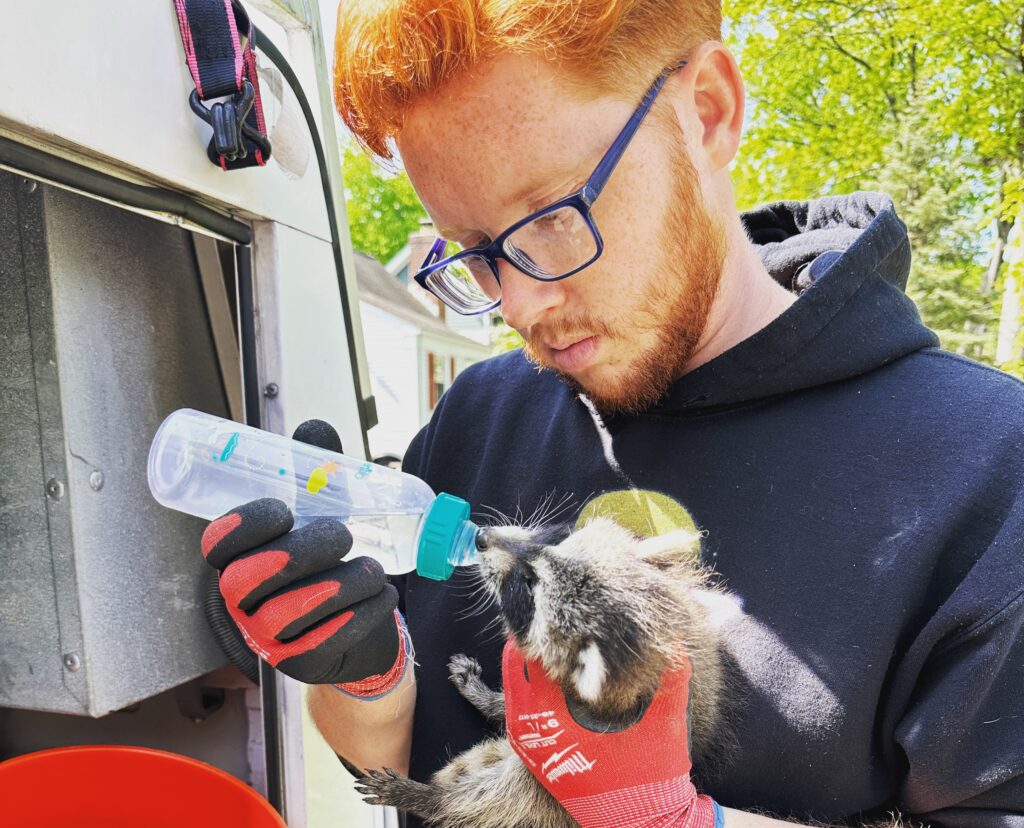
Captured groundhogs are immediately covered with breathable cloth covers to lower stress levels. Technicians safely transport the animal to approved release locations in accordance with state wildlife guidelines.
4. Subterranean Barrier Installation:
To prevent new animals from re-colonizing the empty burrow, an L-shaped galvanized steel mesh barrier is buried 12 to 18 inches underground with an outward bend along the structure’s footprint.
Applying Our Advanced Protective Framework to Solve This
At Kritter Catchers NJ, we resolve persistent burrowing challenges using reliable, non-lethal strategies designed to safeguard your home and outdoor spaces:
- Fencing, Using Repellents, and Modifying the Landscape: We reduce wildlife attractants around garden beds and decks by installing physical barriers, using repellents, and modifying the landscape to eliminate easy feeding spots.
- Humane Methods: Our team relies strictly on humane methods, ensuring groundhogs and other native animals are handled with care and respect throughout the entire capture and relocation process.
- Advanced Techniques and Equipment: We employ advanced techniques and equipment, including heavy-duty live capture cages, subterranean barrier trenchers, and specialized detection tools to address complex burrowing networks.
- Specialized Traps: Technicians strategically set specialized traps along confirmed travel corridors, ensuring efficient capture without risking injury to the animal or domestic pets.
- Patented Wildlife Exclusion Tunnel: Beyond traditional trapping, we utilize our patented Wildlife Exclusion Tunnel, an innovative device that allows groundhogs to exit underground burrows naturally while permanently blocking their re-entry.
Industry Myth: “Pouring Water or Ammonia Into Burrows Forces Groundhogs Away Permanently”
The Misconception: Many property owners believe that flooding a burrow with a garden hose or tossing chemical household cleaners down the hole will drive a groundhog away for good.
The Structural Reality: Groundhog burrows are multi-chambered networks extending up to 6 feet deep and 30 feet long, complete with elevated nesting platforms designed to handle heavy rainfall. Water simply absorbs into the surrounding soil without flushing the animal out. Chemical irritants like ammonia or mothballs fail because groundhogs quickly seal off the contaminated tunnel section with packed dirt and excavate a brand-new exit hole elsewhere in your yard.
Key Specifications & Exclusion Terminology
Subterranean Exclusion Barrier
Heavy-duty galvanized wire mesh buried vertically 12 to 18 inches underground with a 90-degree outward foot to prevent burrowing animals from digging underneath structures.
One-Way Exclusion Door
A specialized mechanical flap that allows animals to exit an underground burrow or building void but prevents them from pushing back inside.
Groundhog Kit Season
The spring breeding period (typically April through June) when female groundhogs give birth to dependent young inside underground nesting chambers.
Burrow Plunge Hole
A secondary, nearly vertical emergency exit hole dug by groundhogs, often hidden in tall grass or brush away from the main dirt mound.
Why Property Owners Require Professional Groundhog Removal
Left unmanaged, groundhog burrows can undermine concrete porch steps, sink patio pavers, and damage garden root systems.
During a routine audit for a residential home in Bloomfield, our technicians spotted a large burrow opening right beside a shed foundation. The soil underneath the concrete floor had washed out into the tunnel cavity, causing the shed frame to tilt. By deploying live traps, transferring the animal safely, and trenching an L-shaped steel mesh barrier along the shed perimeter, we permanently secured the structure.
Partnering with an experienced team for Bloomfield critter control ensures that every hidden exit hole and underground void is properly addressed. Licensed professionals manage wildlife challenges efficiently while protecting your garden and yard layout.
When burrowing pests disrupt your lawn or garden beds, securing trusted wildlife control in Bloomfield, NJ offers lasting peace of mind. Custom physical exclusion barriers stop new animals from reclaiming old underground tunnels year after year.
Working with a reliable Bloomfield wildlife removal specialist guarantees that all handling and relocation efforts conform fully with local environmental guidelines. Professional care keeps your outdoor living spaces secure and clean.
Investing in professional groundhog removal halts structural soil erosion before it leads to expensive foundation repairs. Non-lethal exclusion protects your home investment while respecting local wildlife.
People Also Ask
What happens if groundhogs are trapped during breeding season?
Technicians perform a thorough burrow audit to check for dependent kits before trapping. If young are present, one-way exclusion doors and physical barriers are timed appropriately to ensure mothers and kits remain unified.
Is it legal to relocate a trapped groundhog to a public park or forest?
Wildlife laws vary by state. Most jurisdictions require groundhogs to be released on approved private property with written permission, or relocated within specific mileage limits to prevent disease transmission and territorial conflict.
How do professionals prevent groundhogs from digging under a deck again?
Professionals install an L-shaped subterranean wire barrier along the entire perimeter. Steel mesh is buried 12 to 18 inches deep with a 12-inch outward bend, stopping digging animals in their tracks.
What bait works best for catching a groundhog in a live trap?
Fresh, sweet produce such as cantaloupe slices, sweet corn, peaches, and fresh lettuce work best. Traps are placed along active travel paths near burrow entrances for maximum effectiveness.
Protect Your Property Safely with Kritter Catchers NJ
At Kritter Catchers NJ, we are your professional, approachable, and community-oriented partner in wildlife management. We believe in providing transparent, honest services that prioritize safety for your family, customers, and the environment.
Our team offers highly personalized wildlife control solutions tailored to your property’s specific needs. From deploying specialized traps and subterranean barriers to utilizing our patented Wildlife Exclusion Tunnel, we deliver long-term results responsibly and effectively.
Ready to stop groundhog burrowing and protect your foundation humanely? Contact us to schedule your free consultation with Kritter Catchers NJ today!