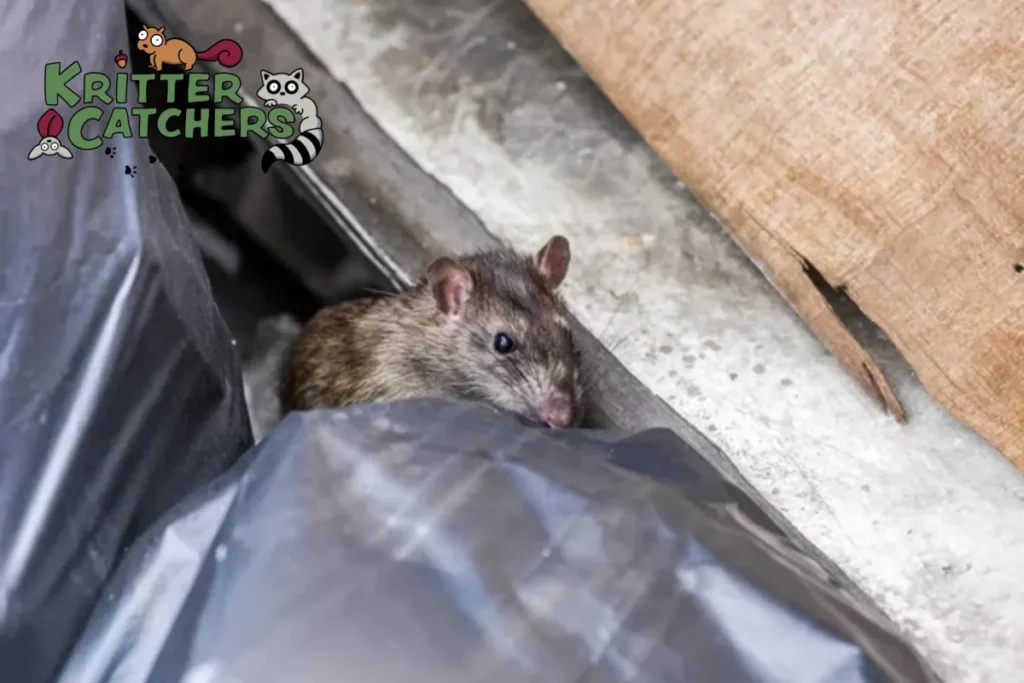
To perform a plumbing smoke test for rat entry points, a technician injects non-toxic artificial smoke into the drain-waste-vent (DWV) system using a specialized blower at a cleanout or roof vent. If rats have breached the pipes, the smoke will escape through hidden cracks, unsealed wall penetrations, or failed joints, visually pinpointing the exact “rat highway” used to enter your living space.
When standard traps remain empty, but the scratching in your walls persists, the problem is likely subterranean. Rats are world-class swimmers and gymnasts; they can navigate the complex labyrinth of sewer lines and enter a home through structural failures that are invisible to the naked eye. This is where high-pressure diagnostics become the essential tool for effective New Jersey wildlife control.
1. Why Smoke Testing is Essential for Rodent Diagnostics
Traditional inspections focus on the “envelope” of the house, checking the roof, the foundation, and the siding. However, a significant percentage of infestations are “sewer-connected.” Without a smoke test, an exterminator is essentially guessing at what lies behind your drywall or beneath your concrete slab.
For homeowners dealing with persistent issues, smoke testing offers the clarity no visual audit can match. It bridges the gap between plumbing and pest control, identifying infrastructure failures that allow a rodent to transition from the city sewer directly into your attic or kitchen.
Comparison: Smoke Testing vs. Traditional Inspection
| Feature | Plumbing Smoke Test | Visual Exterior Audit |
| Visibility | Pinpoints breaches inside wall voids and subfloors. | Only identifies exterior holes in siding or roof. |
| Detection Type | Infrastructure and sewer line failures. | Architectural and “envelope” gaps. |
| Accuracy | High smoke follows the exact air currents rats use. | Moderate; misses subterranean and slab entries. |
| Main Benefit | Solves “mystery” infestations with no exterior entry. | Prevents ground-level and tree-entry access. |
During a recent audit for a historic property in a quiet neighborhood, we found that despite a perfectly sealed exterior, smoke began pouring from an ornamental baseboard in the library. This revealed a long-forgotten “dead leg” pipe from a 1920s renovation that had never been capped, providing a literal front door for rats.
2. Step-by-Step Procedure for a Successful Smoke Test
At Kritter Catchers NJ, we don’t just “blow smoke.” We follow a rigorous protocol to ensure the entire system is pressurized without damaging your home’s plumbing.
Step 1: Isolation and Preparation
We begin by sealing the system. Using inflatable test plugs at the sewer cleanout, we ensure that the smoke is forced toward the home rather than drifting back into the municipal sewer main. We also notify the local fire department to ensure they are aware of the diagnostic test, preventing unnecessary emergency calls.
Step 2: Introduction of Non-Toxic Smoke
We connect our high-output blower to a primary roof vent stack or an exterior cleanout. The smoke used is a “dry” artificial vapor, safe for humans, pets, and even delicate electronics. It leaves no residue and carries no odor.
Step 3: System Pressurization
As the blower activates, we monitor the other vent stacks on your roof. Once smoke appears there, we know the system is full. We temporarily seal those vents, forcing the pressure to find any “unnatural” exits, such as a crack in a vertical stack or a failed wax ring under a toilet.
Step 4: The Systematic Walkthrough
Our team moves through the home with high-intensity flashlights. We check the “hot zones”: under sinks, behind toilets, in crawlspaces, and throughout the attic. The moment a wisp of smoke appears, we have our “X” on the map for targeted rat removal.
3. Applying our Proprietary “Vapor-Trace Diagnostic Suite” to Solve This
We have refined this process into our proprietary Vapor-Trace Diagnostic Suite. This isn’t just a test; it is a holistic approach to wildlife removal in New Jersey that combines engineering with biological expertise. Our suite incorporates the following core principles:
- In-Depth Inspections: We don’t stop at the smoke. We use the test results to launch a 360-degree investigation of why that specific pipe failed.
- Customized Treatment Plans: Every home is different. Whether you are in a modern build, we tailor the pressure and smoke density to your specific architecture.
- Use of Advanced Technology: Along with smoke generators, we utilize thermal imaging to detect the heat signatures of nesting rodents that may be clustered near the plumbing breaches we find.
- Safe and Humane Removal Techniques: Once the entry is found, we use our patented Wildlife Exclusion Tunnel. This allows any rats currently in the system to exit safely, but prevents them from ever getting back through the breach.
- Preventive Measures and Advice: We don’t just find the hole; we tell you how to keep it sealed. This includes Educational Outreach on why certain plumbing materials are more susceptible to gnawing.
- Ongoing Monitoring and Support: After the smoke test and subsequent repairs, our Responsive and Reliable Service continues with follow-up checks to ensure the “rat highway” remains closed for good.
4. Debunking the “Dry Trap” Myth
Myth: “Rats only enter through the plumbing if the P-trap is dry.”
The Reality: This is one of the most common misconceptions in the pest control industry. While a dry P-trap (where the water has evaporated) certainly provides an easy path, it is not a requirement for an infestation. Rats are incredible swimmers; they can hold their breath for up to three minutes and can easily dive through a fully hydrated toilet trap.
Furthermore, a smoke test often reveals that the rat isn’t coming through the water at all. Instead, they are exiting the pipe through a crack above the water line, usually in a vent pipe located inside your wall. If you are experiencing recurring issues despite running your water frequently, you likely have a structural breach that only a professional New Jersey wildlife removal specialist can find.
5. Top 3 Most Common Smoke Test Discoveries
Through years of performing these tests across various neighborhoods, we’ve found that three specific failures account for 90% of plumbing-related rodent entries:
- Failed Toilet Wax Rings: The wax ring provides a gas-tight seal between the toilet and the floor. Over time, these can dry out or shift. While they may not leak enough water to ruin your floor, they can leave a 1/4-inch gap, plenty of room for a young rat to squeeze through.
- Abandoned “Dead Legs”: During bathroom or kitchen remodels, contractors sometimes cut old pipes and “cap” them with duct tape or wood, then bury them behind new drywall. Eventually, the tape rots, leaving an open sewer pipe venting directly into your wall void.
- Corroded Cast Iron: In older homes, vertical vent stacks can rust from the inside out. This creates a “ladder” effect, allowing rats to climb the interior of the pipe and exit into the attic through a rusted-out hole at the top.
People Also Ask (FAQ)
Q: Is the smoke used in the test dangerous to breathe?
A: Not at all. We use a non-toxic, pharmaceutical-grade glycol- or mineral-oil-based smoke frequently used in theatrical productions. It is completely safe for your family and pets.
Q: How long does a smoke test take to complete?
A: A standard residential smoke test usually takes between 2 and 4 hours. This includes setup, pressurization, and a meticulous walkthrough of every floor in the home.
Q: Will the smoke stain my walls or furniture?
A: No. The “dry” smoke we use does not leave a residue or oily film. It dissipates quickly once we open the windows after the test.
Q: Can a smoke test find holes in the foundation?
A: While primarily designed for plumbing, if a plumbing leak is located under a slab foundation, the smoke will often travel through the soil and emerge from cracks in the floor, effectively identifying foundation-level entry points as well.
Your Trusted Partner in Wildlife Removal
At Kritter Catchers NJ, our personality is professional, approachable, and community-oriented. We understand the stress and “gross-out” factor of realizing pests are entering your home through the plumbing. We aim to be your trusted partner, ensuring you feel confident and secure in the solutions we provide.
Whether it’s an in-depth inspection or the use of our patented Wildlife Exclusion Tunnel, we are dedicated to protecting your home with care and efficiency. Our commitment to transparent and honest service means you’ll know exactly what we find and how we plan to fix it. We treat every home like our own, prioritizing safety for your family and the environment.
Ready to find the “hidden” entry points in your home? Don’t let a mystery infestation continue to disrupt your peace of mind. Contact us today for a consultation or inspection. Our team is standing by to provide the expert, humane, and reliable service that sets us apart.