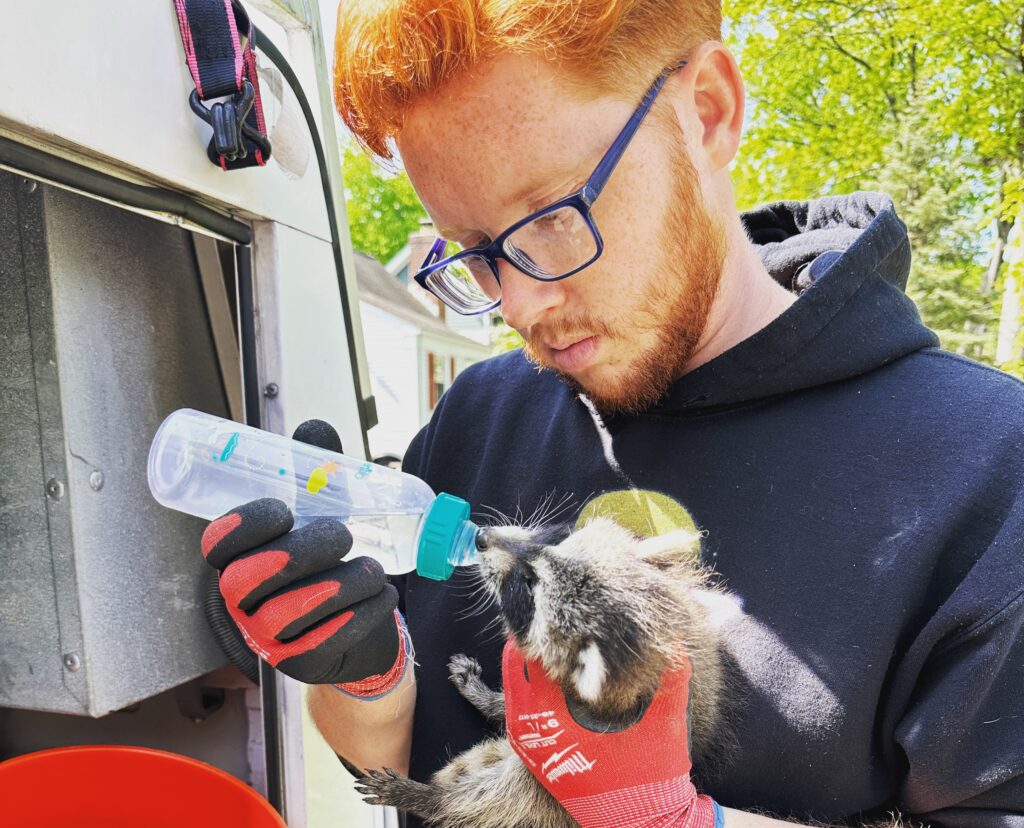

If you hear scratching at night, notice droppings in your insulation, smell unusual odors from above your ceiling, or see damage along your roofline, those are clear signs animals may be living in your attic. Common intruders include raccoons, squirrels, bats, and rodents. Identifying the warning signs early helps prevent structural damage, health risks, and fire hazards.
Wildlife activity is not uncommon in older homes throughout the area, especially during seasonal temperature changes. Many homeowners in Nutley first notice the issue through sounds or subtle changes inside the home.
Noises Coming From the Attic
Unusual sounds are often the first indicator that something is wrong.
Scratching or scurrying at night typically indicates the presence of rodents or squirrels. These animals are nocturnal, meaning they are most active when your home is quiet. Heavier thuds or dragging noises can indicate a larger animal, such as a raccoon. During spring, high-pitched chirping may mean babies are nesting in insulation.
If the sounds are consistent, the problem is unlikely to resolve on its own.
Physical Signs Inside the Attic
Even if you do not hear noise, visual evidence can confirm an issue.
Droppings are one of the most obvious indicators. Small pellet-shaped waste often points to rodents, while larger droppings suggest raccoons. Urine stains can soak into insulation and create strong odors that travel through the home.
Damaged insulation is another red flag. Animals flatten, tear, or move insulation to create nesting areas. This not only creates contamination but also reduces energy efficiency.
Chewed wires are one of the most serious risks. Rodents constantly gnaw to control tooth growth, and electrical wiring is a common target. Damaged wiring increases the risk of attic fires and should be addressed immediately.
Exterior Warning Signs Around Your Home
Entry points almost always leave evidence.
Lifted shingles, loose soffits, or small openings along the roofline often serve as access points. Rodents can squeeze through gaps as small as a quarter. Dark smudges near openings may indicate repeated entry and exit activity.
Tree branches hanging close to the roof also make access easier. During the colder months, animals actively seek warm shelter, making attics especially appealing.
Why Animals in the Attic Are a Serious Concern
Ignoring the issue allows damage to escalate quickly.
Wildlife can damage structural components, ductwork, and insulation. Over time, small issues turn into costly repairs. Contamination from droppings can impact indoor air quality, and parasites may be introduced into the home.
Fire hazards from chewed wiring remain among the most dangerous consequences of rodent activity. What begins as a minor nuisance can become a major safety risk.
What To Do If You Suspect an Attic Problem
The safest approach is to schedule a professional evaluation. Attempting to trap animals without identifying entry points can make the problem worse. Sealing openings before proper removal may trap animals inside walls or ceilings, causing odors and structural damage.
A thorough assessment typically includes identifying access points, determining the species involved, performing humane removal, sanitizing contaminated areas, and installing long-term exclusion measures.
If you are searching for Nutley wildlife removal, it is important to choose a company that focuses on humane methods and long-term prevention rather than temporary fixes.
Many homeowners look specifically for wildlife removal services in Nutley, NJ, when they begin hearing noises or noticing damage. Acting early helps reduce repair costs and prevents recurring problems.
A professional focuses not only on removal but also on preventing re-entry through proper exclusion systems.
Preventing Future Wildlife Issues
Prevention is key to long-term protection. Annual roof inspections, trimming branches away from the home, and reinforcing vent covers can significantly reduce risk. Working with a professional Nutley wildlife control provider ensures that exclusion methods are properly installed and designed for lasting results. Professional exclusion strategies provide the most reliable long-term solution.
About Kritter Catchers NJ
Kritter Catchers NJ proudly serves homeowners and business owners in Nutley and surrounding communities with professional and humane solutions. Our team is approachable, responsive, and committed to transparent service so you always know what to expect.
Our patented Wildlife Exclusion Tunnel sets us apart with a long-term prevention system that stops re-entry while prioritizing humane removal. Every property is different, which is why we tailor our approach to each client’s specific needs.
When you work with Kritter Catchers NJ, you gain a trusted local partner who protects your home responsibly and effectively. If you are experiencing attic issues, reach out today to speak with our team and take the next step toward resolving them.
Contact Our Team Today
If you suspect animals are living in your attic, do not wait for the damage to worsen. Early action helps protect your home, your health, and your property. Contact us today to schedule service and get professional guidance on the next steps.

FAQ: People Also Ask
What animals commonly get into attics?
Raccoons, squirrels, mice, rats, and occasionally bats are the most common attic intruders.
Is it dangerous to have animals in the attic?
Yes. Wildlife can cause structural damage, contaminate insulation, introduce parasites, and create fire hazards by chewing through wiring.
Will animals leave on their own?
In most cases, no. Once a nesting area is established, professional removal is typically necessary.
How much damage can attic wildlife cause?
Damage ranges from minor insulation disruption to serious electrical and structural repairs.
What is the safest way to remove wildlife?
Humane removal, combined with the complete sealing of entry points, is the safest and most effective long-term solution.