Sealing entry points prevents flying squirrels from returning after removal because these rodents utilize persistent olfactory pheromone trails that guide entire colonies back to established nesting sites. Without permanent physical exclusion barriers, empty attics remain highly vulnerable to immediate re-infestation by traveling family groups. Heavy-duty construction seals break this scent cycle and permanently block future entry pathways.
The Biological Urgency of Physical Exclusion
Flying squirrels present unique entry challenges compared to larger wildlife species, making professional exclusion work an absolute necessity following a successful trapping program. When a colony settles into an attic, they turn the space into a communal nesting zone, leaving behind biological signals that outlast the individual animals themselves. Securing a timely home inspection from a local team experienced in Montclair critter control ensures that these hidden attractants are identified before new pests discover them.
1. Pheromone Scent Overlap and Colonial Attraction
Flying squirrels are highly social rodents that live in large communal colonies. As they move through an attic, they leave behind thick scent trails of pheromones through their urine and scent glands. These chemical pathways remain active for years, acting as a permanent beacon for other wild squirrels in the area. Even if an attic is completely emptied of its current inhabitants, the remaining odor will draw nearby flying squirrels to the exact same spot.
2. High-Altitude Architectural Weakness
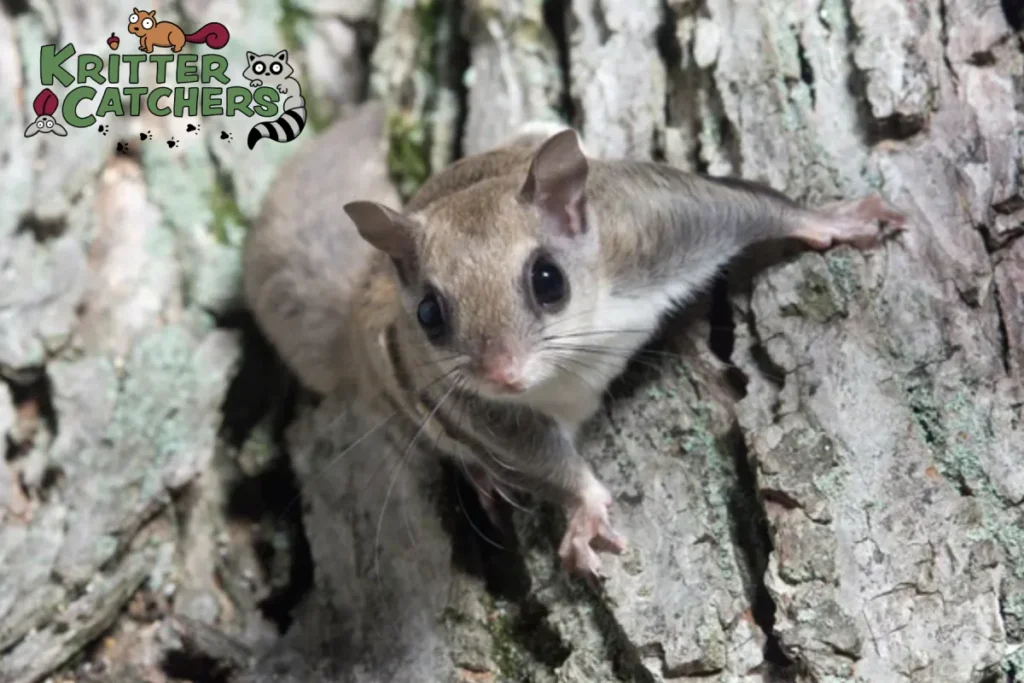
Unlike ground squirrels, flying squirrels utilize a specialized furry membrane called a patagium to glide from tree canopies directly onto rooflines. This allows them to bypass traditional ground barriers and target high-altitude vulnerabilities, including:
- Uncapped roof attic ventilation ports and open ridge vents.
- Deteriorated wooden fascia boards and unsealed eave corners.
- Gaps beneath aluminum ridge caps and roof valleys.
- Open construction junctions where rooflines intersect.
3. Rodent Dental Structure and Gnawing Dynamics
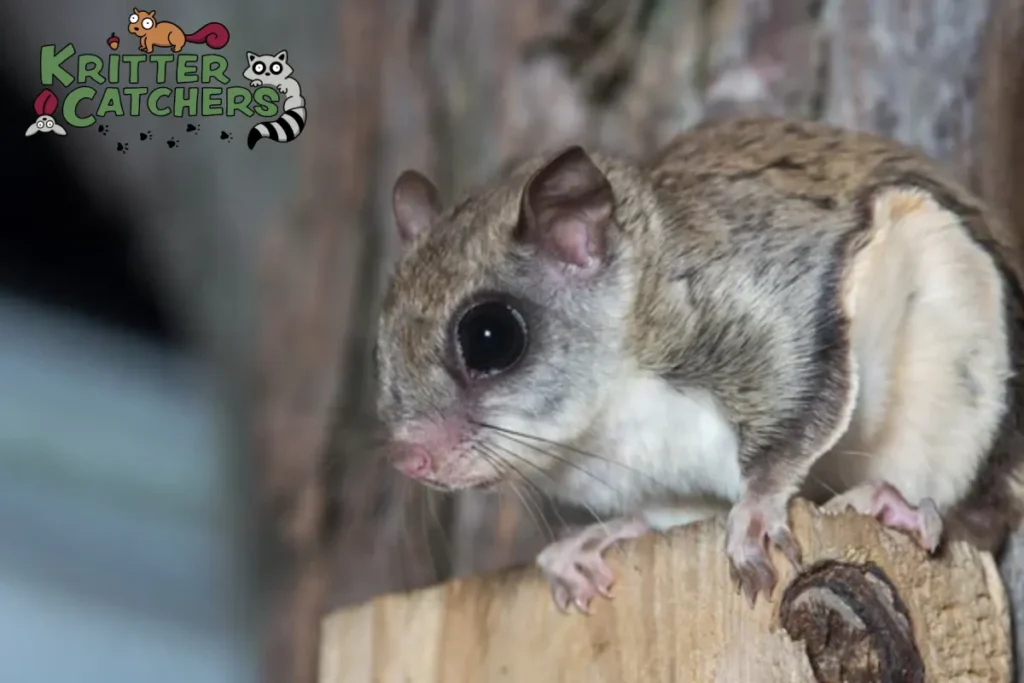
Because their front teeth grow continuously, flying squirrels can easily expand small structural gaps. A tiny gap the size of a quarter provides enough airflow and scent leakage to draw their attention. This prompts them to chew through soft wood, vinyl siding, or rotted builders’ gap materials until they gain full entry.
Architectural Vulnerability Matrix: Flying Squirrel Entry Tracks vs. Gray Squirrels
They use distinct structural pathways and entry points from those of common gray squirrels due to their small body mass and aerial movement patterns, making careful inspection essential for effective flying squirrel removal.
| Exclusion Metric | Flying Squirrel Structural Dynamics | Eastern Gray Squirrel Structural Dynamics |
| Minimum Entry Diameter | Requires a gap the size of a quarter (approximately 0.75 to 1 inch). | Requires a much larger opening (approximately 2.5 to 3 inches). |
| Primary Launch Platform | High-elevation tree canopies, mature branches, utility poles. | Low-level branches, telephone wires, jumping directly from fences. |
| Structural Target Zone | Roof peaks, ridge vents, soffit junctions, high fascia boards. | Eave corners, roof-return voids, crawlspace entries, downspouts. |
| Social Infestation Weight | Heavy; dozens of rodents often share a single attic void. | Light; typically solitary or limited to a single mother with young. |
| Exclusion Material Level | High-tensile woven wire fabric or custom steel flashing panels. | Heavy-duty steel hardware cloth or replacement fascia timbers. |
When dealing with these highly specialized structural entry paths, traditional backyard trapping methods are rarely enough to provide a long-term solution. Turning to professional critter control in Montclair ensures your home receives a thorough, high-elevation inspection that covers every architectural crevice from the roofline down to the foundation blocks.
Debunking the Myth: “Trimming Nearby Tree Branches Solves a Flying Squirrel Problem Permanently”
The Misconception: “Since flying squirrels glide from tall trees, cutting back all low-hanging branches within fifteen feet of your roof eliminates their ability to land on your home.”
This is a common misconception in wildlife management that underestimates the incredible aerial capabilities of these rodents. While trimming tree branches is a great general maintenance step, it will not stop flying squirrels from reaching an unprotected attic.
Flying squirrels can glide incredible distances, often up to 150 feet or more, from a sufficiently high starting point. They do not drop straight down; instead, they use an angled glide path that allows them to travel across open lawns from mature trees located far beyond your property line. Furthermore, if they land on your home’s exterior siding, brickwork, or corner trim, their sharp claws allow them to easily scale vertical walls up to the roofline. Property owners looking for dependable Montclair wildlife removal quickly learn that while tree maintenance helps, high-level construction seals are the only true defense against these persistent aerial invaders.
Applying Our Proprietary Exclusion Program to Solve This
At Kritter Catchers NJ, we act as your trusted, professional, and community-oriented partner in home protection. We do not believe in temporary fixes or reckless handling of local wildlife. Instead, we deliver transparent, honest solutions designed to help you feel completely reassured and at ease. Our team is fully licensed and insured, ensuring that your property is managed with the highest degree of safety and care. During a recent structural attic audit for a homeowner in Montclair, our field experts located an active nesting site hidden behind a damaged dormer casing, stopping an entire colony from reclaiming the space before the cold winter months arrived.
Innovative Wildlife Exclusion
We resolve persistent wildlife problems by combining advanced behavioral science with long-term mechanical blocks. Our process features our patented Wildlife Exclusion Tunnel, an innovative device that allows nesting animals to exit the structure safely and humanely while completely blocking them from re-entering. To ensure the initial population is managed responsibly, we deploy specialized humane trapping techniques when necessary, adapting our approach to the unique layout of your roofline.
Construction-Grade Structural Security
Once the rodents are safely out of the building, our focus shifts to sealing all exterior entry points. We use heavy-duty, chew-proof materials such as stainless steel mesh and structural flashing to seal micro-gaps. Our team takes the time to systematically go over your property, securing potential entry points such as construction junctions, soffit seams, and ridge vents so that traveling rodents cannot chew their way back inside.
Complete Environmental Recovery
A true wildlife solution requires full restoration of the affected spaces. We handle the vital process of cleanup and sanitization to remove droppings, damaged insulation, and pheromone scent trails that attract new colonies to your home. Finally, we provide targeted habitat modifications and offer clear advice on implementing landscaping strategies to reduce aerial access points and keep your entire property secure for years to come.
Specifications of Advanced Wildlife Exclusion Materials
- Galvanized Steel Hardware Cloth: Heavy-duty, rust-proof woven wire sheets packed behind ventilation louvers to block small teeth while allowing proper attic airflow.
- Polyurethane Construction Sealants: Industrial-grade, flexible adhesive layers used to bond metal flashing panels to rough brick or wood fascia surfaces permanently.
- Custom Ridge Cap End Guards: Precision-cut steel plates installed at the open ends of roof ridge vents to block entry across vulnerable roof creases.
- Enzymatic Bio-Washes: Specialized neutralizer solutions sprayed across historical insulation tracks to strip out persistent rodent pheromone odors.
People Also Ask (FAQ)
How small of a hole can a flying squirrel actually fit through to enter an attic?
Because of their flexible bone structure and small muscle mass, a flying squirrel can easily squeeze through a gap measuring just under one inch in diameter, roughly the size of a standard coin or quarter.
Will standard expandable foam sprays from a home improvement store keep squirrels out?
No. Standard aerosol expanding foam is soft and porous. Rodents can easily detect the air currents leaking through it and will chew through the foam within minutes to re-enter their historical nesting grounds.
How long do flying squirrel pheromone trails remain active inside an unsealed attic?
Rodent pheromone markers embedded in nesting materials and structural wood can remain chemically active for several years. Even if an attic sits empty for months, wandering colonies can catch the scent from outside and chew their way inside.
Is the Wildlife Exclusion Tunnel safe for the animals living in my roof?
Yes. Our patented Wildlife Exclusion Tunnel is designed to be completely safe and humane. It acts as a secure one-way exit, allowing the animals to leave naturally at night to forage, while gently preventing them from re-entering the building.
Reclaim Your Attic and Protect Your Home’s Value
Leaving historical entry gaps unsealed after wildlife removal turns your home into an open invitation for traveling rodent colonies. You deserve to feel confident, secure, and completely relieved that your home is in safe hands. At Kritter Catchers NJ, we take pride in offering highly personalized, eco-friendly services custom-tailored to your property’s unique layout. We are committed to outstanding results and neighborly service, ensuring your home is thoroughly protected from top to bottom.
Don’t let frustrating wildlife invasions or scratching noises in the ceiling disrupt your family’s peace of mind. Take a proactive step toward permanent structural security. Contact us today to schedule a free consultation or request a comprehensive structural inspection. Let our family take care of your home the right way.