Unwanted animals invading your home are more than just an annoyance; they can pose serious health risks. From spreading diseases to causing structural damage, these critters can create an unsafe environment for you and your family. Understanding these dangers can help you take proactive steps to protect your home and well-being.
Legal Implications of DIY Animal Relocation
Before you set out to trap and relocate animals, it is important to be aware of the legal restrictions involved. Many states and local governments have strict regulations governing the trapping and relocation of wildlife. In some cases, it is illegal for unlicensed individuals to handle certain species, and violating these laws can result in hefty fines or legal action.
For example, in many regions, species such as raccoons, squirrels, and bats are protected by state wildlife laws. Without the necessary permits and expertise, you could unknowingly violate regulations by trapping and relocating these animals. Furthermore, there are often specific guidelines for how animals should be handled and where they can be released to avoid disrupting local ecosystems. Without knowledge of these laws, you could inadvertently harm both the animal population and the environment.
Stress and Harm to the Animal
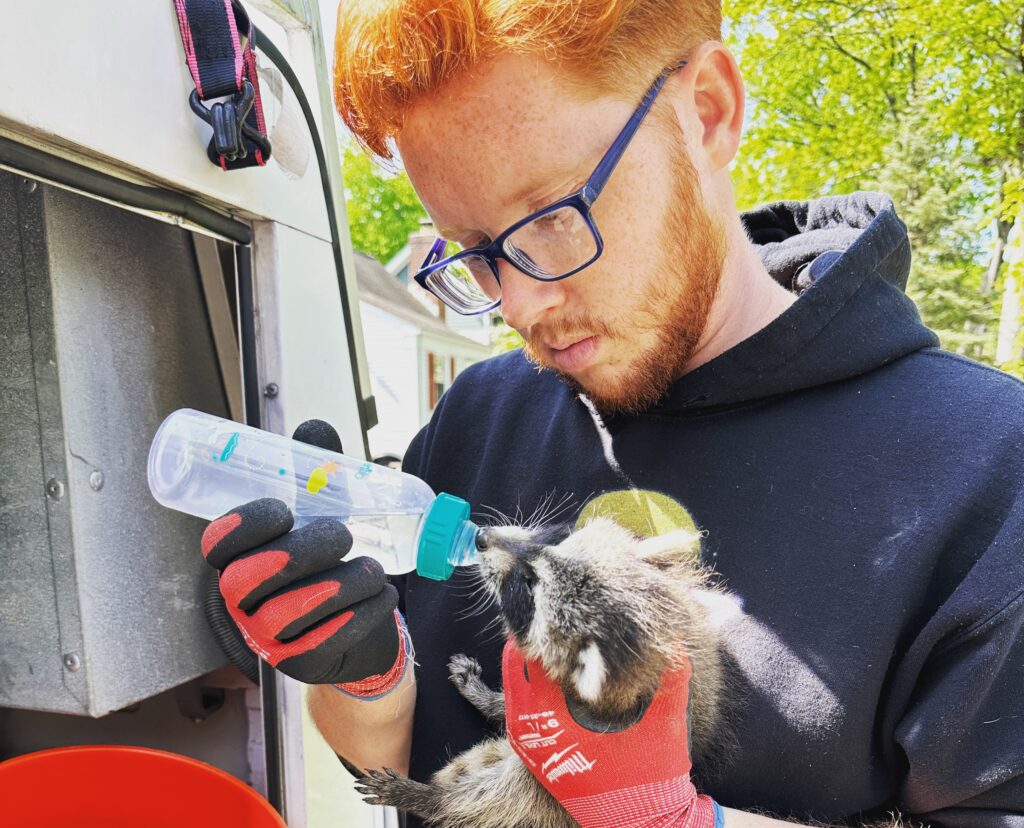
Trapping and relocating animals may seem like a compassionate solution, but it often causes undue stress and harm to the animals involved. Wild animals are highly territorial, and when they are trapped and moved to a new location, they are suddenly displaced from their familiar surroundings. This can lead to confusion, stress, and difficulty finding food and shelter.
In many cases, relocated animals do not survive long after being moved. They may encounter predators in unfamiliar environments, struggle to find food, or be unable to adapt to new territories. The animal’s well-being is often compromised by relocation, making this method of wildlife control inhumane.
Health Risks of Unwanted Animals in Your Home
Disease Transmission
Many animals carry diseases that can be transmitted to humans, either through direct contact, bites, scratches, or contaminated surfaces. Some of the most common diseases spread by unwanted pests include:
- Rabies – A deadly viral infection primarily spread by raccoons, bats, skunks, and foxes through bites or scratches.
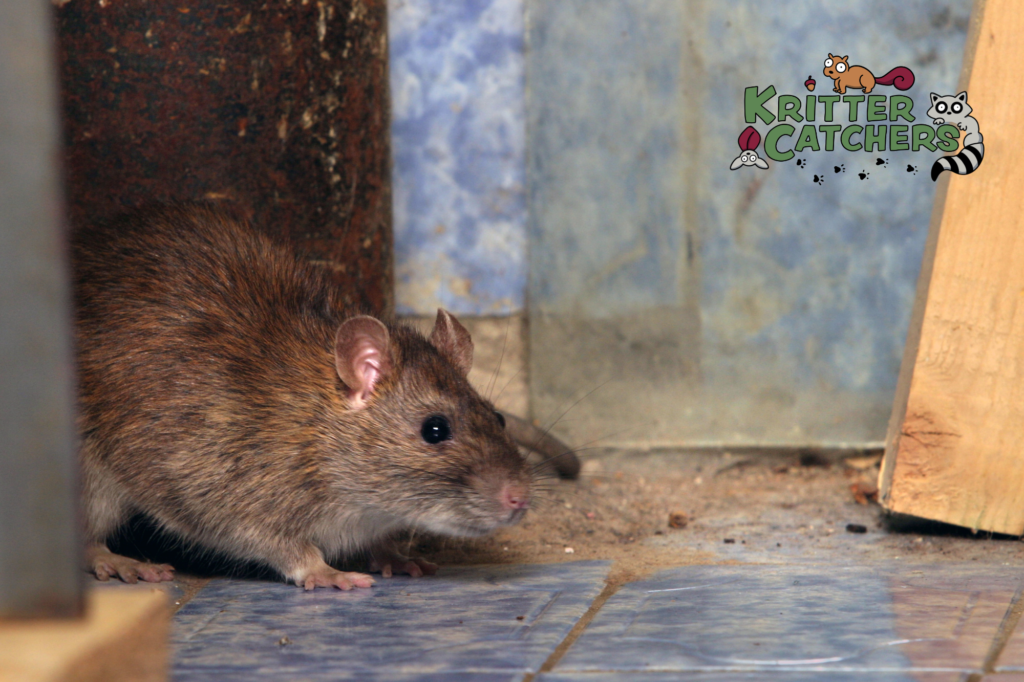
- Hantavirus – A severe respiratory disease transmitted through rodent urine, droppings, or saliva.
- Leptospirosis – A bacterial infection spread through contaminated water or soil, often carried by rodents.
- Salmonella – Found in the feces of rodents and some reptiles, this bacterium can contaminate food and surfaces.
These diseases can lead to severe health complications, such as breathing difficulties, high fever, and, in extreme cases, even death. The danger is particularly great for those with weakened immune systems, young children, and the elderly. If you’re dealing with a wildlife issue, professional critter control in Clifton, NJ can help protect your home and health.
Allergies and Respiratory Issues
Animal dander, fur, droppings, and urine can contribute to poor indoor air quality, triggering allergies and respiratory issues.
- Rodent Droppings – Dry droppings can break down into dust particles, which, when inhaled, can aggravate asthma and allergies.
- Bat Guano – Bat droppings can harbor spores of Histoplasma capsulatum, a fungus that causes histoplasmosis, a lung infection.
- Cockroach Allergens – Cockroach saliva and droppings are known allergens that can lead to asthma attacks, particularly in children.
If you’re dealing with unwanted wildlife in your home, professional Clifton critter control services can help eliminate these health risks and restore a safe living environment.
Parasites and Secondary Infestations
Unwanted animals often carry parasites, such as fleas, ticks, and mites, which can lead to additional infestations in your home. These pests can spread diseases such as Lyme disease (from ticks) and tapeworm infections (from fleas). Once these parasites establish themselves in your home, they can be difficult to eradicate without professional intervention.
Structural Damage and Fire Hazards
Chewing and Nesting Habits
Rodents and other small animals often chew through electrical wiring, insulation, and wooden beams, posing fire hazards and costly repairs. Some common issues include:
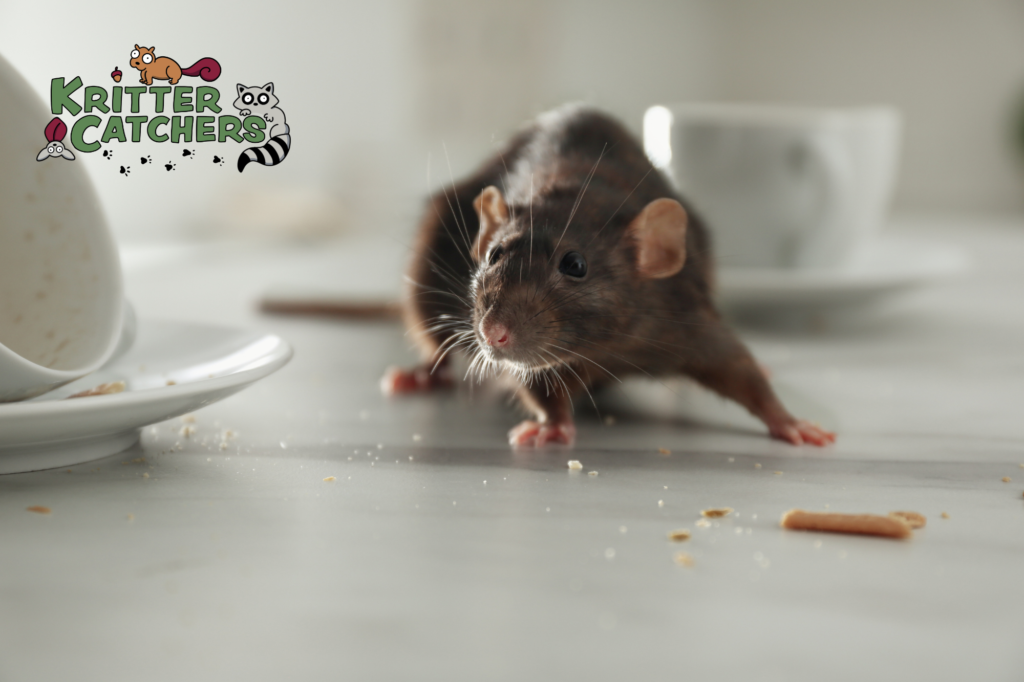
- Rodent Damage – Mice and rats gnaw on electrical wiring, increasing the risk of short circuits and house fires.
- Squirrel Nesting – Squirrels often build nests in attics and can cause damage by chewing on wooden structures and insulation.
- Bird Nesting – Birds can clog vents and gutters with their nests, leading to moisture buildup and mold growth.
Contamination of Food and Water
Pests can contaminate your food supply by chewing through packaging or leaving droppings and urine behind. Consuming contaminated food can lead to severe gastrointestinal illnesses, such as food poisoning. In some cases, rodents may even chew through plumbing pipes, leading to water contamination and leaks.
Prevention and Control
Seal Entry Points
Preventing animals from entering your home is the first step in protecting your health.
- Seal cracks, holes, and gaps in walls, roofs, and foundations.
- Install chimney caps and vent covers.
- Keep doors and windows closed when not in use.
Maintain Cleanliness
A clean home is less attractive to pests. Regularly dispose of garbage, store food in sealed containers, and eliminate standing water sources.
Professional Wildlife Removal
If you think your property has an animal infestation, it’s essential to seek professional assistance. Dealing with wild animals on your own can be risky and may not fully resolve the issue. Experts in wildlife removal in Clifton have the right skills, tools, and humane techniques to safely remove pests and prevent future infestations.
Relocation Often Fails to Solve the Problem
One of the main reasons homeowners attempt to trap and relocate nuisance animals is to prevent further damage to their property. However, relocation is rarely a permanent solution to wildlife problems. In many cases, new animals will move into the area once the original animal is removed, particularly if the conditions that attracted the animal in the first place, such as food sources or shelter, remain unchanged.
For example, if you have squirrels or raccoons nesting in your attic, simply trapping and relocating them will not prevent other animals from moving in. The entry points that allowed the animals to access your home will continue to attract wildlife unless they are properly sealed. Wildlife control experts can identify and address these vulnerabilities to prevent future infestations.
The Importance of Professional Wildlife Control
Given the numerous risks and challenges associated with DIY trapping and relocation, it is clear that professional wildlife control is the best solution for dealing with nuisance animals. Licensed wildlife control experts have the training, experience, and tools necessary to humanely and effectively manage wildlife problems.
Professional services not only ensure the safe removal of animals but also address the underlying issues that attract wildlife to your property. From sealing entry points to providing long-term solutions that prevent future infestations, wildlife control experts can offer comprehensive strategies to protect your home and property.
Frequently Asked Questions
What are the most common health risks from wildlife in homes?
Wildlife can spread diseases such as rabies, hantavirus, and salmonella, and can also trigger allergies and respiratory issues.
How do I know if I have a wildlife infestation?
Common signs include scratching noises, droppings, foul odors, damaged wiring, or animals entering and exiting your home.
Can I remove wildlife on my own?
DIY removal is not recommended due to safety risks and legal concerns. Professional services ensure safe and complete removal.
What animals cause the most damage to homes?
Rodents, squirrels, raccoons, and birds are known for causing structural damage and contaminating living spaces.
How can I prevent wildlife from entering my home?
Seal entry points, maintain cleanliness, secure food sources, and schedule regular inspections to reduce the risk of infestations.
Protect Your Home with Kritter Catchers NJ
At Kritter Catchers NJ, we specialize in humane and effective wildlife removal services in New Jersey. Our team is trained to handle a range of animal intrusions, from rodents to raccoons, ensuring your home remains safe and pest-free. Whether you need emergency animal removal or preventative measures, we are here to help. Contact us today to safeguard your home and health!
Protect your home and health today. Contact us today for safe, fast, and reliable wildlife removal solutions.
Learn more here:
Why You Should Never Trap and Relocate Animals Yourself