If you’ve noticed an unpleasant, lingering odor around your property, it could be a sign that a skunk has taken up residence nearby. Skunks are notorious for their powerful spray, which can quickly take over an area and cause distress for homeowners. Understanding skunk behavior, why they might be near your home, and what to do if you encounter them can help you manage this smelly situation effectively. For expert assistance, consider reaching out to Union County wildlife removal professionals.
Who Are Skunks?
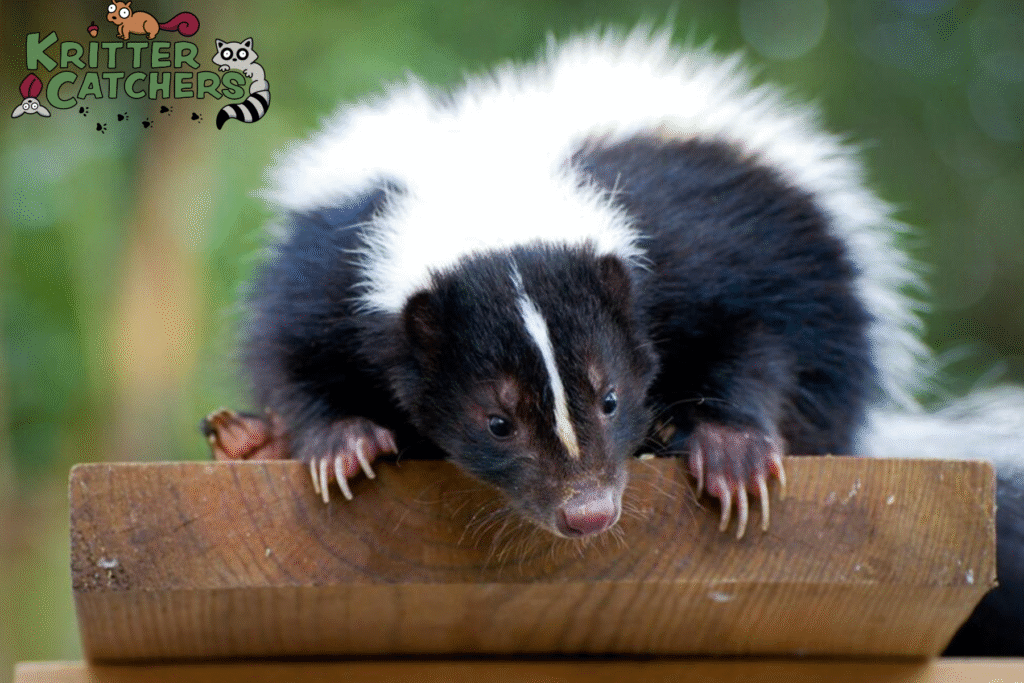
A skunk is a small to medium-sized mammal known primarily for its distinctive black-and-white coloring and its ability to spray a foul-smelling liquid when threatened. This spray is a powerful defense mechanism used to deter predators and protect themselves.
Native to North America, skunks are typically nocturnal and solitary creatures. They prefer habitats with a mix of open fields and wooded areas, but they are highly adaptable and often venture into suburban and urban environments, especially where food and shelter are available.
Why Are Skunks Near Your Home?
Searching for Food
One of the main reasons skunks approach human dwellings is the easy availability of food. Skunks are omnivores with a diet that includes insects, small rodents, fruits, berries, and even garbage. Outdoor pet food, compost piles, birdseed, and unsecured trash cans are all tempting sources for these opportunistic feeders.
Seeking Shelter
Skunks often look for safe places to nest and raise their young. Your home’s foundation, decks, sheds, woodpiles, or even crawl spaces can provide the perfect sheltered spot. Skunks dig shallow burrows or take over abandoned dens from other animals.
Seasonal Behavior
In spring and early summer, female skunks are especially active as they seek suitable denning sites to give birth and raise their kits. This can lead to increased skunk activity around residential areas during these months.
Signs You Have Skunks Nearby
The Distinctive Odor
The unmistakable skunk spray odor is the most obvious sign of their presence. The smell is caused by sulfur-containing chemicals called thiols, which are highly volatile and persistent. Even a single spray can linger for days or weeks if not properly treated.
Skunk Poop Smell
Another indicator that skunks are nearby is the skunk poop smell. Skunk feces are usually dark, tubular, and can emit a strong, pungent odor. These droppings are often found near burrows, shelter areas, or along the edges of gardens and lawns. The smell of skunk poop can be another sign of a nearby skunk presence.
Nocturnal Activity and Sightings
Skunks are mostly active at night, so spotting one during the day is uncommon and could indicate illness or injury. However, you may see signs of their activity such as overturned soil, dug-up lawns or gardens, and tracks in soft soil or mud.
Damage and Disturbances
Skunks dig holes in lawns or gardens in search of insects and grubs, which can damage your landscaping. They may also disturb compost piles or garbage areas in search of food.
Scratching Noises
Occasionally, you might hear scratching or rustling noises near your home, especially around sheds, decks, or crawl spaces where skunks might be nesting.
Why Skunks Can Be More Than Just a Nuisance
Health Risks
Skunks can carry diseases such as rabies, which is transmissible to humans and pets through bites or scratches. Rabid skunks may exhibit unusual behavior, such as daytime activity or aggression. They may also carry parasites like fleas and ticks, which can spread to your pets or family members. Additionally, their droppings can harbor bacteria that pose health risks.
Odor and Property Damage
The skunk spray is notoriously difficult to remove and can permeate outdoor furniture, walls, garages, cars, and even your home’s interior if the skunk sprays nearby or inside. Beyond their smell, skunks digging for food can damage your lawn, flowerbeds, and garden. They might also dig under decks or porches, weakening structures and creating entry points for other pests.
Safety Concerns
Because skunks are nocturnal and shy, most encounters are harmless. However, startled or cornered skunks will spray multiple times as a defense. This can result in distressing cleanup and lingering odors that affect your quality of life.
Skunk in Your Neighborhood: What to Do
If you’ve noticed a skunk in your neighborhood, it’s important to act quickly to prevent further issues. Skunks often travel and forage for food, and if one is nearby, more are likely in the vicinity. Here are some preventive measures: For expert help, contact Union County wildlife control to ensure effective skunk management and prevent future problems.
- Secure food sources: Remove outdoor pet food, secure trash cans, and eliminate compost piles.
- Seal entry points: Close gaps under decks, sheds, and crawl spaces.
- Reduce shelter options: Trim bushes, remove woodpiles, and keep your yard tidy.
How to Prevent Skunks Around Your Home
Secure Food Sources
Keep garbage cans tightly sealed and avoid leaving pet food outdoors overnight. Clean up fallen fruit and birdseed regularly, and use bird feeders designed to minimize seed spillage.
Block Access to Shelter Areas
Inspect your property for potential denning sites, such as openings under decks, sheds, or crawl spaces. Seal any gaps or holes with sturdy materials such as wire mesh or metal flashing to prevent skunks from settling in.
Maintain Your Yard
Remove brush piles, woodpiles, and debris that can serve as shelter. Keep your lawn trimmed and reduce insect populations by maintaining healthy soil, which decreases the food supply for skunks.
Use Lighting and Noise
Motion-activated lights or sprinklers can discourage skunks from approaching your property. Playing radios or other sounds near suspected denning sites may also encourage them to move along.
What To Do If You Encounter a Skunk Problem
If you detect the unmistakable odor or see signs of skunk activity near your home, it’s important to handle the situation carefully. Approaching or startling a skunk can provoke it to spray, making the problem worse.
Professional skunk removal specialists have the expertise and equipment to safely capture and relocate skunks without harm to the animal or your family. They also provide effective solutions for sealing entry points and preventing future visits.
Relying on experts for wildlife removal Union County NJ ensures compliance with local regulations and humane treatment. Professionals can also assist with cleanup and odor removal to restore comfort to your home.
Conclusion
Unusual, unpleasant smells around your home may be more than a minor nuisance; they could indicate the presence of skunks nearby. Understanding why skunks are attracted to residential areas, recognizing the signs of their presence, and knowing the potential risks can help you respond appropriately.
Taking preventive measures such as securing food sources, blocking shelter sites, and maintaining your yard is essential. If skunks become a problem, professional removal is the safest and most effective solution
About Kritter Catchers NJ
Kritter Catchers NJ is a trusted wildlife removal company serving Union County and the surrounding areas in New Jersey. Our licensed team specializes in humane skunk removal and comprehensive removal services. We focus on safely removing nuisance, sealing access points, and restoring your home to a safe and comfortable environment.
If you’re dealing with a skunk problem, don’t wait! Contact Kritter Catchers NJ for safe, humane skunk removal and expert wildlife control. Call us today!

FAQ: People Also Ask
What does skunk poop smell like?
Skunk poop smell is strong and unpleasant. It’s caused by their diet and can linger if not cleaned up properly.
How do I know if a skunk is in my neighborhood?
If you’re smelling skunk odor or noticing digging and disturbances in your yard, it’s likely a skunk is nearby. Look for overturned soil, damage to your lawn, or sightings of a skunk, especially at night.
How do I prevent skunks from entering my crawl space?
Seal any entry points under decks, sheds, or crawl spaces with durable materials such as steel mesh or flashing. This will prevent skunks from settling in.
What should I do if I see a skunk during the day?
If you spot a skunk during the day, it might be sick or injured. Avoid approaching it, and contact a wildlife removal specialist for assistance.