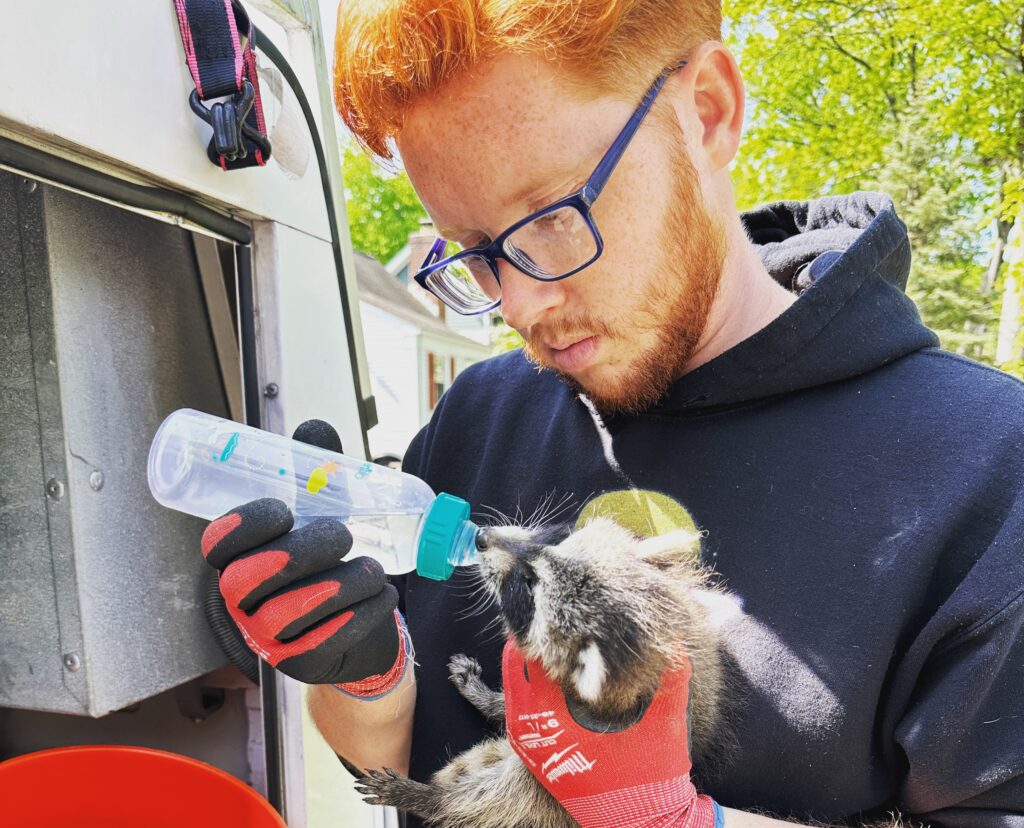

Wildlife encounters are becoming more frequent as urban development continues to expand into natural habitats. Animals like raccoons, squirrels, skunks, and bats often find their way into attics, crawl spaces, and even walls in search of shelter, food, or a safe place to raise their young. When this happens, homeowners face an important decision: how to remove the animal safely, effectively, and ethically. That’s where humane wildlife removal comes in.
The Wildlife Landscape in New Jersey
Nestled between bustling cities and serene natural reserves, New Jersey boasts a diverse wildlife landscape that contributes to the state’s ecological richness. From the bustling urban areas to the sprawling rural expanses, residents share their surroundings with an array of wildlife species, ranging from raccoons and skunks to deer and even black bears. While this vibrant mix of fauna adds a unique charm to the state, it also presents challenges, prompting the necessity for effective wildlife removal in New Jersey.
The Wildlife Removal NJ scenario becomes particularly relevant as certain species venture closer to human habitats, often causing conflicts and safety concerns. Residents may encounter issues such as property damage, potential health hazards, and the disruption of daily life due to the increasing proximity of wildlife. Understanding the intricacies of this coexistence is crucial in navigating the landscape and addressing the need for professional services focused on Wildlife Removal in New Jersey. As we explore the complexities of this dynamic ecosystem, it becomes evident that striking a balance between preserving the state’s wildlife and ensuring the safety of its residents is a delicate yet imperative task.
What Is Humane Wildlife Removal?
Humane wildlife removal refers to the ethical and responsible process of removing wild animals from residential or commercial properties without causing them harm. It emphasizes the use of non-lethal methods, proper relocation procedures, and preventative strategies to ensure the animals don’t return.
The core principles of humane wildlife removal include:
- Minimizing stress or injury to the animal
- Preventing the orphaning of dependent young
- Following all local and federal wildlife protection laws
- Using exclusion methods to prevent future intrusions
Unlike traditional pest control that may involve traps, poison, or extermination, humane removal methods prioritize coexistence and balance between humans and wildlife.
Understanding Wildlife Behavior
In the intricate tapestry of New Jersey’s wildlife, understanding the behavior of various species becomes a key factor in fostering harmonious coexistence. Wildlife, whether it’s the cunning raccoon or the graceful deer, operates within its own set of instincts and environmental cues. Recognizing these behaviors is essential, especially when considering the need for Wildlife Removal in New Jersey.
Many common wildlife species in the state exhibit specific patterns that may bring them into close proximity with human dwellings. Raccoons, for instance, are known for their adeptness in adapting to urban environments, while deer may venture into residential areas in search of food. This intersection of wildlife and human spaces can lead to conflicts and necessitate the implementation of effective Wildlife Removal NJ strategies.
Understanding wildlife behavior involves discerning the reasons behind their presence in specific locations and the potential risks associated with their proximity to human habitats. This comprehension is fundamental in devising humane and efficient wildlife removal approaches that not only address immediate concerns but also consider the long-term implications for both wildlife preservation and human safety in the diverse ecosystems of New Jersey.
Why Wildlife Enters Your Home
Animals don’t break into homes for fun; they’re driven by instinct. Most commonly, wildlife enters homes seeking:
- Warmth and shelter during cold or rainy seasons
- Safe nesting areas to raise their young
- Food sources, especially in garbage, pet food, or unsealed containers
Attics, chimneys, crawlspaces, and wall voids are ideal hiding places. If a structure provides easy access and security, animals are likely to move in and stay unless the issue is addressed.
The Risks of DIY or Inhumane Removal
While it might seem easy to set a trap or block a hole, DIY wildlife removal can backfire. Without understanding animal behavior or legal considerations, homeowners can inadvertently:
- Cause harm to the animal
- Separate mothers from their young
- Violate state or federal laws, especially if dealing with protected species like bats
- Create further property damage by forcing animals to find new entry points
Furthermore, traps and poisons can cause suffering, spread disease, or attract other pests if animals die in inaccessible areas of the home.
In contrast, Belleville wildlife removal professionals understand how to remove animals safely, humanely, and legally, protecting both the property and the ecosystem.
The Humane Wildlife Removal Process
Step 1: Inspection and Assessment
The first step in humane wildlife removal is a thorough inspection of the property. Technicians identify the type of animal, the extent of the infestation, entry points, and any damage caused. This also includes checking for offspring, nests, or contamination from droppings and urine.
Step 2: Safe and Non-Lethal Removal
Once the species and situation are identified, professionals use non-lethal techniques tailored to the animal. These may include:
- One-way exclusion doors that let animals leave but prevent re-entry
- Live traps with prompt relocation to a safe, legal release site
- Repellents or deterrents that encourage animals to leave on their own
This approach minimizes stress for the animal and prevents unnecessary suffering.
Step 3: Reuniting Families (When Necessary)
Special care is taken during breeding seasons. If young animals are found, the removal process ensures they are reunited with their mother. This often involves waiting until the mother returns, then sealing entry points after relocation.
Step 4: Exclusion and Repairs
After the animals are removed, the next step is to prevent future invasions. Professionals perform exclusion services, such as:
- Sealing holes and gaps in the structure
- Installing chimney caps and vent screens
- Repairing damage caused by chewing, nesting, or digging
This proactive approach ensures the problem doesn’t repeat.
Step 5: Cleanup and Sanitation
Animal waste, nesting materials, and contaminated insulation can create health risks. The final step involves safely removing debris and sanitizing affected areas to eliminate odors and pathogens.
Why Humane Wildlife Control Is the Better Choice
1. Protects Animal Welfare
At its core, humane removal recognizes that wildlife is a vital part of the ecosystem. Animals don’t invade homes out of malice; they do so to survive. Treating them with respect ensures their well-being while also avoiding unnecessary suffering.
2. Complies with the Law
Many wildlife species are protected by law, and improper handling can result in fines or legal penalties. Licensed wildlife removal in Belleville, NJ, understands the regulations and follows best practices.
3. Offers Long-Term Solutions
Unlike temporary fixes, humane wildlife control includes preventative measures. By sealing entry points and making the environment less attractive to animals, you’re less likely to face the same issue again.
4. Safer for You and Your Family
Wild animals can carry diseases such as rabies, histoplasmosis, and leptospirosis. They may also bite or scratch if threatened. Professionals use protective equipment and techniques to minimize risks during removal and cleanup.
5. Environmentally Responsible
Humane removal avoids the use of poisons or other harmful chemicals, which can affect pets, children, and non-target species. It’s a cleaner, greener solution for your home and the environment.
Challenges in Wildlife Removal
Embarking on the journey of wildlife removal in New Jersey unveils a spectrum of challenges that demand thoughtful consideration. At the forefront of these challenges lie the intricate legal and ethical considerations intertwined with the act of removing wildlife from human-inhabited areas. Striking a delicate balance between ensuring public safety and adhering to conservation laws becomes paramount in the context of Wildlife Removal NJ.
Furthermore, the environmental impact of various removal methods introduces another layer of complexity. As the state strives to preserve its diverse ecosystems, it becomes imperative to assess the consequences of wildlife removal on the broader environment. The delicate equilibrium of New Jersey’s flora and fauna requires a nuanced approach to prevent unintended repercussions while addressing the immediate need for wildlife removal.
In navigating the challenges of Wildlife Removal in New Jersey, professionals must grapple with ethical dilemmas, legal frameworks, and environmental sensitivities. This intricate dance between preservation and safety underscores the importance of employing well-informed strategies that prioritize both the well-being of the wildlife and the safety of New Jersey’s residents.
When to Call for Humane Wildlife Removal
If you notice any of the following signs, it may be time to call for Belleville critter control:
- Scratching or rustling sounds in the attic or walls
- Droppings, nesting materials, or unpleasant odors
- Damaged vents, soffits, or insulation
- Sightings of animals around your home during the day
- Unusual pet behavior (alertness, barking, or sniffing specific areas)
The sooner the issue is addressed, the easier and more humane the removal process will be.

FAQs: People Also Ask
1. What are the signs of a wildlife infestation in my home?
Look for scratching sounds in the attic or walls, droppings, nesting materials, and unpleasant odors. You might also see animals during the day.
2. Why should I choose humane wildlife removal?
Humane removal ensures the animal’s well-being while avoiding harm. It also complies with legal regulations and provides long-term solutions to prevent re-entry.
3. Can I remove wildlife from my home myself?
DIY wildlife removal can be risky and potentially illegal, especially with protected species. Professionals are trained to handle animals safely and humanely.
4. What is the best way to prevent wildlife from entering my home?
Seal entry points such as cracks in walls, vents, and chimneys. Install chimney caps and screen vents. Keeping trash sealed and food sources inaccessible also helps.
5. How much does wildlife removal cost in Belleville, NJ?
The cost varies depending on the type of animal and the extent of the infestation. Contact Kritter Catchers NJ for a detailed estimate and personalized service.
About Kritter Catchers NJ
Kritter Catchers NJ is your trusted partner in removal. We proudly serve Belleville, NJ, and the surrounding areas with ethical, safe, and environmentally sound wildlife solutions. Our team specializes in non-lethal, legal, and effective removal techniques to remove unwanted animals from your home or business.
Whether you’re dealing with raccoons in the attic, squirrels in the walls, or birds nesting in vents, our expert technicians will assess the situation, remove the animals humanely, and implement exclusion strategies to prevent re-entry. Contact us today for expert removal in Belleville, NJ, and protect your home from unwanted pests!
Other related blogs:
Kritter Catchers: Trusted Experts in Wildlife Removal
Wildlife Behavior in New Jersey 2024
Is Wildlife Intruding in Your Home? Recognize the Signs and the Need for Wildlife Removal