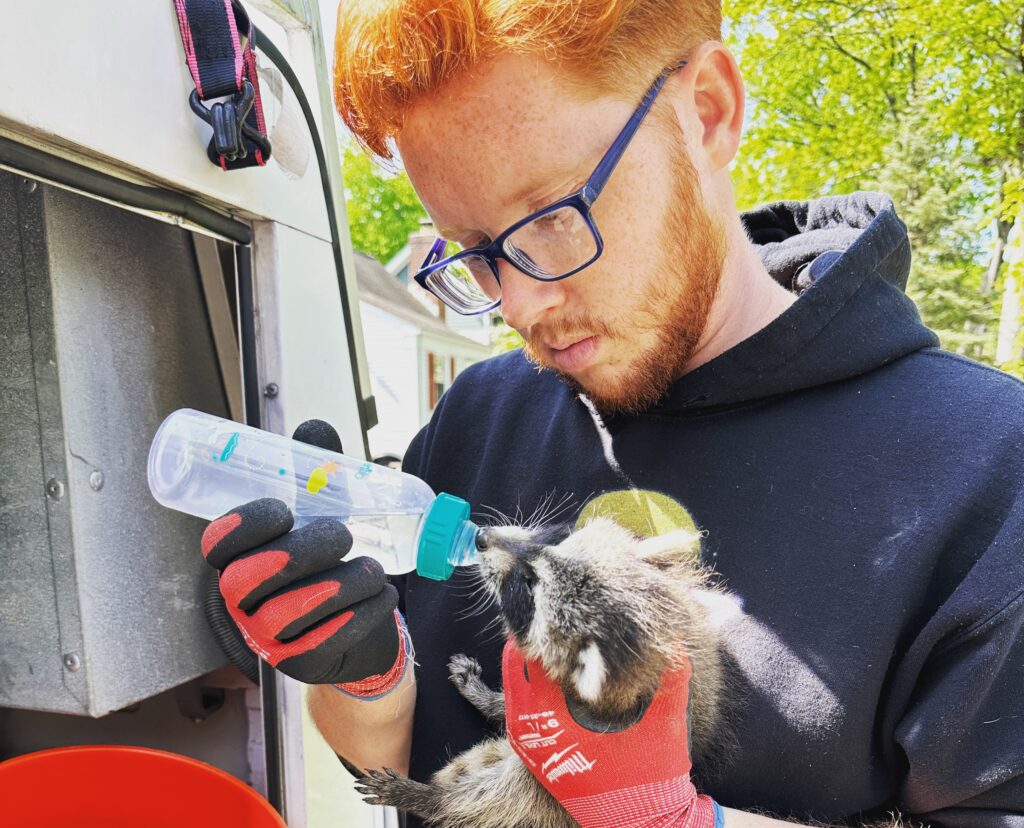

To safely remove a groundhog without harming it, deploy a live-capture cage trap baited with fresh greens, place it near an active burrow entry, and check it frequently. Once captured, relocate the animal according to local wildlife laws, then physically seal the empty tunnel network with wire mesh to prevent new groundhogs from moving in.
Groundhogs are highly efficient excavators capable of moving hundreds of pounds of dirt to construct complex underground tunnel networks. While these large rodents are visually distinct and a natural part of the local ecosystem, their subterranean digging habits pose major risks to residential properties. When a groundhog chooses to dig its home beneath a deck, porch, or concrete foundation slab, the shifting soil can compromise the structural integrity of your property, leading to costly cracks and foundation drops.
Resolving a woodchuck problem does not require resorting to cruel or aggressive measures. Property owners can safely manage these animals by understanding their biology, foraging habits, and territorial behaviors. By switching from temporary quick-fixes to a systematic, permanent approach, you can protect your lawns and structures while ensuring the animal is handled with the care it deserves.
The Safe and Humane Step-by-Step Removal Process
Successfully moving a groundhog away from a residential area requires a clear, methodical plan. Setting up equipment randomly on your lawn rarely works because these animals are naturally wary of changes in their environment. Following a step-by-step approach ensures you clear the threat without causing unnecessary harm or stress to the animal.
1. Identify Active Burrow Exits
Groundhogs dig extensive underground networks that typically feature a primary entry hole and several hidden escape exits. The main entrance is easy to find because it is almost always marked by a large mound of freshly dug soil, stones, and vegetation. Secondary holes, or bolt holes, are smaller, completely flush with the lawn surface, and usually lack a dirt pile because the animal digs them from the inside out. Before setting any equipment, track the groundhog’s daily movements to see which holes are currently active. Look for fresh paw prints, compressed paths in the grass, or recently chewed plants nearby.
2. Proper Live Trap Placement
Once you map out the active pathways, select a high-quality, live-capture wire cage trap. Place the trap on a completely level surface about five to ten feet away from the main burrow entrance. Groundhogs are extremely cautious around new metal objects. If you are handling a property assessment in Essex County, ensure the cage does not shake or rock when the animal steps near it, as any sudden movement will cause them to run back down their tunnel. Secure the enclosure firmly by placing a heavy stone or brick on top, and line the wire mesh floor with a layer of local dirt and grass to make it feel natural to their paws. This strategic setup is highly recommended whenever organizing professional groundhog removal efforts.
3. Select the Right Bait Strategy
Groundhogs are strict herbivores driven by a strong sense of smell, particularly for sweet, high-moisture foods. Many people make the mistake of using peanut butter or grains, which frequently attract non-target domestic pets or nocturnal wildlife. To ensure you catch only the target animal, use plant-based baits like diced cantaloupe, ripe strawberries, fresh peaches, or crisp clover leaves. Place the primary food source at the very back of the cage past the trigger pan, forcing the groundhog to walk fully inside. Leaving a tiny trail of fruit juice or small fruit bits just outside the cage door helps safely entice the animal forward.
4. Execute Prompt Relocation
Because groundhogs are active entirely during daylight hours and sleep underground at night, check the traps multiple times throughout the morning and afternoon. Leaving a wild animal trapped inside a wire mesh enclosure under direct sunlight causes rapid dehydration, dangerous heat stress, and severe panic. Once captured, carefully drape a large towel or breathable blanket over the cage to block their vision, which instantly helps calm the animal down. When handling critter removal in Essex County, NJ, always check the latest wildlife transportation boundaries to ensure the groundhog is safely released into an approved wooded environment away from residential zones.
Evaluating Your Options: Live Trapping vs. Natural Repellents
Choosing the right way to manage wildlife issues means comparing the long-term effectiveness of physical removal against standard deterrents.
| Management Feature | Humane Live Trapping | Commercial Natural Repellents |
| Primary Objective | Complete removal and relocation of the animal | Deterrence through unpleasant tastes or odors |
| Success Rate | High; physically removes the digging threat | Variable; groundhogs often get used to the scent |
| Property Protection | Immediate relief once the groundhog is moved | Temporary; requires constant reapplication after rain |
| Impact on the Burrow | Vacates the nest, allowing for structural repair | Leaves the tunnels intact for future pests to find |
| Animal Stress Level | Moderate (temporary confinement inside cage) | Low (creates mild avoidance behaviors) |
While natural repellent products like castor oil sprays, granulated garlic, or predator urine seem like simple solutions, they rarely yield permanent results. A determined groundhog will simply tolerate the unpleasant scent or dig a new secondary entrance a few feet away to bypass the treated lawn. Managing recurring burrowing issues across the region shows that physical capture combined with structural barriers is the most reliable path for Essex County wildlife removal.
Key Features of Commercial-Grade Safe Capture Equipment
Using the correct structural tools is essential to guarantee that neither you nor the animal sustains an injury during the eviction process. Professional equipment focuses on secure, rounded components rather than sharp or flimsy elements.
- Spring-Loaded Gravity Doors: Heavy-duty wire mesh gates triggered by an internal trip plate that close instantly, preventing a fast-moving animal from escaping once it touches the bait zone.
- Smooth Internal Mesh Edges: Rolled or smoothed interior seams designed to protect the groundhog from accidental abrasions if it panics inside the cage.
- Dual-Handle Protection Shields: Solid steel plates attached directly underneath the lifting handles to provide a secure physical barrier between your fingers and the animal during transport.
- Heavy-Duty Steel Base Plates: A reinforced lower pan that keeps the bait perfectly flat and prevents the groundhog from digging its claws through the bottom wire to break free.
Applying our Safe and Ethical Methods to Solve This
At Kritter Catchers NJ, we recognize that every residential property features a unique mix of soil conditions, landscape elevations, and vulnerable hardscaping. Pumping harsh chemicals into the earth or using dangerous deterrents can disrupt your local lawn ecosystem. Instead, our professional technicians focus on a highly tailored, humane approach that prioritizes the welfare of the animal while delivering permanent structural protection.
Our specialized process relies on a combination of advanced techniques and equipment to manage wildlife conflicts smoothly. When we visit a home, we deploy premium, professional trapping equipment designed to keep the animal calm and protected.
The real key to a permanent fix lies in securing potential burrow locations so that new pests cannot move in later. Once the target animal is safely relocated using our safe and ethical methods, we install our patented Wildlife Exclusion Tunnel and heavy galvanized wire mesh barriers deep into the soil line around your decks, sheds, and slab edges. This physical block ensures that future foraging animals cannot reopen the old tunnel network, providing true, long-lasting peace of mind. This field-tested approach makes our team a top choice for property owners seeking dependable Essex County critter control.
Debunking the Myth: “Shoveling Dirt Back Into the Burrow Entrance Will Force a Groundhog to Leave”
One of the most common misconceptions in home wildlife management is that you can get rid of a groundhog simply by shoveling dirt, rocks, or gravel back into their burrow entrance. Property owners often assume that if they repeatedly block the hole, the groundhog will eventually get frustrated, give up, and pack up its nest to move elsewhere.
In reality, groundhogs are evolutionary digging machines equipped with exceptionally dense muscle structures and razor-sharp curved claws. A dirt-filled hole is barely a minor inconvenience to them. If the animal is outside the burrow when you fill the hole, it will easily dig the entrance right back open within a matter of minutes. If it is inside, it will simply clear the path from the bottom up or quickly excavate a brand-new secondary exit hole a few feet away, creating even more damage to your lawn.
Furthermore, simply covering the opening leaves the massive underground void completely intact. Over time, rain and shifting earth will cause that empty tunnel network to collapse, leading to sudden sinkholes and unstable ground directly next to your porch, patio, or foundation walls. True, permanent protection requires physically removing the active animal first, followed by deep sub-surface exclusion work with professional wire mesh barriers to structurally seal the zone for good.

People Also Ask
Q: What should I do if I accidentally catch a skunk or an opossum instead of the groundhog?
A: Because groundhogs feed during the day on plants, using fruit-based baits like fresh cantaloupe reduces the chances of catching nocturnal meat-eaters. If you do catch a non-target animal, approach the cage slowly while holding a large sheet or towel in front of you to block their vision, gently drape it over the cage to keep them calm, and carefully release the door mechanism from behind the towel.
Q: Can a groundhog dig through a standard metal garden border or fence?
A: Yes, groundhogs are exceptionally strong diggers and can easily dig underneath typical fences and shallow garden borders. To block them out of a garden or away from a foundation wall, you must bury galvanized hardware cloth about twelve inches down into the dirt and bend the bottom out at a ninety-degree angle to stop the animal from digging underneath.
Q: When is the best time of year to handle a groundhog problem?
A: Early spring is the most effective window to address groundhog concerns. During this time, the animals emerge from hibernation, their burrow entrances are highly visible before spring plants grow thick, and they have not yet given birth to their young, making the removal process much less complicated.
Reclaim Your Lawn Safely and Responsibly
Protecting your lawns, vegetable gardens, and structural foundations from burrowing damage does not have to be a stressful or disruptive process. At Kritter Catchers NJ, we focus on providing reliable and efficient pest control solutions to our customers. We aim to be a trusted partner, ensuring that every customer feels confident and secure in the services we provide, whether it’s wildlife removal or exclusion methods. We are dedicated to protecting homes and businesses while maintaining a friendly and responsive presence in the community.
We believe in providing transparent and honest services, ensuring every customer knows exactly what to expect. Our commitment to customer satisfaction is unwavering, and we always prioritize safety both for our clients and the environment. Additionally, our patented Wildlife Exclusion Tunnel is a unique approach we believe sets us apart, and we’re committed to offering solutions that are humane and effective for wildlife control.
Take the next step toward a secure, peaceful yard today. Book an appointment today for a consultation or inspection. Let our family help yours regain peace of mind!