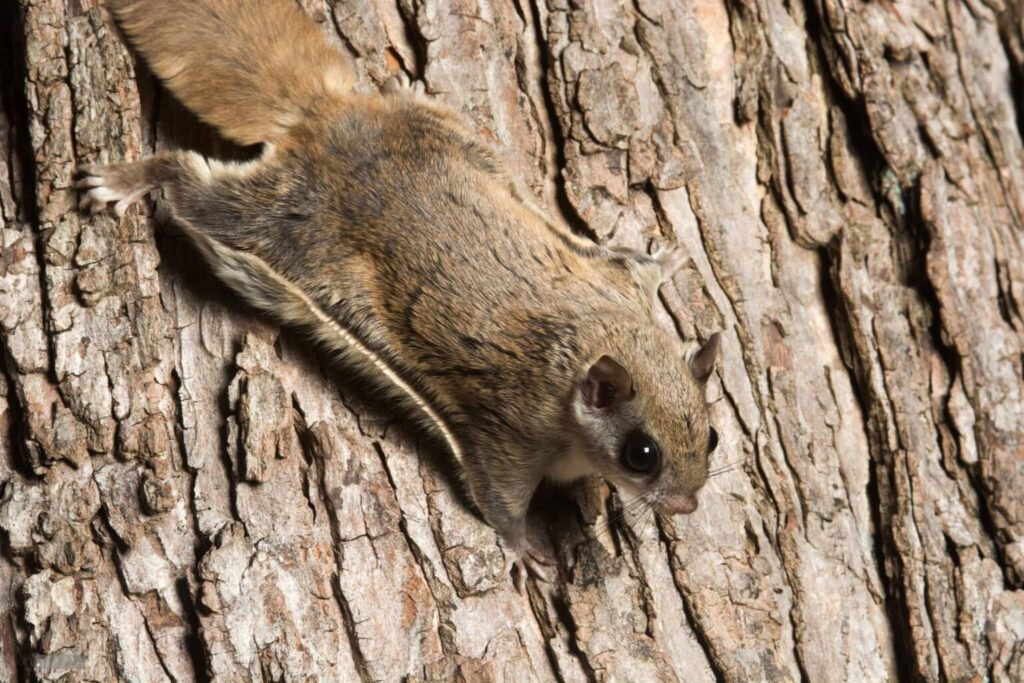
A flying squirrel is a small nocturnal rodent that glides from tree to tree using its skin flaps. While flying squirrels in NJ are fascinating in the wild, they can quickly become a nuisance when they invade attics, walls, and other parts of your home. Flying squirrel removal is essential to protect your property and prevent further damage.
If you suspect flying squirrels have taken up residence in your home, this guide explains how to identify the problem, safely remove them, and prevent future infestations with wildlife removal services.
5 Key Steps to Effective Flying Squirrel Removal in Essex County
1. Inspect Your Property for Flying Squirrel Activity
The first step in flying squirrel removal is to identify signs that these creatures have entered your home. Look for:
- Scratching or scampering sounds at night
- Chewed insulation, wood beams, or wires
- Tiny droppings or urine stains in the attic
- Acorns or nesting materials near vents
Early identification can help you take action before the damage becomes severe. If you see these signs, it’s time to contact wildlife removal Essex County NJ experts for assistance.
2. Conduct a Thorough Inspection by a Professional
Professional wildlife control experts will inspect your attic, walls, and exterior structures to determine the extent of the infestation. They’ll also identify entry points to ensure all areas of vulnerability are addressed during the flying squirrel removal process.
3. Use One-Way Exclusion Devices
One-way exclusion doors are commonly used in Essex County wildlife control to allow squirrels to exit but prevent re-entry. This humane method ensures no harm comes to the animals and solves your squirrel problem without causing permanent damage.
4. Seal All Entry Points
Once the squirrels have been removed, sealing the entry points is essential. Professionals will use chew-proof materials, such as metal flashing or galvanized mesh, to seal all gaps and holes in your attic, vents, and roofline.
5. Install Habitat Redirection Solutions
Encourage flying squirrels to nest outdoors by installing squirrel boxes in nearby trees and planting native shrubs or nut-bearing plants. This helps redirect their natural behavior and keeps them away from your home.
The Hidden Impact of Flying Squirrels in Your Essex County Home
While flying squirrels may seem harmless, their presence in your home can cause significant damage:
1. Structural and Fire Damage
Flying squirrels continuously gnaw on materials to maintain their tooth growth. This behavior often damages electrical wiring, insulation, and wooden beams, increasing the risk of fire hazards and energy inefficiency.
2. Health and Sanitation Risks
Flying squirrels carry bacteria and parasites, and their droppings can cause respiratory problems and allergies. Accumulated waste in your attic can cause unpleasant odors and compromise indoor air quality.
3. Environmental Disruption
When flying squirrels in NJ are forced from their natural habitats by urbanization, they displace local wildlife and disrupt the ecosystem. This makes humane flying-squirrel removal crucial to maintaining ecological balance.
Why Essex County Homes Are Vulnerable to Flying Squirrel Infestations
Essex County wildlife removal experts often find that the region’s combination of mature trees, wooded areas, and older homes with easy attic access makes it a prime location for flying squirrel invasions. Common entry points include:
- Gaps in rooflines, eaves, and vents
- Open chimney caps
- Unsealed soffits and attic fans
If your home is near wooded areas like South Mountain Reservation or Eagle Rock Park, the likelihood of a flying squirrel infestation is even greater.
Steps to Prevent Future Flying Squirrel Problems in Essex County
To prevent flying squirrel infestations in the future, follow these steps:
- Trim tree limbs at least 10 feet away from your roof to prevent squirrels from gaining access to your attic.
- Seal all vents, soffits, and attic openings with heavy-duty mesh to prevent squirrel entry.
- Store food securely to avoid attracting flying squirrels to your home.
- Clean gutters and rooflines regularly to prevent them from becoming nesting sites.
- Schedule annual wildlife inspections, especially before winter, to detect early signs of flying squirrels in NJ.
Real Story: Humane Flying Squirrel Removal in Essex County
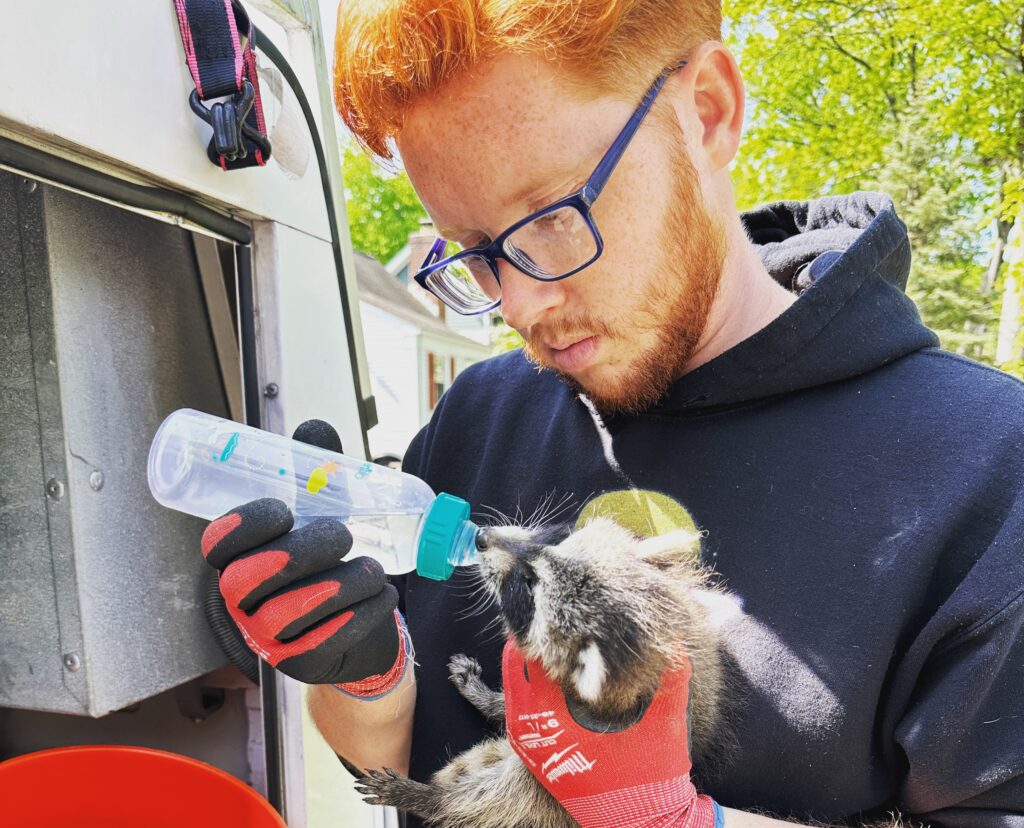
“We were dealing with a serious flying squirrel issue in our attic. After calling several companies, we chose Kritter Catchers because of their humane approach. They removed the squirrels safely and took extra care to ensure a baby squirrel didn’t get left behind. I’m so grateful for their professionalism!”
— Pookey Preston, Montclair, NJ
This story highlights Kritter Catchers’ commitment to humane flying-squirrel removal and dedication to providing excellent wildlife-control services.
Essex County Wildlife Removal You Can Trust
When it comes to wildlife removal in Essex County, NJ, Kritter Catchers provides:
- Licensed and insured technicians
- Humane exclusion and relocation practices
- Eco-conscious cleanup and repair
- Fast, discreet response across Essex County communities
Whether you’re dealing with flying squirrels, raccoons, bats, or other nuisance wildlife, our team delivers safe, lasting results for your home.
Call to Action: Protect Your Essex County Home Today
Don’t wait until the scratching keeps you up at night. Call Kritter Catchers NJ for fast, humane wildlife removal in Essex County, NJ. Our licensed experts offer safe, eco-friendly solutions to protect your home, family, and local wildlife.

Call us today to schedule your inspection or request emergency wildlife removal.
FAQs About Flying Squirrel Removal in Essex County
Q: How do I know if I have flying squirrels in my attic in Essex County?
A: Common signs of flying squirrels in your attic include soft scratching or scampering sounds at night, chewed insulation or wood beams, tiny droppings or urine stains, and nesting materials such as acorns found near vents. If you notice these signs, it’s time to call a professional for flying squirrel removal.
Q: Is flying squirrel removal in Essex County humane?
A: Yes, Kritter Catchers NJ specializes in humane flying squirrel removal. We use one-way exclusion devices to allow squirrels to exit while preventing their return. Our methods ensure the safety and well-being of the animals during the removal process.
Q: Can flying squirrels cause damage to my home?
A: Yes, flying squirrels can cause significant damage to your home. They gnaw on electrical wiring, insulation, and wooden beams, increasing fire risk and reducing energy efficiency. Their droppings can also contribute to health and sanitation risks, including respiratory issues.
Q: How can I prevent flying squirrels from returning to my home?
A: To prevent flying squirrels in Essex County from returning, seal all entry points, such as gaps in rooflines, vents, and soffits. Additionally, trim tree limbs that are too close to your roof and regularly inspect your attic for signs of new activity. Professional wildlife removal experts in Essex County, NJ, can provide long-term solutions
Q: What should I do if I hear scratching noises at night?
A: Scratching noises at night could indicate the presence of flying squirrels or other wildlife in your attic. It’s important to act quickly and contact a professional wildlife control service, like Kritter Catchers NJ, to inspect your property and safely remove the animals before further damage occurs.
Q: Are flying squirrels dangerous to my family?
A: While flying squirrels are generally not aggressive, they can pose health risks. They may carry diseases such as rabies and parasites, including ticks, which can transmit Lyme disease. It’s important to have them safely removed to reduce health and safety risks to your family.