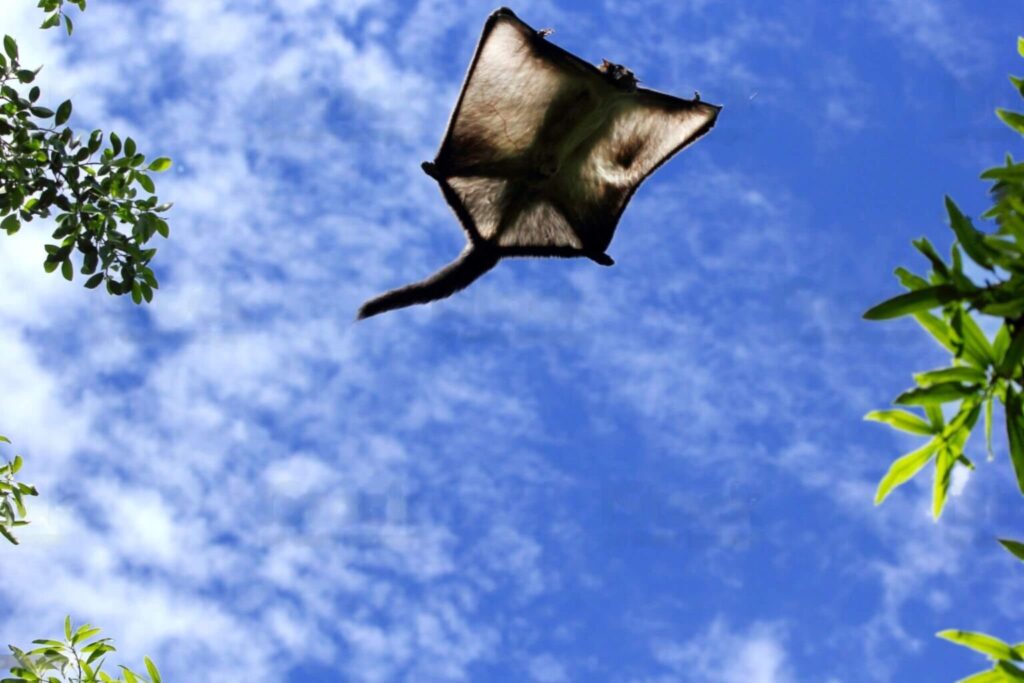
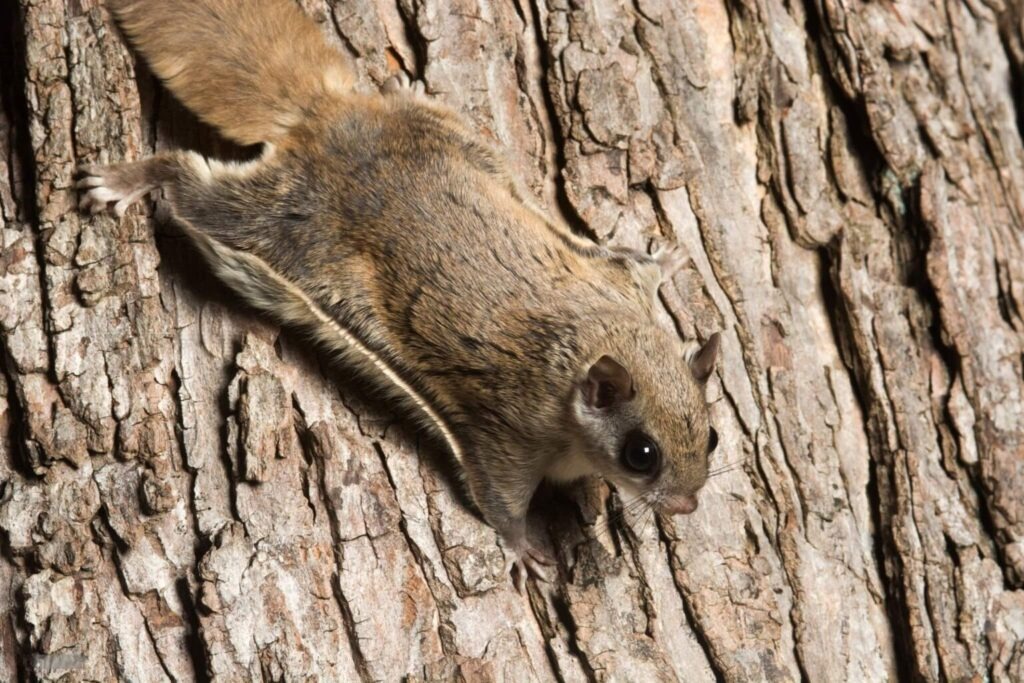
A flying squirrel is a small, nocturnal rodent known for its gliding ability. While flying squirrels in NJ are a natural part of the ecosystem, when they invade homes, they can cause significant damage and create safety risks. Flying squirrel removal is essential to protect your home and family.
In Essex County, NJ, wildlife removal services can help you address these pests while following humane wildlife control methods.
5 Key Elements of Effective Flying Squirrel Removal in Essex County
To handle flying squirrel removal effectively, follow these steps:
1. Early Detection
Identifying flying squirrel activity early helps prevent costly damage. Signs include:
- Scratching or scampering sounds at night
- Chewed wood, insulation, or wires
- Droppings in attics or walls
- Nests or acorns near vents or chimneys
2. Professional Inspection and Identification
A professional inspection ensures a thorough assessment of the squirrel infestation. This includes:
- Identifying entry points and activity
- Determining the extent of damage
- Developing a removal plan
3. One-Way Exclusion Devices
One-way doors are a humane method for removing flying squirrels. These devices allow squirrels to exit but prevent re-entry. This is essential in Essex County critter control to ensure that the issue is resolved.
4. Structural Sealing
After removal, seal any entry points with chew-resistant materials such as:
- Galvanized steel mesh
- Metal flashing
- High-grade sealants
This prevents squirrels from finding new ways to access your home.
5. Ongoing Monitoring and Prevention
Prevent future infestations by:
- Trimming tree branches at least 10 feet away from your roof
- Cleaning gutters and sealing vents
- Scheduling annual Essex County wildlife removal inspections
The Hidden Impact of Flying Squirrels in Your Home
While flying squirrels may seem harmless, their presence in your home can cause significant damage:
1. Structural and Fire Damage
Flying squirrels continuously gnaw on materials to maintain their tooth growth. This behavior often damages electrical wiring, insulation, and wooden beams, increasing the risk of fire hazards and energy inefficiency.
2. Health and Sanitation Risks
Flying squirrels carry bacteria and parasites, and their droppings can cause respiratory problems and allergies. Accumulated waste in your attic can cause unpleasant odors and compromise indoor air quality.
3. Environmental Disruption
When flying squirrels are forced from their natural habitats by urbanization, they displace local wildlife and disrupt the ecosystem. This makes humane flying-squirrel removal crucial to maintaining ecological balance.
Why Flying Squirrels Are Common
Essex County wildlife removal services often handle flying squirrels because of the area’s abundance of mature trees, parks, and older homes with easy attic access. Areas like Montclair, Maplewood, and Livingston provide ideal habitats for these animals.
Flying squirrels in NJ can easily glide from trees to roofs, entering homes through:
- Gaps in rooflines and soffits
- Open chimneys or vents
- Loose siding and attic fans
The Risks of Flying Squirrels in Your Home
While flying squirrels in Essex County may seem harmless, they can cause significant damage:
- Electrical hazards from chewed wiring
- Fire risks from damaged insulation
- Health concerns from droppings that can carry bacteria and parasites
- Property damage from gnawing on wooden beams and insulation
Legal and Ethical Considerations for Wildlife Removal
New Jersey’s wildlife removal in Essex County, NJ services must follow state laws to ensure humane and safe flying squirrel removal. These laws:
- Prohibit the trapping or killing of flying squirrels without proper licensing
- Require humane exclusion and relocation methods
- Ensure protection for local ecosystems
At Kritter Catchers, we strictly adhere to these regulations, ensuring that your home is protected while we follow the best practices in Essex County wildlife control.
Typical Costs for Flying Squirrel Removal
The cost of wildlife removal in Essex County, NJ, varies based on the extent of the infestation and the property size. On average, you can expect:
- Inspection: $100–$200
- One-way exclusion setup: $250–$500
- Full exclusion and repairs: $500–$1,000+
- Follow-up visits: Often included in service plans
These costs reflect the complexity of flying-squirrel removal and help ensure long-term prevention of further damage.
Preventing Future Flying Squirrel Infestations
To keep flying squirrels from returning, it’s important to implement these preventive measures:
- Seal entry points using durable, chew-resistant materials.
- Trim tree branches that are too close to your roofline.
- Store food securely to prevent attracting squirrels.
- Clean gutters regularly to remove nesting materials.
- Schedule annual inspections to catch any potential issues before they become major problems.
Wildlife Removal You Can Trust
When it comes to wildlife removal in Essex County, NJ, Kritter Catchers provides:
- Licensed and insured technicians
- Humane exclusion and relocation practices
- Eco-conscious cleanup and repair
- Fast, discreet response across Essex County communities
Whether you’re dealing with flying squirrels, raccoons, bats, or other nuisance wildlife, our team delivers safe, lasting results for your home.
Frequently Asked Questions (FAQ)
Q: What are the most common signs of flying squirrels in my home?
A: Look for scratching sounds at night, chewed insulation, droppings in the attic, or gnawed wood near entry points.
Q: Are flying squirrels dangerous to people or pets?
A: While not aggressive, flying squirrels can carry diseases and parasites, such as ticks, that may pose risks to humans and pets. They can also cause electrical damage and fire hazards.
Q: Can I remove flying squirrels myself?
A: DIY removal is not recommended. Flying squirrel removal requires proper licensing and humane methods. It’s best to contact a professional for Essex County wildlife removal.
Q: Do flying squirrels return after removal?
A: If entry points are not sealed correctly, flying squirrels may return. Kritter Catchers provides full exclusion and follow-up inspections to prevent re-entry.
Q: How much does flying squirrel removal cost in Essex County?
A: The cost varies, but typical services range from $100 for an inspection to $1,000+ for full exclusion and repairs, depending on the severity of the infestation.
Why Choose Kritter Catchers for Essex County Wildlife Control
Kritter Catchers NJ is Essex County’s trusted partner in wildlife removal. We are:
- Licensed and insured
- Experts in humane wildlife control and flying squirrel removal
- Committed to eco-friendly methods and animal welfare
- Responsive and quick, ensuring your home is safe from wildlife
Whether you’re dealing with flying squirrels, raccoons, or bats, we deliver safe, lasting results with integrity.
Protect Your Essex County Home Today
If you have flying squirrels in your attic or walls, don’t wait for the damage to escalate. Call Kritter Catchers for fast, humane wildlife removal. Our experts offer eco-friendly, long-term solutions to ensure your home and family stay safe from flying squirrels and other wildlife.
Call us today or schedule your inspection online. We’re ready to help with flying squirrel removal and more!
LEARN MORE HERE:
Hearing Scratching Noises at Night? It Might Be Flying Squirrels in Your Attic
Dealing with Flying Squirrels? New Jersey’s Top Removal Techniques