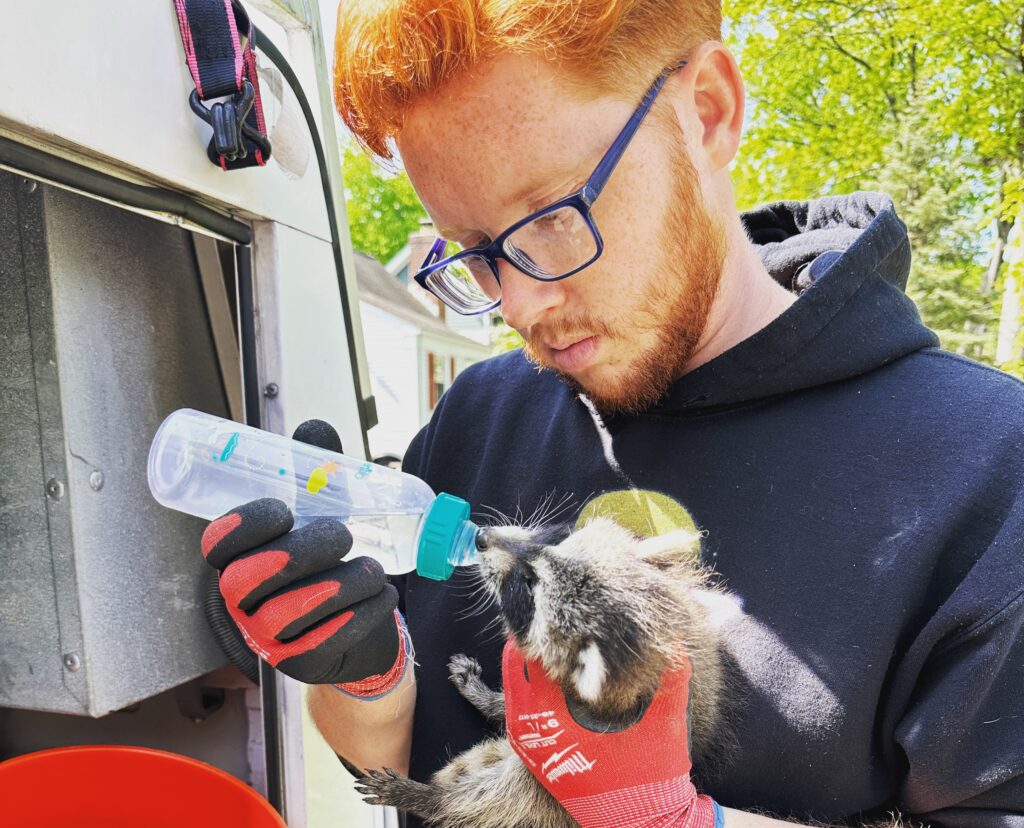

Wildlife is an essential part of our environment, but when animals find their way into homes, attics, or yards, they can cause property damage and create safety concerns. From raccoons and squirrels to bats and groundhogs, these animals are simply looking for shelter, food, and water. The challenge for homeowners is finding a way to resolve these situations without harming the animals or violating local regulations. Humane wildlife control methods offer the perfect balance between protecting your property and preserving wildlife.
This guide explores the top strategies for safe, effective, and ethical wildlife management, ensuring your home remains secure while respecting nature.
Understanding Humane Wildlife Control
Humane wildlife control focuses on resolving conflicts with animals in ways that avoid injury, stress, or death. These strategies typically involve prevention, exclusion, and relocation, always following legal guidelines. Many states and municipalities have strict rules for handling wildlife, making it essential to use methods that comply with local laws.
Whether you are searching for wildlife control near me or seeking professional assistance for a current issue, humane control ensures a long-term, ethical solution.
Strategy 1: Identify the Source of the Problem
Before taking action, it is crucial to determine which animal is causing the issue and how it entered your property. Signs can include:
- Droppings or tracks around entry points.
- Gnaw marks on wood or wires.
- Noises such as scratching or thumping in walls or attics.
- Visible damage to vents, siding, or roofing.
Correct identification helps in choosing the right removal and prevention techniques. For example, squirrels and raccoons may enter through roof vents, while skunks and groundhogs may burrow under decks.
Strategy 2: Seal Entry Points
Once the animal is safely removed, sealing potential access points is essential to prevent re-entry. Common exclusion techniques include:
- Installing wildlife-proof chimney caps.
- Reinforcing soffits, fascia boards, and vents with heavy-gauge wire mesh.
- Using underground barriers to prevent digging animals from returning.
When seeking Montclair wildlife removal, a professional can perform a detailed property inspection to ensure all vulnerable spots are addressed.
Strategy 3: Use Live Trapping and Relocation (When Permitted)
Live traps are designed to capture animals without harming them, allowing for safe relocation to a suitable habitat. However, this should only be done by licensed professionals, as improper handling can stress the animal or result in relocation to unsuitable areas. Additionally, relocation laws vary by state, so it’s important to follow local regulations.
Professional wildlife removal Montclair services ensure trapping and transport are done safely and legally.
Strategy 4: Remove Attractants
Animals are drawn to homes when food, water, and shelter are readily available. To make your property less inviting:
- Secure garbage bins with tight-fitting lids.
- Remove outdoor pet food after feeding times.
- Keep bird feeders clean and away from the home.
- Clear brush piles or tall grass where animals may hide.
By removing these attractants, you reduce the likelihood of repeat visits.
Strategy 5: Install One-Way Exclusion Devices
One-way doors or exclusion devices allow animals to exit a space but prevent them from re-entering. These are especially effective for attics, chimneys, and crawl spaces. They are often used during certain times of the year to avoid trapping dependent young inside.
When installed properly by a wildlife control Montclair NJ expert, one-way devices provide a safe and permanent solution.
Strategy 6: Seasonal Considerations for Humane Control
Timing plays an important role in humane wildlife control. For instance, removing animals during breeding season can separate mothers from their young, leaving the offspring vulnerable. In many cases, professionals will delay exclusion or trapping until the young are old enough to survive on their own.
Understanding seasonal patterns ensures that wildlife is managed ethically and effectively.
Strategy 7: Partner with Licensed Professionals
While DIY wildlife control methods may seem appealing, handling wildlife without the proper training and equipment can be dangerous. Many wild animals carry diseases or parasites, and improper handling can result in injury to both the person and the animal.
Licensed wildlife control specialists have the tools, knowledge, and legal permissions to resolve the problem safely. They also provide guidance on long-term prevention to protect your property.
Why Humane Methods Matter
Choosing humane wildlife control is not only the ethical choice, it’s often the most effective. Inhumane methods may cause unnecessary suffering, fail to address the root of the problem, and even lead to new infestations. Humane solutions protect your home while respecting the important role wildlife plays in the ecosystem.

Long-Term Prevention Tips
- Schedule annual inspections to identify potential vulnerabilities.
- Use wildlife-resistant materials when repairing or renovating.
- Keep trees and shrubs trimmed away from the home to reduce climbing access.
- Maintain a clean and clutter-free yard to reduce nesting opportunities.
Proactive measures save time, money, and unnecessary stress for both homeowners and animals.
About Kritter Catchers NJ
Kritter Catchers NJ is a trusted provider of humane wildlife control services in Montclair, NJ, and surrounding communities. Specializing in ethical and effective wildlife removal, the company offers expert solutions for raccoons, squirrels, skunks, groundhogs, bats, and more. Their services include inspection, safe animal removal, exclusion repairs, and long-term prevention strategies. Whether you need wildlife control near me or professional wildlife removal, Kritter Catchers NJ is committed to protecting your home while ensuring the safety and well-being of local wildlife.