
Wildlife plays a vital role in maintaining ecological balance, but when animals enter your home, they can cause damage, spread diseases, and disrupt your daily life. From scratching in the attic to overturned trash bins, signs of unwanted animal guests can be unsettling. Understanding how to identify and manage these intruders humanely is key to protecting your property without causing harm.
This guide outlines how to recognize the most common wildlife intruders and the best strategies to keep them safely away from your home.
Recognizing the Signs of Wildlife Activity
Early detection is crucial for preventing extensive damage. Wildlife often leaves behind clues that can help you identify which animal is present. Look for:
- Noises: Scratching, thumping, or scurrying sounds in walls, ceilings, or attics.
- Droppings: Distinct shapes and sizes can indicate whether the culprit is a raccoon, squirrel, or rodent.
- Odors: Strong, musky smells may point to skunks or accumulated waste from nesting animals.
- Damage: Gnawed wires, torn insulation, or ripped vent screens are common signs of intrusion.
- Tracks and Paw Prints: Muddy or dusty paw marks around entry points or in crawl spaces.
Common Wildlife Intruders and How to Identify Them
Raccoons
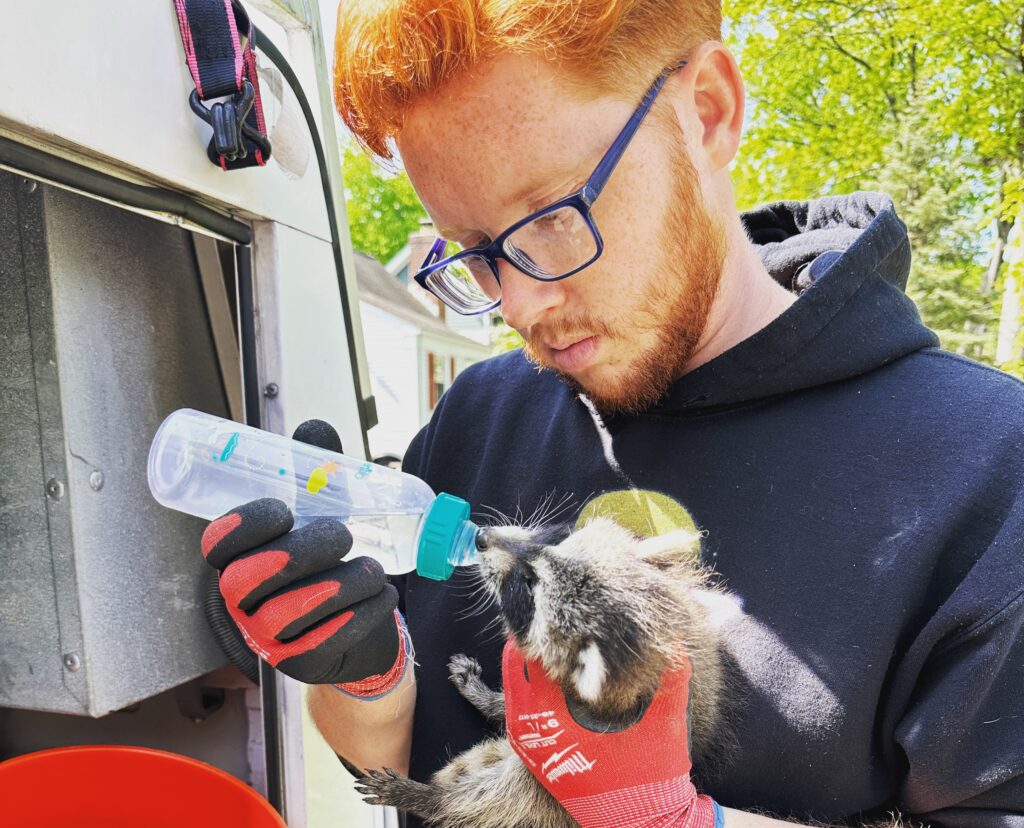
Raccoons are known for their dexterity and intelligence. They can open trash cans, pry open vents, and tear through roofing materials. Look for large paw prints, scattered garbage, and droppings near entry points.
Squirrels
These agile climbers often invade attics to build nests. You may notice chewed wood, shredded insulation, and fast-moving scratching sounds during the day.
Skunks
Skunks are easily identified by their odor, but they can also leave shallow holes in lawns while searching for insects. They typically burrow under decks, porches, or sheds.
Bats
Bats usually enter homes through small openings in roofs or vents. They leave behind small, pellet-like droppings called guano, often found beneath roosting sites.
Groundhogs
Groundhogs create large burrow entrances near gardens or sheds. They can damage foundations and landscaping through their extensive digging.
When you suspect an animal issue, contacting a professional for wildlife removal near me ensures proper identification and safe handling.
Humane Ways to Keep Wildlife at Bay
Seal Entry Points
Once animals are removed, it is essential to close off any gaps or holes. Common areas to inspect include rooflines, soffits, vents, chimneys, and foundation cracks. Using heavy-gauge mesh or wildlife-proof caps can prevent re-entry.
Remove Food Sources
Wildlife is drawn to easy meals. Secure trash bins with tight-fitting lids, remove outdoor pet food after meals, and clean up fallen fruits or nuts from your yard.
Maintain Your Yard
Trim overhanging branches that provide roof access, keep grass cut short, and clear away brush piles that could serve as nesting sites.
Use One-Way Exclusion Devices
These devices allow animals to exit but not return. They are especially effective for squirrels, raccoons, and bats, ensuring humane removal without trapping young inside.
Install Motion-Activated Deterrents
Lights, sprinklers, or ultrasonic devices can discourage wildlife from approaching your home. These are particularly effective for skunks and raccoons.
Professional Montclair wildlife removal services can install these measures effectively and in compliance with local wildlife regulations.
Seasonal Considerations for Wildlife Control
Wildlife behavior changes with the seasons. For example, squirrels and raccoons often enter attics in the fall to prepare for winter, while skunks may seek shelter during colder months. Breeding seasons also play a role in removing animals when they have young, which may leave offspring behind. This is why timing and humane methods are crucial when working with wildlife control in Montclair, NJ.
When to Call a Professional
While homeowners can handle some minor issues, most wildlife situations require expert assistance for safety and legal compliance. Wild animals can be unpredictable, carry diseases, or cause injury when threatened. Licensed specialists in wildlife removal in Montclair use proper equipment, knowledge, and humane practices to ensure both your safety and the animal’s well-being.
Long-Term Prevention Tips
- Schedule routine property inspections to detect vulnerabilities early.
- Install chimney caps, vent covers, and foundation barriers.
- Keep pet food indoors and secure compost bins.
- Store firewood at least 20 feet from your home to avoid providing shelter.
- Repair water leaks that could attract thirsty wildlife.
By combining prevention with humane control, you can enjoy a safe, wildlife-free home while respecting local ecosystems.

Frequently Asked Questions
What are the most common wildlife intruders in attic spaces?
The most common wildlife intruders in attic areas include squirrels, raccoons, bats, and rodents looking for warmth and shelter.
How can I tell if animals are living in my attic?
Scratching noises, droppings, strong odors, and damaged insulation are common signs of wildlife activity in attics.
How do I prevent common wildlife intruders in attic areas?
Seal entry points, trim tree branches near the roof, and keep food sources secured to help prevent wildlife access.
Should I remove attic wildlife on my own?
Professional wildlife removal is recommended because animals can carry diseases and may become aggressive when disturbed.
About Kritter Catchers NJ
Kritter Catchers NJ provides humane and effective wildlife control solutions for homeowners in Montclair, NJ, and surrounding areas. Specializing in safe animal removal, exclusion repairs, and long-term prevention, the company handles raccoons, squirrels, skunks, bats, groundhogs, and more. Whether you are searching for an expert wildlife removal service, we ensure your home is protected while preserving the safety and well-being of local wildlife.
If you notice signs of wildlife in your attic, contact us today for safe, humane, and reliable wildlife removal services.
Learn more here:
The Role of Wildlife Control in Maintaining Ecosystem Balance Around Your Property
Seasonal Wildlife Behavior: When and Why Animals Invade Residential Spaces
Humane Wildlife Removal: What It Really Means and Why It Matters