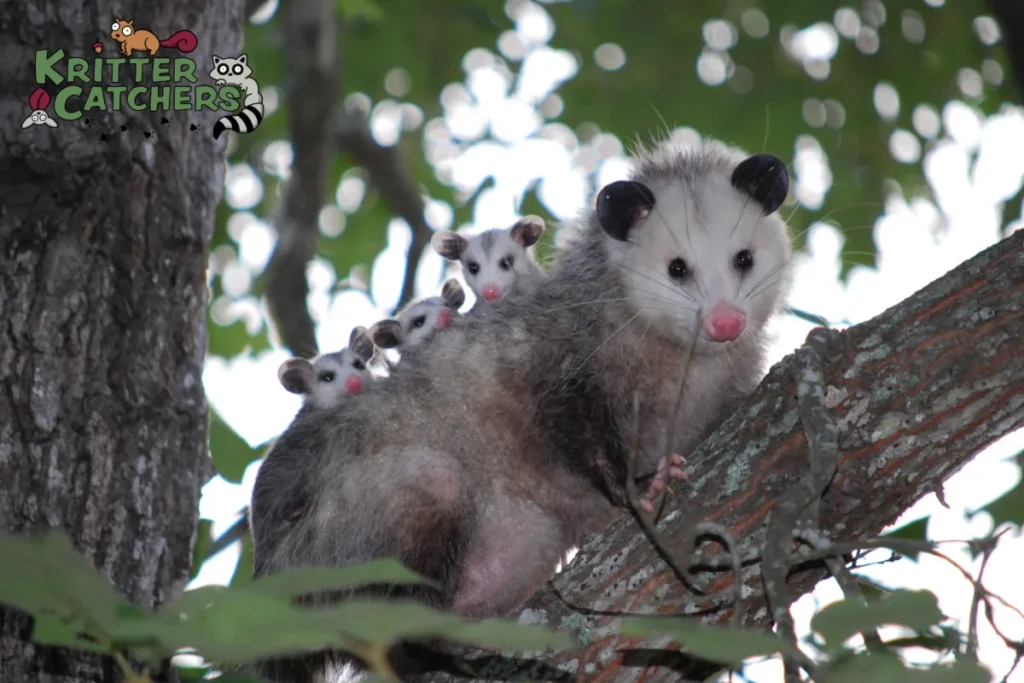
Opossums often return to the same property after removal because food, water, shelter, or easy access remains available. Removing an animal addresses the immediate problem, but it may not prevent another visit if these conditions remain. The best approach is to identify what attracts the animal, remove it humanely when necessary, and address the access points that allow wildlife to settle nearby.
Why Do Opossums Keep Coming Back After Removal?
Opossums are opportunistic animals that look for accessible food and sheltered places to rest. A yard with open garbage, outdoor pet food, or space beneath a deck can keep attracting wildlife after you remove an animal.
Common reasons for repeat visits include:
- Accessible food: Unsecured garbage, fallen fruit, pet food, and exposed compost offer easy meals.
- Water sources: Leaking outdoor faucets, standing water, and water bowls may attract wildlife.
- Sheltered spaces: Areas beneath porches, decks, sheds, and crawl spaces can provide cover.
- Dense vegetation: Overgrown shrubs and piles of debris offer places to hide.
- Open access points: Damaged screens, loose panels, and gaps around structures may allow animals to enter sheltered areas.
It is also important to remember that repeated sightings do not necessarily mean the same opossum has returned. Another animal may discover the same food source or shelter. Effective prevention focuses on the conditions that attract wildlife, not just the animal seen on a particular night.
What Attracts Opossums to Residential Properties?
Even a well-kept property can attract opossums if food or shelter is easy to find. Checking common attractants can help property owners decide which changes to make first.
| Property Condition | Why It May Attract Opossums | Practical Prevention |
| Unsecured garbage | Provides access to discarded food | Use sturdy bins with secure lids |
| Outdoor pet food | Offers a predictable food source | Feed pets indoors when possible and remove leftovers |
| Fallen fruit | Creates an easy feeding opportunity | Collect fallen fruit regularly |
| Dense shrubs and clutter | Provides cover and hiding places | Trim vegetation and organize outdoor storage |
| Open spaces beneath structures | Offers shelter from weather and disturbance | Have the area inspected before installing exclusion materials |
For property owners seeking critter control in Bloomfield, identifying these conditions is a practical starting point. Removing an animal without addressing its food sources or shelter may leave the property attractive to other wildlife.
How Can You Tell Why Opossums Keep Returning?
Repeated sightings can help identify a pattern, but it is important to inspect the property as a whole. Look for signs of activity around food sources, sheltered spaces, and possible access points rather than assuming that one visible clue explains the problem.
Five Steps to Inspect Your Property for Opossum Activity
1. Check for accessible food.
Inspect garbage containers, compost bins, outdoor feeding areas, and fruit trees. Secure food waste and clean up anything that could provide an easy meal.
2. Inspect sheltered spaces.
Look around decks, porches, sheds, and other structures for signs of animal activity. Do not reach into dark spaces or attempt to handle a hidden animal.
3. Look for possible entry points.
Check damaged screens, loose panels, gaps beneath doors, and openings around structures. Do not seal a suspected entry point until you know that no animals or dependent young remain inside.
4. Look for signs of repeated activity.
Tracks, disturbed soil, overturned garbage, and droppings may indicate wildlife activity. These signs are not unique to opossums, so further inspection may be needed to identify the animal.
5. Record when and where you see activity.
Note the location and approximate time of each sighting. A recurring pattern may help reveal a feeding area, travel route, or sheltered space that needs attention.
A professional inspection can help connect these clues and determine whether removal, clean-up, exclusion, or a combination of measures is appropriate.
Does Opossum Removal Prevent Future Visits?
Not always. Opossum removal addresses the immediate wildlife concern, but it does not automatically eliminate the conditions that attracted the animal.
Different methods serve different purposes:
| Approach | What It Addresses | Important Consideration |
| Professional removal | The animal causing the immediate concern | Other animals may still visit |
| Humane trapping | Capturing an animal when appropriate | Must follow applicable wildlife regulations |
| Property clean-up | Accessible food waste and other attractants | Does not close entry points |
| Wildlife exclusion | Access to selected areas or structures | Animals must be accounted for before openings are sealed |
| Ongoing prevention | Conditions that encourage repeat visits | Requires regular attention |
For example, removing an opossum from beneath a deck will not close the opening it used to get there. If the space remains accessible and offers suitable shelter, another animal may use it later.
The goal is to address the immediate problem and reduce the chances of the property attracting more wildlife. The right plan depends on the animal’s location, the structure involved, and the signs found during inspection.
Applying Our Humane Wildlife Removal and Exclusion Approach to Solve This
Kritter Catchers NJ brings over 10 years of hands-on wildlife management experience to animal removal and prevention. Our approach focuses on humane treatment, safe handling, suitable equipment, and recommendations based on the conditions found at each property.
The process may involve inspection, trapping, relocation where lawful and appropriate, clean-up, and prevention. Not every property needs every step, so the first priority is understanding the problem before recommending a solution.
Step 1: Inspect the Property and Identify Attractants
The inspection helps determine where the opossum has been seen, whether it may be sheltering inside or beneath a structure, and what could be attracting it.
The team checks accessible food sources, potential hiding places, and possible entry points. This helps distinguish a visiting animal from one that may be occupying a sheltered space.
Step 2: Use Appropriate Capture Methods
When removal is necessary, the method should reflect the animal’s location, condition, and circumstances. Humane trapping may be appropriate in certain situations when carried out with suitable equipment and in accordance with applicable regulations.
Kritter Catchers NJ emphasizes safe and ethical methods that consider the animal, property occupants, and pets. Trapping and relocation are not automatically suitable in every case, and local wildlife rules may limit which options are available.
Step 3: Address Clean-Up and Remaining Attractants
After removal, the surrounding area may need attention. Accessible food waste and scattered garbage should be addressed, and areas affected by animal activity may require suitable cleaning.
Droppings and potentially contaminated materials should be handled carefully. Avoid disturbing suspected contaminated material without understanding the precautions needed. Cleaning the affected area and removing attractants can help prepare the property for the next stage of prevention.
Step 4: Use Wildlife Exclusion to Reduce Access
Removing an animal does not close the opening it used. Wildlife exclusion addresses suitable access points to help prevent animals from entering selected areas.
Kritter Catchers NJ offers a patented Wildlife Exclusion Tunnel, a specialized approach designed to support wildlife exclusion. Whether it is suitable depends on the animal, the structure, and the conditions found during inspection. A professional assessment can help determine whether this method or another exclusion approach is appropriate.
Before any opening is sealed, the area must be checked to confirm that animals and dependent young are not trapped inside. The materials and method should also suit the structure and intended purpose.
Step 5: Maintain Prevention Measures
Prevention continues after removal and exclusion. Keep garbage secured, remove outdoor food sources, maintain vegetation, and periodically inspect vulnerable areas.
If activity continues, a follow-up inspection may help identify another access point or an attractant that was missed. Property owners looking into Bloomfield critter control should consider a plan that addresses the conditions behind the repeat visits rather than relying on removal alone.
Myth: Once an Opossum Is Removed, It Will Never Come Back
Removing an opossum does not guarantee that a property will remain free of wildlife. If food, shelter, and access remain available, the same animal or another one may visit again.
Repeat activity can happen because:
- The original food source is still available.
- A sheltered space remains accessible.
- An entry point has not been addressed.
- Another opossum discovers the same resources.
- Other wildlife is attracted to the same conditions.
The more practical goal is to make the property less attractive and reduce access to areas where animals should not be settling. Even a well-planned prevention strategy cannot guarantee that wildlife will never visit.
If an opossum returns after removal, a new inspection may reveal an overlooked opening, an accessible food source, or another condition that needs attention.
How Can You Keep Opossums From Returning?
Consistent property maintenance can reduce the conditions that attract opossums and other wildlife.
- Keep garbage containers closed securely.
- Remove outdoor pet food when it is no longer needed.
- Collect fallen fruit and clean up food waste.
- Store compost appropriately.
- Trim overgrown vegetation and reduce outdoor clutter.
- Check beneath decks, porches, and sheds for signs of animal activity.
- Repair damaged screens and seal structural openings.
- Confirm that no animals or dependent young remain before sealing an opening.
- Monitor areas where opossums have appeared repeatedly.
- Contact a wildlife professional if activity continues or an animal may be living inside a structure.
For wildlife control in Bloomfield, NJ, the appropriate plan should account for the property’s layout, the signs of activity, and applicable wildlife regulations. An inspection can help determine which steps are needed and which are unnecessary.
People Also Ask
Why does the same opossum keep coming back to my yard?
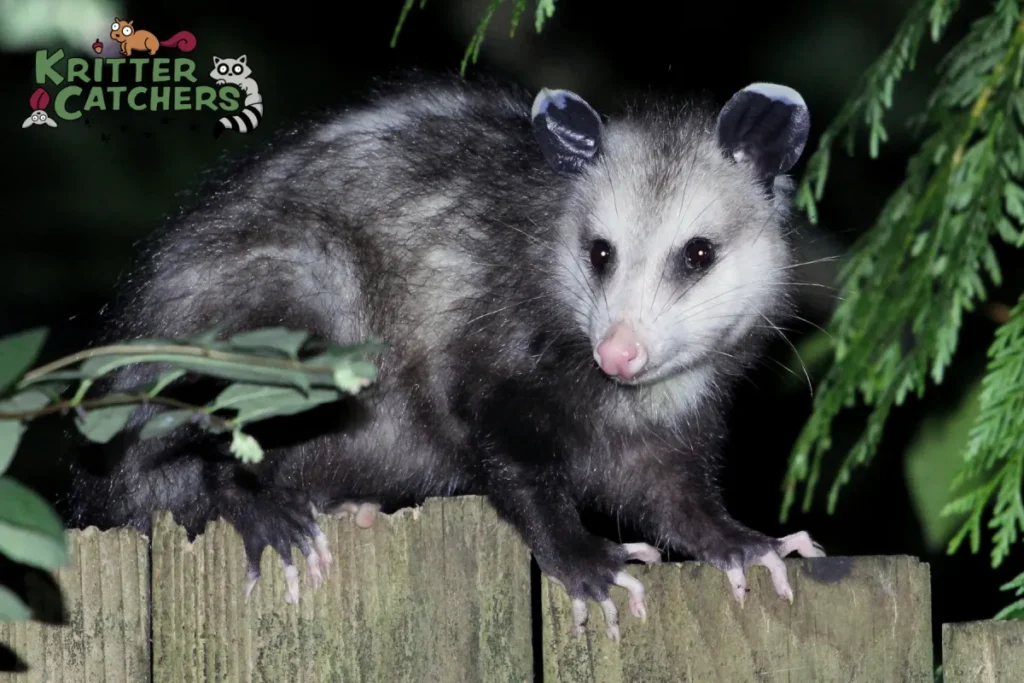
An opossum may revisit an area if it continues to provide food, water, or shelter. However, repeated sightings do not prove that it is the same animal. Another opossum may be attracted to the same conditions.
Will an opossum return after being removed?
It may, and another opossum may visit if the property remains attractive. Securing food, checking sheltered areas, and addressing suitable access points can help reduce repeat visits.
What attracts opossums to houses?
Common attractants include unsecured garbage, outdoor pet food, fallen fruit, compost, water sources, and sheltered spaces beneath decks, porches, and sheds.
How do I stop opossums from living under my deck?
First, determine whether an animal or dependent young are still beneath the deck. Once the area is confirmed clear, suitable exclusion work can help limit access. A professional can help assess the situation if occupancy is suspected.
Is it safe to seal an opening after an opossum leaves?
Only after confirming that the animal and any dependent young are no longer inside. Sealing an opening too early can trap wildlife within a structure.
When should I call a professional for opossum removal?
Consider professional help when opossums repeatedly return, an animal may be living inside a structure, entry points are difficult to identify, or you are unsure how to handle the situation safely and lawfully.
Get Help With Recurring Opossum Activity
When opossums keep returning, removing the animal may be only one part of the solution. Identifying attractants, checking access points, addressing affected areas, and using suitable exclusion methods can help reduce the chances of repeat visits.
Kritter Catchers NJ provides wildlife removal and exclusion services with an emphasis on humane methods, clear communication, and solutions suited to each property. Our team can explain what the inspection reveals, which steps are recommended, and what to expect from the process.
If you are dealing with recurring wildlife activity, contact us today to request a consultation or inspection. We can help assess the situation and discuss practical next steps for protecting your property while treating wildlife responsibly.