
It’s the middle of the night, and just as you’re about to fall asleep, you hear scratching, scurrying, or thumping coming from the attic. Before dismissing it as the house settling, it’s worth paying attention, as these noises are often a sign of common wildlife intruders in attic spaces. Many homeowners experience this issue without realizing it, as animals like squirrels, raccoons, bats, and birds frequently enter attics in search of warmth and shelter. While they may seem harmless at first, these intruders can lead to serious property damage, health risks, and recurring infestations if not addressed properly.
Why Your Attic Is a Target for Wildlife
Attics are warm, quiet, and typically undisturbed by people, making them ideal nesting spots for many species. During colder months, these areas offer shelter from harsh weather, while in the spring and summer, attics become safe havens for animals to raise their young. Entry points can include loose shingles, vents, fascia gaps, soffits, or even chimneys; any small opening is enough for an animal to squeeze through.
Wildlife intrusions are especially common in suburban areas where wooded environments border neighborhoods. Once an animal finds access to your home, it may return repeatedly unless professionally removed and excluded.
Common Signs of Wildlife in Your Attic
Recognizing the early signs of a wildlife intrusion can help you address the issue before it escalates. Here are the most common indicators:
1. Strange Noises
One of the first clues is unusual noises, particularly at night. These may include:
- Scratching or gnawing sounds
- Scurrying or running, especially during dawn or dusk
- Chirping or squeaking noises
- Heavy thumping if larger animals like raccoons are present
The timing and type of noise can often help identify the culprit. For example, nocturnal animals like bats or raccoons are typically more active at night, while squirrels are usually busy during the day.
2. Foul Odors
Wildlife activity often brings unpleasant smells. Droppings, urine, and even decomposing animals can produce strong odors that seep into your living spaces. These smells may indicate not only a current infestation but also potential health risks, such as mold or bacterial growth.
3. Droppings and Nesting Materials
If you have access to your attic, look for visual evidence such as:
- Animal feces (size and shape can help determine the species)
- Shredded insulation, paper, or cloth used for nesting
- Chewed wood, wires, or ducts
Droppings can carry diseases such as leptospirosis or histoplasmosis, so it’s best to avoid direct contact and consult a professional.
4. Visible Entry Points
Inspect the exterior of your home for signs of animal entry, such as:
- Torn or chewed vents
- Gaps along the roofline or siding
- Damaged soffits or fascia boards
These vulnerable areas are common entry points for animals seeking access to your attic.
5. Increased Insect Activity
Oddly enough, an issue can sometimes be detected by an increase in insect presence. For example, flies or beetles might be attracted to feces or a deceased animal in the attic, indicating something larger may be living or may have died up there.
Common Wildlife Intruders in Attic Spaces
Understanding the most common wildlife intruders in attic areas can help you quickly identify what you’re dealing with and take the right action. Different animals leave different signs, and knowing their behavior makes it easier to respond effectively.
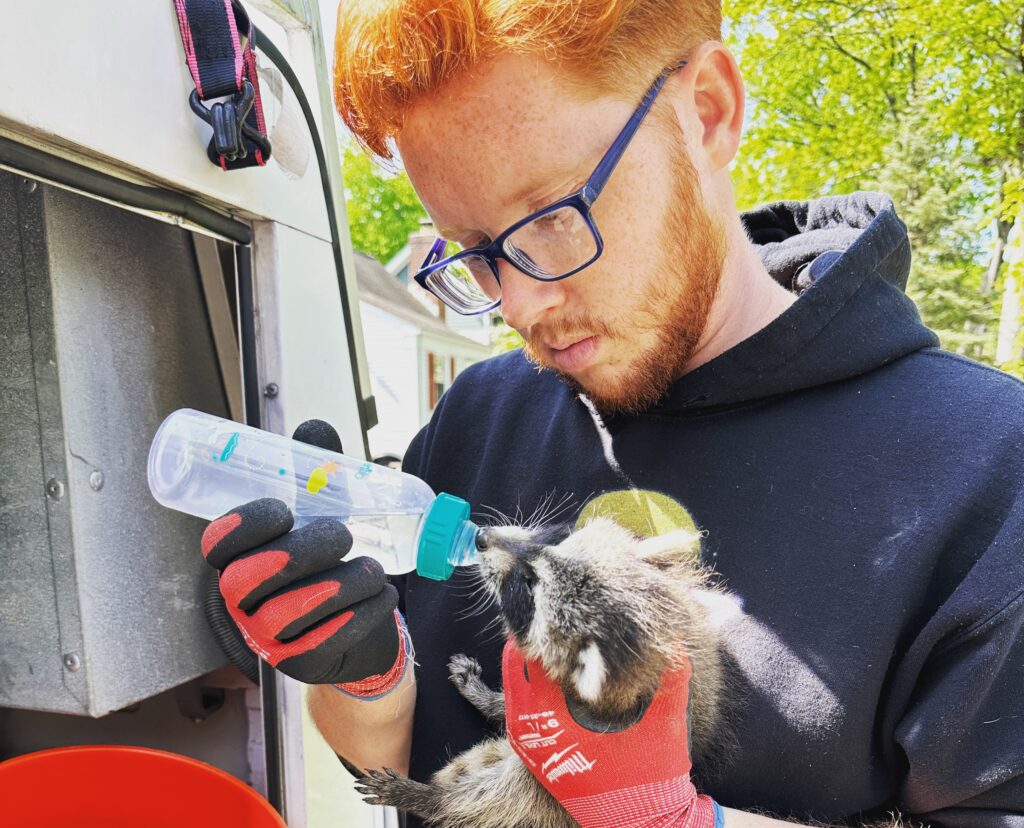
Squirrels are among the most frequent attic invaders. They are active during the day and often enter through small roof gaps or vents, chewing on wood and electrical wiring. Raccoons, on the other hand, are larger and more destructive. They are nocturnal and can tear through shingles or soffits to gain access, often creating loud thumping noises at night.
Bats are another common issue, especially in warmer months. They roost in dark attic spaces and leave behind guano, which can pose serious health risks if not handled properly. Birds may enter through vents or chimneys, building nests that block airflow and create fire hazards. In some cases, rodents such as mice and rats can invade attics, multiplying quickly and contaminating insulation and stored items.
Each of these animals presents unique challenges, but all require prompt attention. Identifying these common wildlife intruders in attic spaces early can help prevent damage, reduce health risks, and stop the infestation from getting worse.
Risks of Ignoring Wildlife Intrusions
While it may be tempting to wait and see if the animal leaves on its own, this approach often leads to larger issues. Wildlife in your attic can result in:
- Extensive property damage, including chewed wires, shredded insulation, or destroyed ductwork
- Fire hazards due to gnawed electrical wiring
- Health risks from droppings, parasites, and potential bites or scratches
- Structural damage caused by animals digging or nesting
- Re-infestation, if the animal breeds or entry points are not properly sealed
These issues are costly and stressful, especially if they escalate over time. That’s why early intervention by a professional is key.
What to Do If You Suspect Wildlife in Your Attic
If you suspect an animal has taken up residence in your attic, avoid trying to handle the situation yourself. Belleville wildlife control should always be done by trained professionals who can ensure both your safety and the humane treatment of the animal.
Step 1: Schedule a Professional Inspection
Companies specializing in wildlife removal will conduct a thorough inspection to identify the species, nesting sites, and entry points. Knowing exactly what you’re dealing with helps determine the most effective and ethical removal method.
Step 2: Safe and Humane Removal
Professionals use live traps, one-way exclusion doors, or repellents depending on the animal. It’s important that removal is done without harming the animal, especially if young offspring are present.
Step 3: Exclusion and Repairs
After removal, it’s essential to seal all entry points and repair damage. This process, known as exclusion, is one of the most important steps to prevent the problem from recurring. Qualified teams providing Belleville wildlife removal will ensure every vulnerable area is secured.
Step 4: Cleanup and Sanitation
Once the animals are gone, droppings, nesting material, and other debris must be safely removed. Proper sanitation reduces health risks and removes attractants that might draw new animals to the space.
Why Professional Help Is Essential
Wild animals are unpredictable and may be aggressive when threatened, especially if they are protecting their young. Attempting to trap or remove them yourself can result in injury or legal issues, as some species are protected under state or federal law.
Hiring a professional wildlife removal service in Belleville, NJ ensures the process is legal, humane, and effective. Trained experts know how to handle wildlife safely while protecting your home and health.

Frequently Asked Questions
What are the most common wildlife intruders in attic spaces?
Squirrels, raccoons, bats, birds, and rodents are the most common animals found in attics.
What do scratching noises in the attic mean?
Scratching or scurrying sounds often indicate animals moving, nesting, or chewing inside your attic.
Is wildlife in the attic dangerous?
Yes, it can lead to health risks, structural damage, and even fire hazards from chewed wiring.
Can wildlife leave on its own?
Sometimes, but most animals will stay, return, or reproduce unless properly removed and excluded.
What is the safest way to remove wildlife from an attic?
Hiring a professional ensures safe, humane removal and prevents future infestations.
About Kritter Catchers NJ
Kritter Catchers NJ is your trusted source for ethical, safe, and effective wildlife control. Based in Belleville, NJ, we proudly serve homeowners throughout the area with professional removal, exclusion, and sanitation services. Our team specializes in wildlife control, using humane practices that ensure both your home and the animals are treated with care and respect.
Don’t wait for the problem to get worse. Contact us today for safe, humane, and reliable wildlife removal you can trust.
Learn more here:
Revitalize Your Space: NJ Attic Clean Outs for a Fresh Start
Unaware of Raccoons in Your Attic? How to Spot the Signs Before It’s Too Late
Hearing Scratching Noises at Night? It Might Be Flying Squirrels in Your Attic