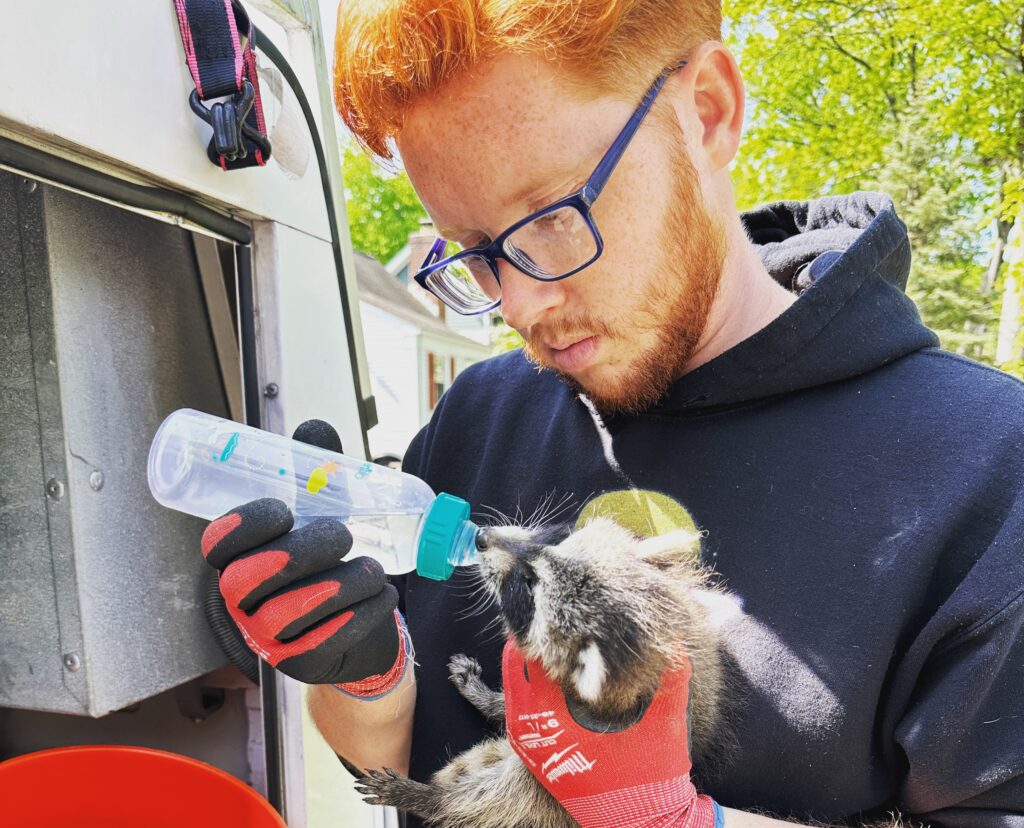

It’s an all-too-common scenario for many homeowners: strange noises coming from the attic, scratching sounds in the walls, or even direct sightings of wildlife inside the home. Whether it’s squirrels nesting in your attic, raccoons rummaging through your garage, or birds trapped in a chimney, encountering wild animals indoors can be stressful. However, it’s important to remember that these animals are not invaders by choice; they’re simply seeking shelter, warmth, or a place to raise their young.
Rather than resorting to inhumane traps or harmful methods, there is a safer, more responsible way to resolve the problem: humane wildlife removal. For those searching for wildlife removal, this approach not only protects your property but also respects the well-being of the animals and the balance of the local ecosystem.
Understanding Wildlife in New Jersey
Delving into the realm of understanding wildlife in New Jersey is akin to embarking on a journey through the diverse ecosystems that characterize the state. From the bustling urban landscapes to the serene rural areas, the wildlife in New Jersey manifests in various forms, each species adapting to its surroundings in unique ways.
In the context of Wildlife Removal in New Jersey, awareness of the prevalent wildlife species becomes paramount. Raccoons, with their cunning intelligence, and squirrels, with their nimble agility, are just a few examples of the fauna that often find their way into residential areas. These animals, while fascinating in their own right, can pose challenges when their natural behaviors intersect with human habitation.
Recognizing the behavioral patterns of wildlife is crucial for effective Wildlife Removal in NJ. Understanding their nesting habits, foraging routines, and tendencies to seek shelter in human structures allows for a more compassionate and informed approach to removal. By acknowledging the coexistence of these creatures and comprehending their impact on our homes and families, we can navigate towards solutions that prioritize both the well-being of residents and the wildlife that shares our living spaces.
Why Wildlife Ends Up in Your Home
Urban and suburban environments often intersect with natural wildlife habitats. As cities expand and green spaces shrink, animals are increasingly forced to adapt by finding shelter in human structures. Your home, with its warmth, food sources, and safety from predators, can be highly attractive to:
- Squirrels
- Raccoons
- Bats
- Opossums
- Birds
- Skunks
These animals typically enter through vulnerable points like roof gaps, vents, chimneys, or basements. Once inside, they may cause damage, create noise, leave behind droppings, and pose health risks if left unchecked.
Kritter Catchers Humane Practices
The state mandates the use of humane trapping methods:
Quick-Kill Traps: These are designed to kill instantly, reducing the animal’s suffering.
Live-Catch Traps: These allow trappers to catch and release animals without causing them harm. They are commonly used for nuisance control in urban areas.
What Is Humane Wildlife Removal?
Humane wildlife removal is the process of safely and ethically evicting animals from your home while preventing further access. It avoids poison, glue traps, or lethal measures, and instead focuses on minimally invasive, compassionate techniques that consider the needs of the animal as well as the homeowner.
Key Principles of Humane Removal:
- Non-lethal methods: Live traps, one-way exclusion devices, and repellents are used instead of harmful tools or substances.
- Respect for wildlife: Animals are not harmed during the process and are relocated, if necessary, to safe and appropriate habitats.
- Prevention-focused: Long-term exclusion strategies are implemented to keep animals from returning, such as sealing entry points and reinforcing vulnerable areas.
- Safe handling: Professionals are trained to manage potentially dangerous animals while minimizing stress to both parties.
The Risks of DIY Wildlife Removal
Attempting to remove wildlife on your own might seem like a quick fix, but it’s rarely effective and often unsafe. Many wild animals will react aggressively if they feel threatened, especially if they are protecting young. Additionally, certain species are protected under local or federal laws, making it illegal to trap or relocate them without proper training or permits.
Improper handling can also lead to injury, exposure to diseases like rabies or leptospirosis, and unintentional harm to the animal. That’s why it’s essential to understand how humane wildlife removal works and why it’s the safest route for both you and the animal.
Step-by-Step Guide to Humane Wildlife Removal
If you suspect animals have taken up residence in your home, here’s how the humane wildlife control process typically works:
1. Professional Inspection
The first step is a thorough property inspection. A licensed wildlife technician will look for signs of entry, nesting materials, droppings, and structural damage. This helps identify the species involved, determine the extent of the infestation, and plan a safe and targeted removal strategy.
For those in Montclair, a reputable Montclair wildlife removal service can quickly assess your situation and create an effective action plan.
2. Identification and Assessment
It’s essential to correctly identify the animal(s) present, as removal techniques vary by species. For example, the strategy for removing a raccoon differs from that of a bat colony or a family of squirrels. Experts take care to avoid separating mothers from their young, an all-too-common mistake that can result in orphaned or trapped animals.
3. Humane Eviction or Trapping
Depending on the species and the season, professionals may use:
- One-way exclusion devices: These allow animals to exit but prevent them from re-entering.
- Live traps: Strategically placed cages are used to safely capture animals for relocation.
- Repellents or deterrents: In some cases, smell- or sound-based deterrents can encourage animals to vacate voluntarily.
Importantly, these methods are always conducted in compliance with local wildlife laws and guidelines.
4. Sealing Entry Points
Once the animal is removed, the next step is exclusion. This involves identifying and sealing every possible point of reentry: roof edges, soffits, attic vents, crawl spaces, and chimneys. Without this step, it’s likely the problem will return. A team that specializes in critter control in Montclair, NJ, can handle exclusion with precision and care.
5. Sanitation and Repairs
Wildlife can leave behind contamination such as urine, feces, nesting debris, and chewed insulation or wires. Professional sanitation helps prevent the spread of disease and removes lingering odors that could attract other animals.
In some cases, minor repairs may be needed to restore damaged areas. Wildlife removal teams may offer cleanup services to restore your home to a safe and healthy condition.
Why Humane Wildlife Control Matters
The humane approach to wildlife control reflects a growing awareness that urban wildlife deserves respect and protection. Here’s why it’s the right choice:
1. Legal Compliance
Many species, including bats and migratory birds, are protected under state and federal regulations. Only trained professionals know how to handle them legally.
2. Eco-Friendly
Removing and relocating animals without harm helps preserve local ecosystems and avoids unnecessary population disruption.
3. Long-Term Results
Humane methods focus on addressing the root cause of the problem entry points and attractants rather than just the symptoms.
4. Safety and Peace of Mind
Professionally handled wildlife removal reduces the risk of bites, scratches, disease exposure, and property damage.
If you’re searching for wildlife removal in Montclair, be sure to choose a company that prioritizes humane practices and long-term prevention.
The Role of Education
Education plays a critical role in shaping public opinion and ensuring that trappers follow best practices:
Trapping Courses: New Jersey offers courses that teach ethical and effective trapping methods.
Public Awareness: Efforts are ongoing to educate the public about the importance of wildlife management and the role of ethical trapping.
Wildlife Removal Techniques
When it comes to addressing the need for Wildlife Removal in New Jersey, employing effective techniques is paramount to ensuring the safety of both residents and the wildlife involved. Professional wildlife removal services in New Jersey specialize in humane methods that prioritize the well-being of these creatures while mitigating potential threats to homes and families.
Wildlife removal in NJ often involves the utilization of live trapping and relocation strategies. This approach acknowledges the importance of preserving the lives of the animals, especially those simply seeking shelter or sustenance in human-populated areas. Trained professionals are adept at safely capturing and relocating wildlife, allowing them to thrive in more suitable environments.
Exclusion techniques also play a significant role in Wildlife Removal in New Jersey. These methods focus on preventing re-entry by identifying and securing potential entry points in homes. By fortifying vulnerable areas, such as attics, chimneys, or crawl spaces, professionals can ensure a more long-term solution to wildlife intrusion, minimizing the likelihood of recurrent issues.
Benefits of Hiring Wildlife Removal Professionals
Opting for professional assistance in Wildlife Removal in New Jersey brings forth an array of benefits that extend beyond mere nuisance control. Wildlife Removal NJ services, staffed by trained experts, offer a level of proficiency and efficiency that significantly surpasses the outcomes achievable through DIY approaches.
One of the primary advantages lies in the expertise these professionals bring to the table. Knowledgeable about the specific wildlife species in New Jersey, including raccoons, skunks, and squirrels, these experts understand their behaviors, nesting habits, and patterns. This insight allows for a more precise and targeted removal strategy, minimizing the potential for harm to both humans and wildlife.
Furthermore, hiring Wildlife Removal professionals in NJ ensures the application of humane methods. Recognizing the intrinsic value of wildlife, these experts prioritize ethical approaches, such as live trapping and relocation, to safeguard the lives of the animals involved. This humane perspective not only aligns with the principles of responsible wildlife management but also reflects a commitment to fostering a harmonious coexistence between humans and the diverse fauna in New Jersey.
Why Choose Kritter Catchers For Humane Trapping Methods?
Ethical Considerations: Using humane trapping methods reflects a responsible and compassionate approach to dealing with wildlife conflicts.
Environmental Impact: Reducing harm to animals also preserves the balance of the local ecosystem, ensuring that nature can thrive.
Safety: Humane trapping methods protect you, your property, and your family from potential harm or property damage caused by wild animals.
Legal Compliance: Employing humane techniques ensures compliance with New Jersey’s wildlife regulations, avoiding legal issues and fines.
Peace of Mind: By choosing humane trapping, you can resolve wildlife issues without the guilt or stress associated with harming animals.

FREQUENTLY ASKED QUESTIONS
1. What is humane wildlife removal?
It is the safe and ethical removal of wild animals while preventing them from returning to the property.
2. What methods are used for humane wildlife removal?
Professionals may use live traps, one-way exclusion devices, and repellents depending on the animal and situation.
3. Is DIY wildlife removal safe?
DIY removal can be risky because wild animals may become aggressive and can carry diseases. Some species may also be protected by law.
4. How can I prevent wildlife from returning?
After removal, professionals can seal entry points around roofs, soffits, vents, crawl spaces, and chimneys to prevent reentry.
5. Why choose humane wildlife removal?
Humane methods help protect animals, reduce safety risks, support legal compliance, and provide longer-term solutions through exclusion and prevention.
About Kritter Catchers NJ
Kritter Catchers NJ proudly serves homeowners throughout Montclair, NJ, and surrounding areas with professional, humane wildlife removal services. Our team is committed to providing safe, effective, and eco-friendly solutions that respect the lives of the animals we encounter while protecting your home from damage and re-entry.
From raccoons and squirrels to bats and birds, we specialize in identifying the issue, safely removing the animal, and securing your property to prevent future infestations. We don’t just solve the problem; we help you understand it, and we take care to clean up and restore your space. Contact us today to get started.
LEARN MORE HERE:
Seasonal Wildlife Behavior: When and Why Animals Invade Residential Spaces
Are Unwanted Animals in Your Home a Threat to Your Health?
Humane Wildlife Removal: What It Really Means and Why It Matters