Wildlife intrusions are becoming an increasing challenge for property owners in Bloomfield, NJ. Creatures such as raccoons, squirrels, bats, rodents, and birds frequently invade residential and commercial spaces, causing extensive structural damage and posing health hazards. Identifying what attracts these animals and implementing preventive strategies is the first step in protecting your property. For professional wildlife removal in Bloomfield, consider the expertise of Kritter Catchers to effectively manage and prevent infestations.
Key Takeaways
- Effective Solutions: Discover the most effective methods for controlling and preventing wildlife invasions in Bloomfield.
- Professional Services: Trust our experts for wildlife removal to ensure a safe and pest-free environment.
- Local Expertise: Benefit from our knowledge of Bloomfield’s unique wildlife behavior and habitat to tackle the issue effectively.
- Peace of Mind: Rest easy knowing you’ve chosen a reliable solution to keep pesky wildlife at bay.
- Safe and Humane: We prioritize the safety and well-being of both your property and the wildlife.
Common Wildlife Intruders
Raccoons
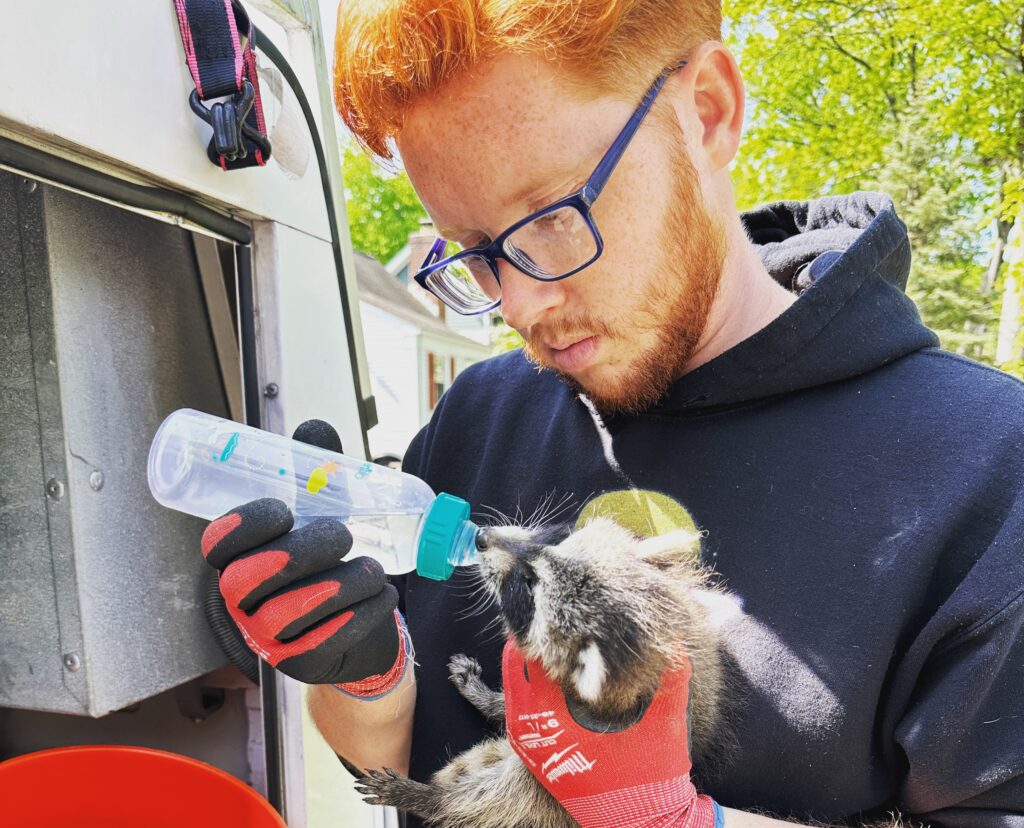
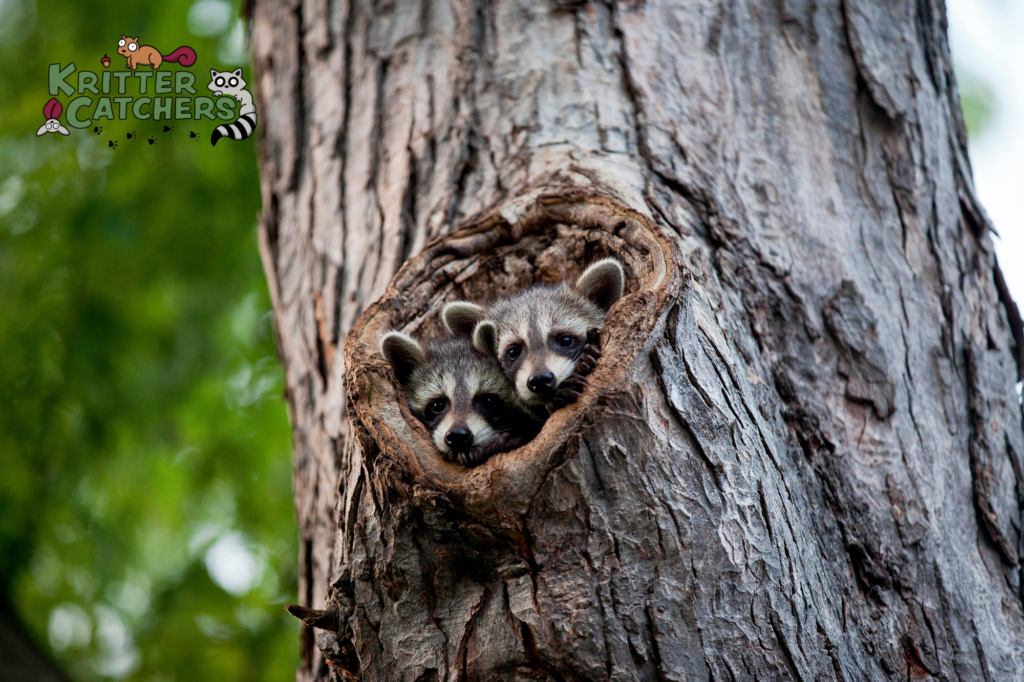
Raccoons are notorious for their intelligence and dexterity. They can open trash cans, access food sources, and even pry open weak entry points in homes. Once inside, they create nests in attics, basements, or crawl spaces, leaving behind droppings that pose health risks. For wildlife removal in Bloomfield, it’s essential to address these problems early.
Squirrels
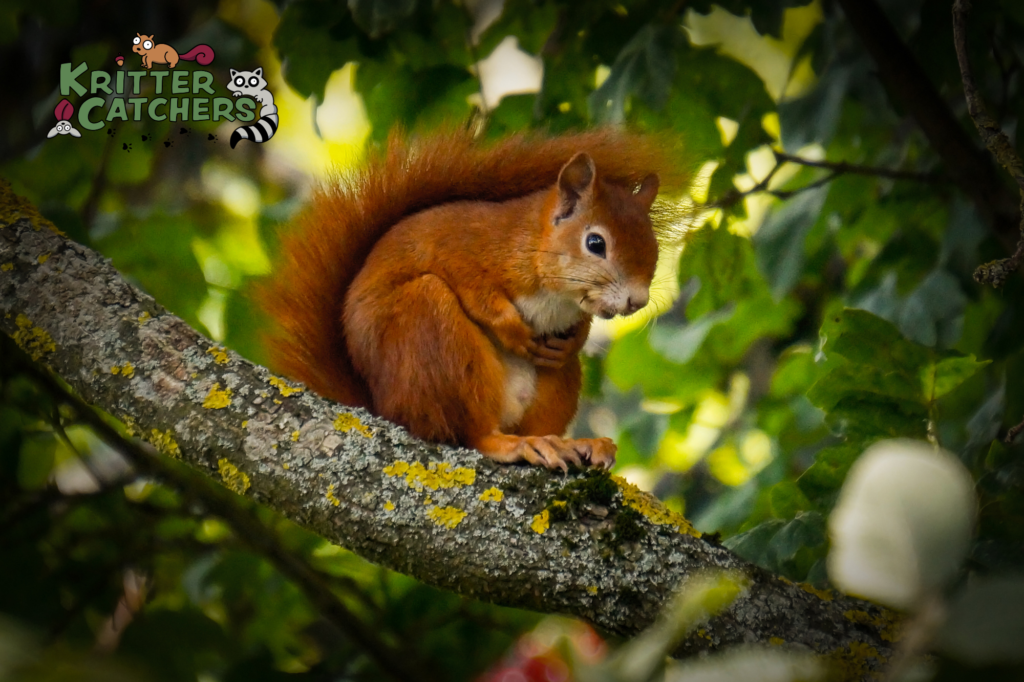
Squirrels frequently invade attics and walls, causing damage by gnawing on electrical wiring and insulation. This not only leads to costly repairs but also increases the risk of electrical fires. Professional wildlife control in Bloomfield, NJ, can help resolve these issues effectively.
Bats
Bats prefer dark, undisturbed spaces such as attics. While they play an essential role in pest control, their presence in homes poses health risks due to the potential transmission of diseases like rabies and histoplasmosis.
Rodents (Mice and Rats)
Rodents are among the most common home invaders. Their ability to squeeze through tiny openings makes homes vulnerable. They can contaminate food supplies, chew through materials, and spread diseases such as hantavirus and salmonella.
Birds
Birds, particularly pigeons and starlings, often nest in chimneys, vents, and roof eaves. Their droppings can carry pathogens, and their nests can clog ventilation, posing fire hazards.
What Attracts Wildlife to Your Property?
Several factors make a property more susceptible to wildlife invasions. Addressing these attractants is the first step in preventing unwanted guests.
Food Sources
- Unsecured garbage cans and compost bins
- Pet food left outdoors
- Bird feeders that attract unintended animals
- Unharvested fruits and vegetables in gardens
Shelter and Nesting Sites
- Overgrown vegetation provides cover
- Unsealed attics, basements, and crawl spaces
- Chimneys and vents without protective covers
- Piles of wood, debris, or clutter around the property
Water Availability
- Leaking pipes or outdoor faucets
- Birdbaths and ponds
- Clogged gutters retain moisture
- Pet water bowls left outside
Signs of a Wildlife Infestation
Early detection of a wildlife problem can prevent extensive damage. Look for these warning signs:
- Scratching or scurrying noises, especially at night
- Foul odors from droppings or urine
- Chewed wires, insulation, or structural materials
- Visible nests in attics, walls, or chimneys
- Unusual animal sightings around your home
How to Protect Your Property from Wildlife Invasions
Preventing wildlife from entering your home requires a combination of property maintenance and exclusion techniques. Here are some steps you can take:
Secure Entry Points
- Inspect your home for gaps, cracks, or holes and seal them with durable materials.
- Install chimney caps and vent covers to block entry.
- Ensure doors and windows are properly sealed.
Manage Food Sources
- Use wildlife-proof trash cans with secure lids.
- Remove pet food bowls after feeding.
- Harvest garden produce promptly to avoid attracting animals.
Maintain Your Property
- Trim overgrown trees and bushes near your home.
- Store firewood at least 20 feet away from your house.
- Keep your lawn free of debris and clutter.
Use Deterrents
- Motion-activated lights or sprinklers can discourage nocturnal animals.
- Natural deterrents like strong scents (peppermint oil, vinegar) can help keep rodents away.
- Secure fencing can prevent larger animals from entering your yard.
For those facing persistent wildlife issues, professional wildlife control in Bloomfield, NJ, offers reliable solutions. Experts can assess your property, implement exclusion techniques, and ensure long-term prevention.
Why Professional Wildlife Removal Is Important
For minor wildlife issues, DIY methods may offer some success, but larger infestations demand professional expertise. Specialists in Bloomfield wildlife removal use safe, humane, and effective techniques to remove animals while preventing their return. Handling wildlife on your own can be risky, as some animals may carry diseases or react aggressively when they feel threatened. Seeking professional assistance ensures both your safety and a long-term solution.
Trust Kritter Catchers NJ for Safe and Effective Wildlife Control
If you’re dealing with a wildlife invasion, Kritter Catchers NJ is here to help. We specialize in humane and professional wildlife removal services. Our experienced team is equipped to handle a wide range of wildlife issues, ensuring the safety and well-being of both property owners and animals. We also provide exclusion and prevention strategies to protect your home from future invasions.
Contact us today to learn more about our services and how we can help you keep your property wildlife-free.
Frequently Asked Questions
1. How can I tell if I have a wildlife infestation?
Look for signs like scratching or scurrying noises, visible droppings, chewed wires, or nests in attics or walls. If you notice these, it’s time to act.
2. What attracts wildlife to my property?
Wildlife is attracted to food sources, shelter (such as attics and basements), water, and nesting sites. Unsecured garbage, overgrown vegetation, and pet food can all be draw points.
3. Can I handle a wildlife infestation myself?
While minor issues can sometimes be handled with DIY methods, larger infestations or dangerous animals require professional wildlife removal to ensure safety and effectiveness.
4. How do I prevent wildlife from entering my home?
Seal cracks and gaps in doors, windows, and vents, and use proper food storage and trash bins. Regular property maintenance, like trimming trees and removing debris, also helps.
5. Is wildlife control safe for my pets and family?
Yes, Kritter Catchers NJ uses humane and safe methods for both your family and pets while managing and removing wildlife. Our team ensures the well-being of all involved.
Other related blogs:
What’s That Noise in the Attic? Signs You Have a Wild Intruder
Humane Wildlife Removal: What It Really Means and Why It Matters
The Role of Wildlife Control in Maintaining Ecosystem Balance Around Your Property