As homeowners in New Jersey, we understand the importance of maintaining a clean and safe living environment. One of the most common challenges we face is rodent infestations. These pests can damage property and pose health risks to our families. At Kritter Catchers, we’re dedicated to providing you with effective rodent control methods to help you reclaim your home.
In this guide, we’ll explore practical strategies to not only address existing rodent issues but also prevent future infestations. By following our tips, you can create a safe and comfortable home for your loved ones.
Key Takeaways
- Recognize signs of rodent activity, such as droppings and gnaw marks, to act quickly and prevent infestations.
- Maintain cleanliness by storing food properly and disposing of trash regularly to deter rodents.
- Inspect and seal gaps and cracks in your home’s exterior to block rodent access.
- Contact Kritter Catchers for thorough inspections and tailored treatment plans if you suspect a rodent problem.
- Consider humane control options, like live traps, to manage infestations responsibly and ethically.
Identifying Signs of Rodent Infestation
The first step in managing a rodent problem is recognizing the signs of an infestation. By being vigilant and aware of these indicators, you can take timely action to address potential issues. Here are some common signs to look for: If you notice any of these signs, don’t hesitate to contact Belleville wildlife removal experts to prevent the problem from escalating.
Chewed Wires
Rodents have a natural instinct to gnaw on various materials, and wires are no exception. If you notice frayed or chewed wires, it may indicate that rodents have taken up residence nearby. This behavior is not only destructive but can also lead to serious electrical hazards, including short circuits or even fires. Inspect areas where wires are exposed, such as attics, basements, and behind appliances, for signs of gnawing.
Droppings
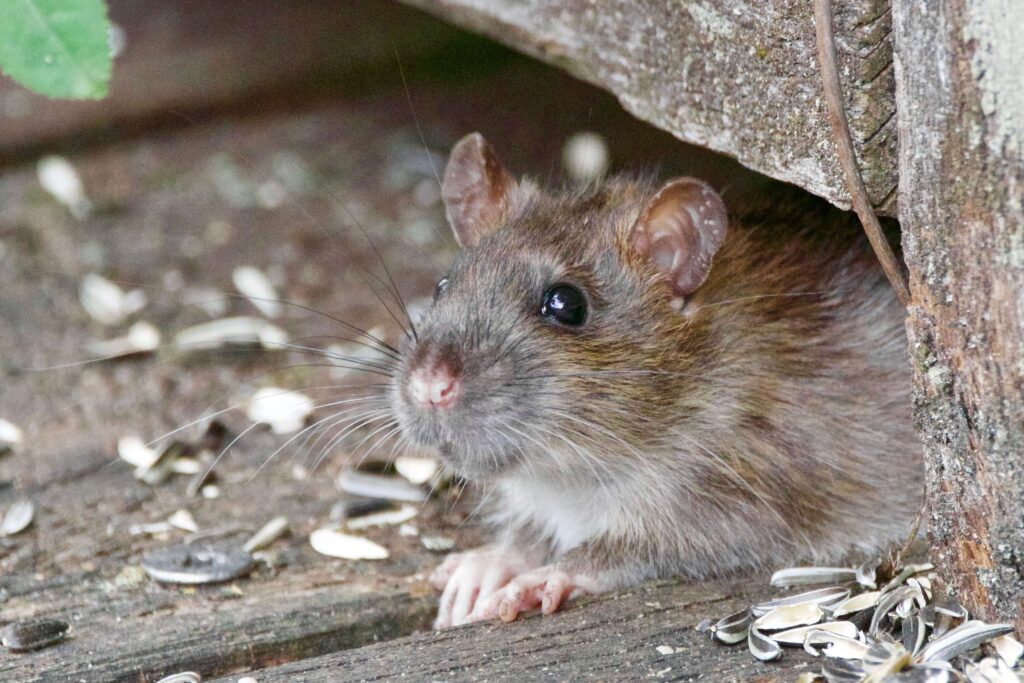
Rodent droppings are one of the clearest signs of an infestation. These small, pellet-shaped droppings can be found near food sources, nesting sites, or along pathways where rodents frequently travel. The size, shape, and color of the droppings can help determine the type of rodent present. For example, mouse droppings are typically small and dark, while rat droppings are larger and can be more elongated. Finding droppings in your home can be alarming, as they pose health risks, including the potential transmission of diseases.
Gnaw Marks
Look for gnaw marks on various surfaces, including wood, plastic, or even cardboard. Rodents need to gnaw constantly to keep their teeth from growing too long, so these marks can indicate where they have been active. The depth and pattern of the gnaw marks can also provide clues about the rodent species. For instance, mice tend to leave lighter scratch marks, while larger rodents like rats leave more pronounced damage. Recognizing these marks can help pinpoint areas that need attention or intervention.
Sounds
Listen for unusual noises coming from inside walls or ceilings, especially during the evening or nighttime when rodents are most active. Scratching, scurrying, or squeaking sounds can indicate that rodents are moving around or nesting in your home. These sounds often arise from behind walls, in attics, or under floors, making it crucial to pay attention to when and where you hear them. If you suspect rodent activity based on sounds, it may be time to conduct a thorough inspection or contact a pest control professional.
By being aware of these signs, you can quickly assess whether you have a rodent problem and take the necessary steps to address it before it escalates.
Preventive Measures for Rodent Control
1. Maintain Cleanliness
Keeping your home clean is crucial for preventing rodent infestations. Store food in airtight containers, clean up crumbs and spills promptly, and dispose of garbage regularly. This reduces food sources that attract rodents.
2. Seal Entry Points
Inspect your home’s exterior for gaps, cracks, and openings that rodents could use to enter. Seal these entry points with durable materials like steel wool and caulk. This creates a barrier that makes it harder for rodents to get in.
3. Proper Food Storage
In addition to cleaning, make sure all pantry items are stored securely. By keeping food sealed and stored properly, you minimize the chances of attracting rodents into your home.
4. Yard Maintenance
A well-kept yard helps deter rodents. Trim bushes and trees, and keep firewood stacked away from your home. By removing potential nesting sites, you can discourage rodents from coming near your property.

The Health and Safety Aspect of Rodent Control
The health and safety aspects of rodent control are paramount, particularly in densely populated areas like New Jersey. At Kritter Catchers, we understand the critical nature of this issue and address it with the utmost seriousness and professionalism.
Disease Prevention: Rodents are known carriers of numerous diseases that can be transmitted to humans. These include Hantavirus, Salmonella, and Leptospirosis, which can have severe health implications. Effective rodent control is crucial in mitigating these health risks. By reducing rodent populations and preventing their entry into homes, we significantly lower the chances of disease transmission.
Allergen Reduction: Rodents can also exacerbate allergies and asthma. Their dander, droppings, and urine contain allergens that can trigger allergic reactions and worsen respiratory conditions. Effective rodent control helps improve indoor air quality and creates a healthier living environment for those with respiratory sensitivities.
Safety from Physical Harm: Rodents, particularly when cornered or threatened, can become aggressive. This poses a risk of bites or scratches, which can lead to infections. Professional rodent control services like Kritter Catchers ensure that the risk of such physical harm is minimized by safely and humanely dealing with these pests.
Preventing Contamination: Rodents are notorious for contaminating food sources and surfaces. This contamination can lead to foodborne illnesses. Our rodent control strategies ensure that your food storage and preparation areas are safe and free from rodent intrusion, maintaining the hygiene and safety of your kitchen and dining areas.
Mental Well-Being: The presence of rodents can cause significant stress and anxiety for many people. Ensuring your home is free from rodents contributes positively to mental well-being and peace of mind, knowing that your living environment is safe and secure.
Child and Pet Safety: For homes with children and pets, the importance of safe rodent control cannot be overstated. Our methods are designed to be safe around children and pets, avoiding the use of harmful chemicals or traps that could pose a risk to them.
Eco-Friendly Practices: In line with our commitment to health and safety, we employ eco-friendly practices in our rodent control services. This not only ensures the safety of our clients but also protects the environment, maintaining the ecological balance and avoiding harm to non-target species.
Professional Rodent Removal & Control Services in New Jersey
Expert Rodent Inspection By Kritter Catchers
If you suspect a rodent problem, it’s wise to seek professional help. At Kritter Catchers, our trained technicians will thoroughly inspect your home to identify rodent entry points and nesting areas. This allows us to create a customized treatment plan that addresses your specific needs. For expert wildlife removal in Belleville, NJ, contact us today to help you keep your home safe and rodent-free.
Humane Rodent Trapping and Removal
We prioritize humane methods in our rodent control practices. Our live traps capture rodents without harm, and we relocate them to a safe distance from your home to prevent their return.
Integrated Pest Management (IPM)
Our approach includes an Integrated Pest Management (IPM) strategy that combines several techniques for long-lasting results. This includes sealing entry points, maintaining cleanliness, and ongoing monitoring to keep rodents at bay. For comprehensive Belleville wildlife control, we ensure that your home remains protected from future infestations with effective, long-term solutions.
In Conclusion
At Kritter Catchers, we are committed to helping you keep your New Jersey home rodent-free. With our expert inspections, prevention strategies, and humane removal methods, you can protect your family’s health and safety. Don’t let rodents disrupt your life. Contact us today to schedule a consultation and take the first step towards a pest-free home.
FAQs
What attracts rodents to my home?
Rodents are primarily attracted to food sources, shelter, and warmth. Common food sources include crumbs, pet food, and garbage, while cluttered areas, attics, and basements provide ideal nesting sites.
How can I prevent rodents from entering my home?
To prevent rodents from entering, ensure that all potential entry points are sealed, including cracks and gaps around doors, windows, and the foundation. Additionally, maintaining a clean environment by storing food in airtight containers and promptly disposing of trash can significantly reduce the likelihood of attracting these pests.
Are rodent droppings dangerous?
Yes, rodent droppings can be dangerous as they may carry diseases and pose health risks to humans. Inhaling dust containing droppings can lead to respiratory issues, and direct contact with droppings can result in infections, so it’s crucial to handle them with care and cleanliness.
What should I do if I see signs of a rodent infestation?
If you see signs of a rodent infestation, such as droppings or gnaw marks, it’s important to act quickly. Begin by cleaning the area thoroughly to eliminate food sources, and consider contacting a pest control professional for a thorough inspection and effective treatment options.
Is it better to use traps or poison for rodent control?
Using traps is generally considered a more humane and safer option compared to poison, especially in households with pets or children. Traps allow for the capture of rodents without harming them, while poison can pose significant risks to non-target animals and create potential health hazards in your home.
Ready to reclaim your home? Call us now for a comprehensive rodent inspection and effective pest control solutions!
Other related blogs:
Welcoming 2024: Your Guide to Rodent Control in NJ